Top Ways to Boost Your Skin Health Naturally
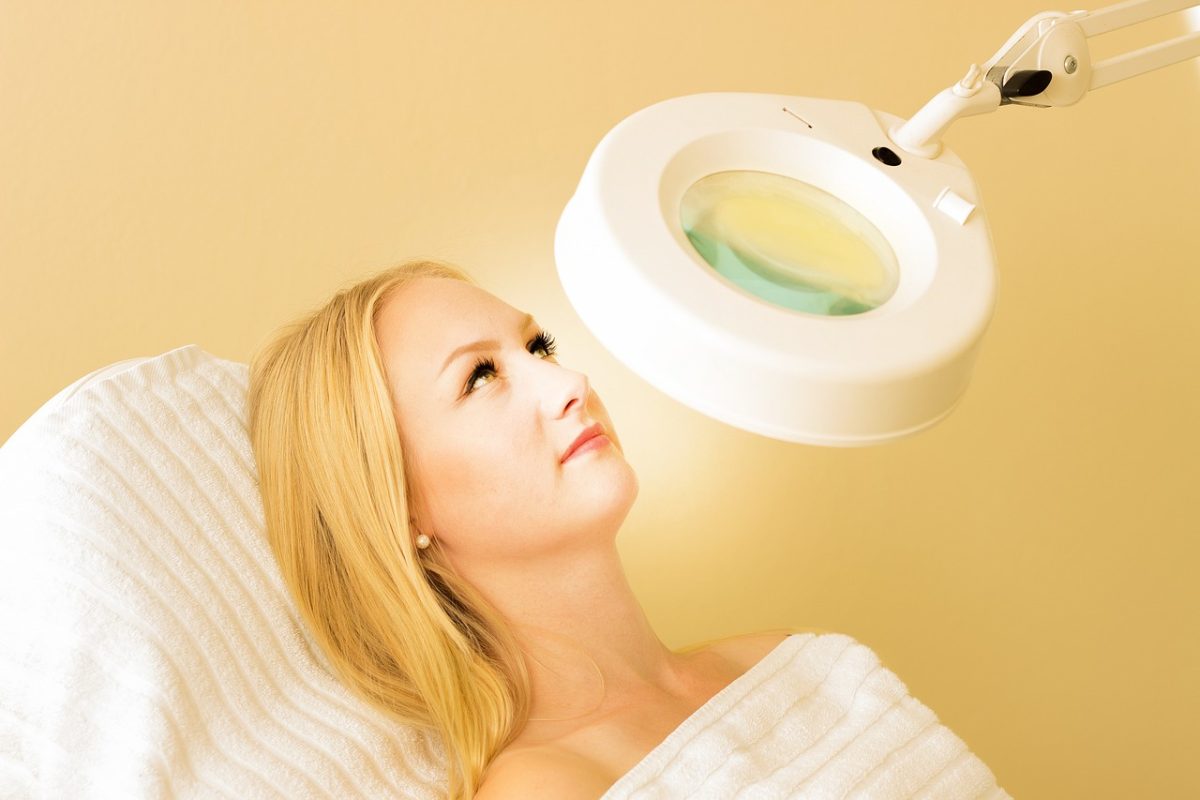
Skin health issues are a growing concern for many people worldwide, impacting their confidence and overall well-being. Conditions like acne, eczema, psoriasis, and premature aging affect individuals of all ages, often causing physical discomfort and emotional stress. Environmental factors, such as pollution and UV exposure, further exacerbate these problems, while unhealthy lifestyles, including poor diets, smoking, and lack of hydration, contribute to worsening skin conditions. Stress, inadequate sleep, and limited access to skincare knowledge or resources add to the struggle. For many, managing skin health becomes a constant battle as they navigate ineffective treatments, expensive products, and persistent symptoms. The rising prevalence of these issues highlights the importance of preventive care and accessible solutions to improve skin health for everyone.
Eat a Balanced and Nutritious Diet
One of the studies from ScienceDirect highlights the critical role of diet and nutrition in maintaining healthy skin. The skin protects against environmental harm and supports essential physiological processes like vitamin D synthesis and immune function. Aging, diseases, and environmental factors can impair skin health, but diet plays a key role in prevention and repair. Harmful habits, such as consuming refined sugar, high-fat foods, and low water intake, negatively impact skin health. In contrast, a diet rich in antioxidants, polyphenols, probiotics, and phytoestrogens, combined with adequate hydration, promotes healthier skin and prevents aging. Adopting these dietary habits can enhance skin’s overall function.
In addition to a skin-friendly diet, supplements like Ketofuse can provide targeted nutritional support. Formulated to aid metabolism and energy levels, Ketofuse contains key nutrients that may help reduce inflammation and support skin health while maintaining a ketogenic lifestyle.
Stay Physically Active
A review from JMIR Dermatology highlights the positive impact of regular exercise on skin health. Physical activity improves blood flow to the skin, elevates its temperature, and enhances moisture levels, contributing to a healthier and more rejuvenated appearance. Exercise also promotes mitochondrial biosynthesis and influences hormone secretion, which helps mitigate age-related skin changes. However, the study notes that exercise environments, such as chlorinated pools, may negatively affect the skin barrier. Overall, the research emphasizes the importance of staying physically active to maintain skin health, while considering the type and environment of exercise for optimal benefits.
Get Quality Sleep
An analysis, published in the Education Journal of the British Association of Dermatologists, highlights the critical role of quality sleep in maintaining skin health. Researchers examined 60 women, dividing them into good sleepers (7-9 hours per night) and poor sleepers (5 hours or less). Good sleepers showed lower signs of skin aging, faster recovery from skin barrier damage, and improved healing from UV exposure. They also reported higher satisfaction with their appearance. Poor sleepers experienced higher water loss through the skin and delayed recovery from damage. The study confirms that adequate sleep promotes youthful, resilient skin and boosts self-confidence in appearance.
Stay Hydrated
An Investigation published in Clinical, Cosmetic and Investigational Dermatology explored how daily water intake affects skin health. Researchers examined 49 healthy women, divided into two groups based on water consumption: those drinking less than 3,200 mL per day and those drinking more. Participants with lower water intake added 2 liters of water daily for one month. Results showed significant improvements in skin hydration at both superficial and deeper levels, along with better biomechanical properties like elasticity. The most noticeable benefits were observed in individuals with lower initial water consumption. This study confirms that staying well-hydrated positively impacts skin health and function.
Limit Alcohol and Avoid Smoking
Research from the Journal of Clinical and Aesthetic Dermatology explores how smoking and alcohol consumption impact skin aging. Data from over 3,200 women aged 18 to 75 showed that smoking significantly worsens facial aging, causing forehead lines, crow’s feet, under-eye puffiness, and reduced lip fullness. Similarly, heavy alcohol consumption (8+ drinks per week) was linked to upper facial lines, midface volume loss, and visible blood vessels. Smoking and alcohol both accelerate skin aging, but their effects vary. The findings emphasize the importance of limiting smoking and alcohol to maintain healthier skin and reduce visible signs of aging.
Manage Stress Effectively
An experimentation published in Dermatology Practical and Conceptual highlights how stress negatively impacts skin health through complex physiological responses. Stress activates the endocrine, neurological, and immune systems, triggering cortisol and neuropeptides that can worsen skin inflammation, itching, and impair skin barrier function and wound healing. Mind-body therapies, such as meditation, biofeedback, and guided imagery, aim to reduce these harmful effects by promoting relaxation and positive physiological changes. These approaches have shown benefits in managing skin conditions like psoriasis, atopic dermatitis, and trichotillomania. With minimal risks and potential improvements in symptoms and psychosocial outcomes, such therapies may serve as effective adjunct treatments.
Take Preventive Health Measures
A probe, published in Healthcare, highlights the importance of preventive measures in reducing the risk of skin cancer. Researchers found that sunscreen use was strongly associated with a lower prevalence of skin cancer. However, other measures like wearing long-sleeved shirts and staying in the shade were not significantly linked to reduced cancer rates. The study also noted disparities in sun protection habits, with men and individuals of color being less likely to use sunscreen. These findings underscore the need for targeted education to encourage effective sun protection practices.
Conclusion
In conclusion, maintaining healthy skin requires a comprehensive approach that integrates proper lifestyle habits. A balanced diet rich in antioxidants and hydration, coupled with regular physical activity, is essential for promoting skin health and preventing premature aging. Quality sleep plays a vital role in skin recovery and resilience, while staying hydrated ensures optimal skin function. Limiting alcohol consumption and avoiding smoking are crucial for preventing the acceleration of skin aging. Managing stress through relaxation techniques further enhances skin health by reducing inflammation and promoting healing. Finally, adopting preventive measures, such as sunscreen use, can significantly reduce the risk of skin cancer. By integrating these habits, individuals can achieve and maintain healthier, more youthful skin.