How To Find Student Accommodation On A Budget
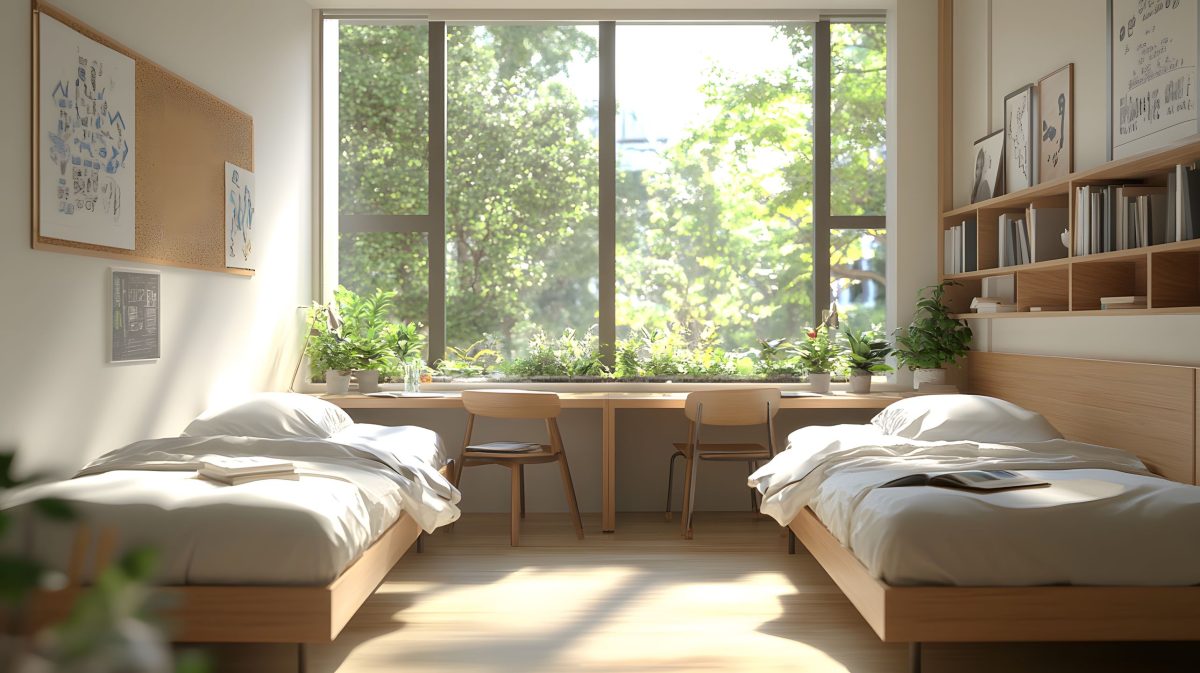
Finding affordable student accommodation can be challenging, especially with rising rental costs and limited availability in popular college towns. If you’re looking to manage your expenses while securing a comfortable and convenient living space, careful planning and smart decision-making are essential. Various factors, such as location, amenities, and lease agreements, should be considered when searching for budget-friendly housing options.
Read on to learn how to find student accommodation on a budget.
Start Your Search Early
One of the best ways to secure affordable student accommodation is to start looking well in advance. As demand increases closer to the start of the academic year, rental prices may rise, and availability may become limited. Researching early allows you to compare different options, negotiate better deals, and avoid settling for overpriced or inconvenient housing.
On the other hand, if you’re studying in Rexburg or similar locations, exploring options like BYU-Idaho student housing can be an excellent idea as they can provide a cost-effective and convenient living arrangement. Many student-focused housing facilities offer competitive rates, shared accommodations, and essential amenities tailored to student needs.
By taking advantage of such options, you can significantly reduce expenses while ensuring a conducive living environment.
Leeds has become one of the UK’s most popular university cities, and Scape’s all-inclusive student housing in Leeds gives you access to a rooftop terrace, cinema room and study pods right in the centre.
Explore Different Housing Options
There are several types of student housing available, each with varying costs and benefits. Some housing options to consider include:
University Dormitories
University dormitories can provide on-campus housing that’s often the most convenient option for students. They offer easy access to academic buildings, campus facilities, and student communities. However, costs can vary significantly based on the institution and location. While some dorms include meal plans and utilities, others may be priced higher than off-campus alternatives, limiting affordability.
Shared Apartments
Renting a shared apartment allows students to split housing costs, making it a budget-friendly choice. This option can provide greater independence, space, and flexibility in choosing roommates. While utilities and household responsibilities are shared, you must coordinate expenses and maintenance. Furthermore, off-campus apartments may require commuting, but they typically offer more privacy and a wider range of amenities.
Private Rentals
Private rentals offer students the flexibility to choose their own living arrangements. Some landlords can provide student-friendly lease terms, including discounted rates for long-term commitments or minor property upkeep. While this option allows for complete independence, it requires managing rent, utilities, and maintenance responsibilities. Location, lease agreements, and affordability should also be carefully considered before committing to a private rental.
Homestays
Homestays can provide an affordable housing option where students live with a host family. This arrangement typically includes meals, utilities, and a supportive home environment, making it ideal for international students adjusting to a new culture. While homestays may have house rules and limited personal space, they offer a comfortable, family-oriented experience with reduced living costs and added security.
Consider Off-Campus Housing
While on-campus housing offers convenience, off-campus rentals can be significantly more affordable. Properties located slightly farther from campus often have lower rental rates, making them a cost-effective choice. By utilizing public transportation, biking, or carpooling, you can manage commuting costs while maintaining accessibility.
Lastly, off-campus housing can provide more flexibility in lease terms, amenities, and living arrangements to suit different needs.
Utilize Student Housing Platforms
Student-focused housing platforms can help simplify the search for budget-friendly accommodations. Reliable websites and university housing portals can provide listings tailored to student needs, often with lower rental rates and flexible lease options. These platforms can frequently update listings, offering a range of choices from shared apartments to private rentals.
By regularly checking these resources, you can improve the chances of finding an affordable and suitable living space.
Look for Subletting Opportunities
Many students studying abroad or completing internships seek temporary tenants to take over their leases. Subletting can be a great way to secure short-term, budget-friendly housing without committing to a full lease. It’s also essential to check campus bulletin boards, university housing offices, student Facebook groups, and online rental forums to identify sublet opportunities. These arrangements typically come furnished, saving additional costs on furniture and moving expenses.
Negotiate Rent and Lease Terms
Landlords may be flexible with rent and lease terms, particularly when renting to responsible students. By negotiating a lower monthly rent, requesting reduced security deposits, or agreeing to a longer lease, you can ensure cost savings. It’s also beneficial to ask about utility coverage, potential rent-free periods, or discounts for early payments. Building a good relationship with the landlord can increase negotiation success.
Choose Furnished or Partially Furnished Units
Selecting a furnished or semi-furnished apartment can significantly reduce upfront costs associated with purchasing furniture and household essentials. Many student accommodations include basic furnishings such as a bed, desk, and kitchen appliances, making the move-in process easier and more affordable. By checking rental listings carefully for included amenities, you can avoid additional expenses while ensuring a comfortable living arrangement.
Cut Costs with Roommates
Sharing a living space with roommates can be an effective way to lower monthly expenses. Splitting rent, utilities, and grocery costs can lead to substantial savings. Additionally, living with others can provide social benefits by creating a supportive environment for studying and daily living.
Lastly, you can find reliable and compatible housemates by using university housing boards, student networking groups, or roommate-matching websites.
Take Advantage of Student Discounts and Assistance Programs

Many landlords and housing companies offer discounts specifically for students. Universities can provide financial aid options, including grants, scholarships, or emergency housing assistance for those struggling with accommodation costs. By checking with the student services office, local government programs, and nonprofit organizations, you can also uncover additional financial support, reducing the burden of rent and utility expenses.
Be Cautious of Rental Scams
Finding affordable housing requires vigilance to avoid rental scams. Listings that seem too good to be true often are. Students should never send money before verifying a property’s legitimacy. Always visit rentals in person, request a formal lease agreement, and research the landlord’s reputation. Utilizing official university housing portals or reputable real estate websites can help ensure a secure and trustworthy rental experience.
Final Thoughts
Finding affordable student accommodation requires planning, research, and strategic decision-making. By keeping the information mentioned above in mind, you can secure budget-friendly housing without compromising comfort and convenience. Whether considering on-campus dormitories, private rentals, or shared apartments, making informed choices can lead to substantial savings while ensuring a positive living experience throughout the academic journey.