The Timeless Allure of Cats in Art: Why Painters Adored Them
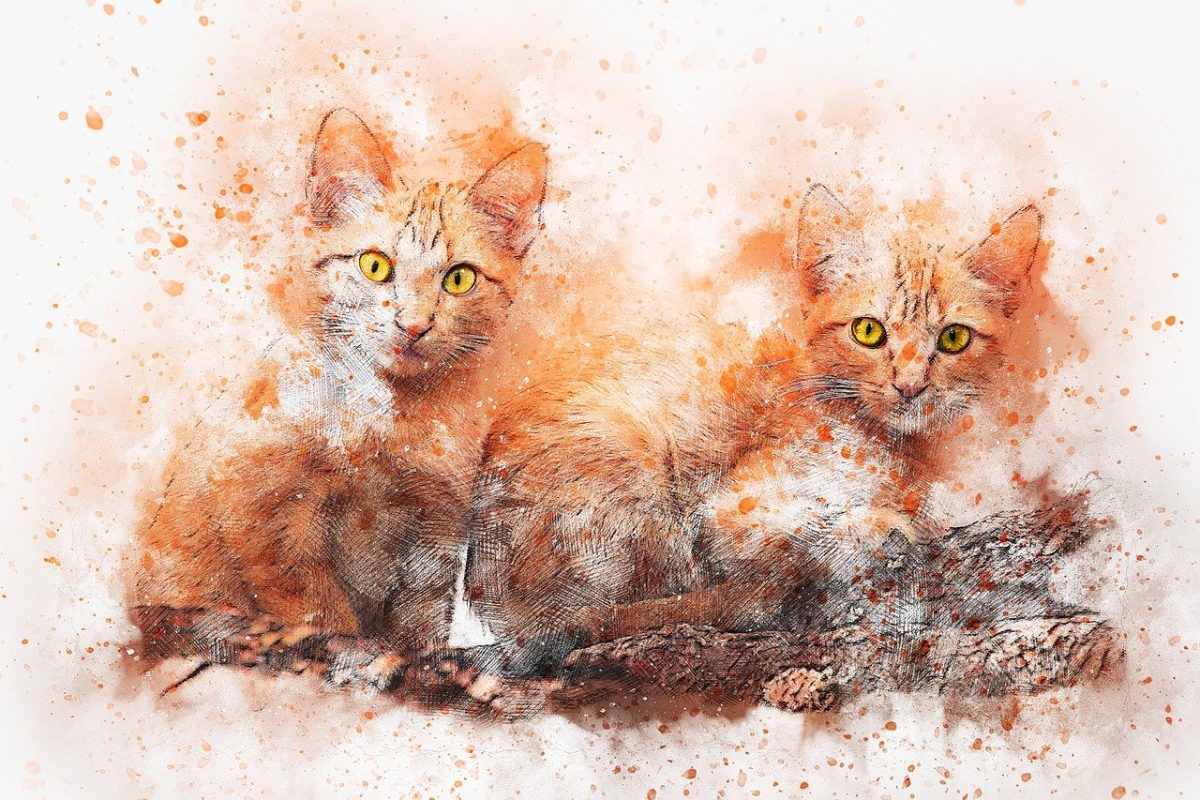
From ancient civilizations to modern masterpieces, cats have captivated artists for centuries. Their enigmatic nature, graceful elegance, and complex symbolism have made them a beloved subject in painting, sculpture, and printmaking. Whether depicted as regal companions, symbols of mystery, or playful muses, felines have consistently held a special place in the world of art.
The Historical Significance of Cats in Art
The fascination with cats in art dates back thousands of years. In ancient Egypt, felines were revered as sacred beings, often appearing in tomb paintings and sculptures as symbols of protection and divine favor. The Gayer-Anderson Cat, a striking bronze statue, is a testament to the high status these animals held in Egyptian culture.
In medieval Europe, however, cats were often linked to superstition and witchcraft. Some religious artworks painted them in ominous settings, reflecting societal fears. Despite this, their mysterious and independent nature made them compelling artistic subjects.
Cats as Symbols in Renaissance and Baroque Art
During the Renaissance, painters infused their works with deep symbolism, frequently incorporating animals to convey hidden meanings. Cats, in particular, were used to represent various themes, including:
- Sensuality and Femininity – Often appearing alongside reclining women, cats symbolized passion and intimacy.
- Mystery and Independence – Their unpredictable nature made them an artistic metaphor for freedom and unpredictability.
- Domestic Comfort – Many Renaissance paintings showcased cats as cherished household companions, reinforcing their growing presence in homes.
Artists like Leonardo da Vinci and Titian painted felines in their works, reflecting their personal fascination with these animals. One of the most well-known paintings from this era, Madonna della Gatta by Federico Barocci, features a cat as a symbol of maternal warmth.
Feline Companions in 18th and 19th-Century Art
As pet ownership became more widespread, artists began portraying cats as affectionate companions rather than symbolic figures. The 18th and 19th centuries saw an increase in genre paintings featuring domestic cats. Jean-Baptiste-Siméon Chardin, for example, painted cats in everyday household settings, highlighting their playful and mischievous personalities.
Impressionist and Post-Impressionist painters such as Pierre-Auguste Renoir and Henriette Ronner-Knip depicted soft, elegant feline forms, capturing their warmth and charm. Théophile Steinlen, a renowned artist of the late 19th century, popularized cat imagery with his famous Le Chat Noir poster, which remains an iconic representation of Parisian café culture.
The Modern Era: Cats in Contemporary Art
The 20th and 21st centuries have continued this long tradition of cat-inspired art. Pablo Picasso, for example, included feline figures in his Cubist compositions, while Andy Warhol’s pop art featured colorful, stylized cats. Today, artists around the world still depict cats in various forms, from hyperrealistic oil paintings to abstract digital pieces.
For those who appreciate feline artistry, there are many ways to bring these stunning works into modern homes. Art enthusiasts can explore oil painting reproductions of cats to own beautiful and timeless renditions of classic cat paintings.
Why Do Artists Love Painting Cats?
There are several reasons why painters have adored depicting cats throughout history:
- Expressive Personalities – Cats display a wide range of emotions and postures, making them captivating subjects.
- Graceful Movements – Their fluid and elegant motions allow artists to experiment with light, shadow, and form.
- Symbolic Depth – Throughout history, cats have represented mystery, independence, sensuality, and companionship.
- Personal Connections – Many artists have been devoted cat lovers, immortalizing their own pets on canvas.
The Rise of Cat Art Collectors and Enthusiasts
In recent years, the fascination with feline-themed artwork has led to an increased demand for cat paintings among collectors and enthusiasts. Many online art galleries and auctions now feature stunning oil painting reproductions of cats, allowing admirers to own beautifully crafted pieces that celebrate their love for these creatures. Whether displayed in museums, private collections, or home decor, cat paintings continue to enchant viewers, proving their timeless artistic appeal.
Cats in Digital and AI-Generated Art
As the world of art continues to evolve, so does the representation of cats in creative works. With advancements in technology, digital artists and AI-generated artwork have begun offering new ways to depict these beloved animals. AI-generated cat paintings use algorithms to mimic classic art styles, allowing for endless reinterpretations of historical feline imagery. Social media platforms have also fueled the popularity of digital cat art, with artists using platforms like Instagram and TikTok to showcase their feline-inspired works. This modern approach demonstrates how cats remain an ever-relevant subject, seamlessly transitioning from traditional canvases to the digital frontier.
Conclusion
From sacred Egyptian depictions to modern artistic expressions, cats have remained a powerful presence in art history. Their charm, elegance, and expressive nature continue to inspire artists across generations. Whether as a symbol of mystery, companionship, or beauty, the timeless allure of cats in art is undeniable.