The Importance of Food Safety and Hygiene in Catering: Best Practices for a Healthy Kitchen
There are many different components of a catering business. An aspect that most people only think about is the actual food, but food safety and hygiene is something that must be thought about as well.
Food safety and hygiene are crucial aspects of any catering business. Proper handling, preparation, and storage of food ensure not only the health and safety of consumers but also the reputation and success of the catering service.

Photo by Obi – @pixel9propics on Unsplash
Why Food Safety and Hygiene Matter
Preventing Foodborne Illnesses
Foodborne illnesses can result from consuming contaminated food, leading to symptoms like nausea, vomiting, diarrhea, and even severe health complications. Ensuring food safety and hygiene minimizes the risk of contamination and keeps consumers safe.
Legal Compliance
Catering businesses must adhere to strict food safety regulations. Failure to comply can result in legal penalties, fines, or even closure of the business. Maintaining high standards of food safety helps caterers stay compliant with local health department regulations.
Building Trust with Customers
A catering service known for its commitment to food safety and hygiene builds trust with its customers. Clients are more likely to return and recommend the service to others if they have confidence in the safety and quality of the food provided.
Preserving Food Quality
Proper food handling and storage techniques ensure that food retains its nutritional value, flavor, and texture. This not only enhances the dining experience but also reduces food waste.
Best Practices for Food Safety and Hygiene in Catering
Personal Hygiene
It might seem obvious, but you’d be surprised at how many people tend to neglect handwashing. Wash hands thoroughly with soap and water before handling food, after using the restroom, and after touching raw meat, poultry, or seafood.
Additionally, when catering, wear clean uniforms, aprons, and hairnets. Avoid wearing jewelry and keep nails short and clean. Also, ensure that staff members are healthy and free from any illnesses or infections that could contaminate food.
Safe Food Handling
Food safety is truly a science. Keep hot foods hot (above 140°F/60°C) and cold foods cold (below 40°F/4°C). This prevents bacteria from growing. Also, use food thermometers to monitor temperatures.
To avoid cross contamination, use separate cutting boards, utensils, and equipment for raw and cooked foods. When not in use, store raw meat, poultry, and seafood below ready-to-eat foods in the refrigerator. If frozen foods need to be thawed, put them in the refrigerator, under cold running water, or in the microwave. Never thaw food at room temperature.
Cleaning and Sanitizing
Regular cleaning in catering prep or at events is an important step in preventing potential illnesses. Clean and sanitize all surfaces, equipment, and utensils before and after use. Be sure to pay special attention to high-touch areas like countertops, handles, and faucets.
When washing dishes, use a three-compartment sink or a commercial dishwasher to wash, rinse, and sanitize dishes and utensils. Ensure that water is hot enough to effectively kill germs. Furthermore, implement pest control measures to prevent infestations. Keep food storage areas clean and well-sealed, and dispose of waste promptly and properly.
Safe Food Storage
Clearly label and date all food items. Use the First In, First Out (FIFO) method to ensure older items are used before newer ones. Store food in airtight containers to prevent contamination. Keep dry goods in a cool, dry place, and store perishable items in the refrigerator or freezer. Then, conduct regular inspections of food storage areas to check for signs of spoilage, pests, or contamination.
Staff Training
Provide regular training on food safety and hygiene practices. Keep staff updated on any changes in regulations or best practices. Also, encourage staff to obtain food safety certifications, such as ServSafe, to ensure they have a thorough understanding of food safety principles.
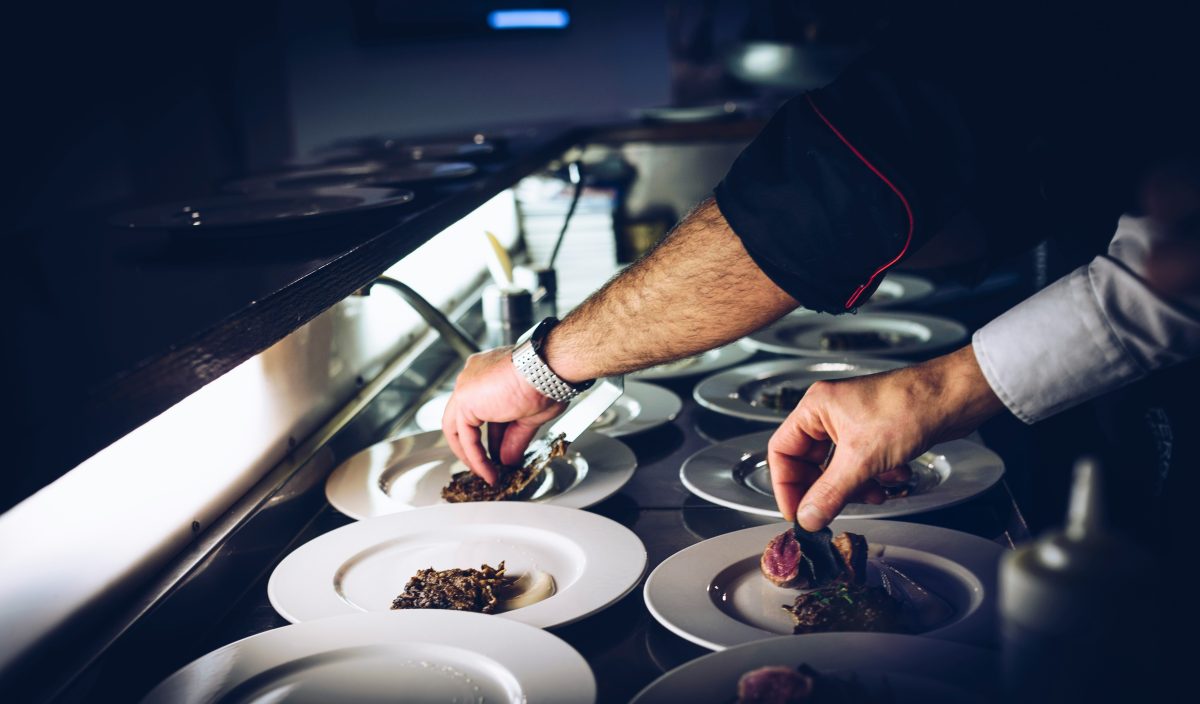
Photo by Fabrizio Magoni on Unsplash
Final Thoughts
Maintaining high standards of food safety and hygiene in catering is essential for protecting consumers, complying with regulations, and building a trustworthy business.
By implementing best practices in personal hygiene, food handling, cleaning, storage, and staff training, catering businesses can create a safe and healthy environment for food preparation and service. Prioritizing food safety not only safeguards public health but also enhances the overall dining experience, leading to satisfied customers and a successful catering operation.