Turbocharged Journeys: Diesel Innovations That Drive Everyday Adventure
Getting in Gear: Setting the Scene
Ever watched a truck pull a heavy load uphill with surprising ease? Or noticed how some vehicles seem to have that extra “oomph” when you press the gas pedal? That’s the magic of modern engine technology at work—particularly in the world of diesel power.
You don’t need to be a mechanic or car enthusiast to appreciate what happens under the hood. Understanding a few basics about engine enhancements can help you appreciate your daily drive in a whole new way. Whether you’re commuting to work or taking a cross-country road trip, the technology that powers your journey matters.
In this article, we’ll look at how certain engine parts make your ride smoother, more powerful, and more efficient. We’ll focus on turbochargers—those amazing devices that help engines breathe better and work harder without using extra fuel.
So buckle up! This ride through the world of diesel technology is for everyone—from curious minds to daily drivers who simply want to know more about what makes their vehicles tick.
What Exactly Is a Turbocharger?
Think of a turbocharger as a special fan that helps your engine breathe better. You can run faster or lift more weight when you breathe harder during exercise. The same idea applies to engines!
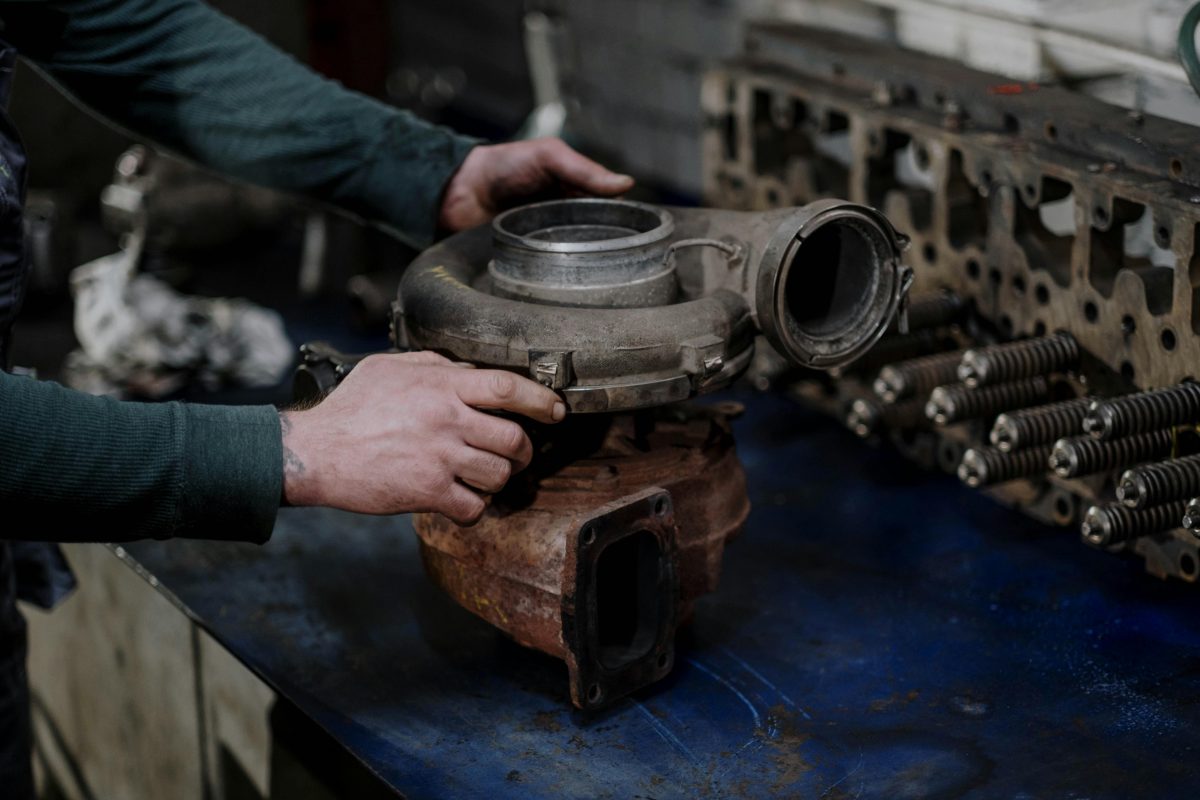
A turbocharger takes exhaust gases (the “breath” the engine exhales) and uses their energy to spin a turbine. This turbine powers a compressor that pushes more fresh air into the engine. More air means more oxygen for burning fuel, which creates more power from each drop of fuel.
Did you know? Turbochargers were first used in aircraft engines during World War I to help planes fly higher where the air is thinner. Today, they’re in millions of vehicles worldwide, making them more powerful and efficient than they would be without this helpful “lung assistant.”
Diesel Magic: Powerful Engines for Everyday Living
Diesel engines have come a long way from the noisy, smoky machines of yesterday. Today’s diesel engines are quiet, clean, and surprisingly peppy—perfect for everything from family SUVs to hardworking pickup trucks.
Why choose diesel? First, these engines typically use 20-30% less fuel than gasoline engines. They also last longer—many diesel engines run for hundreds of thousands of miles with proper care. The torque (pulling power) of a diesel engine makes towing and hauling easier, too.
Modern diesel technology has made huge leaps forward in recent years. Many modern systems, like the 3406e turbo, demonstrate how innovative engineering can make everyday driving both fun and efficient. These systems help engines respond better when you need power, while using less fuel during normal driving.
The best part? You don’t need to be a race car driver to enjoy these benefits. Whether you’re merging onto the highway or climbing a steep hill with a trailer, these improvements make driving safer and more enjoyable for everyone.
The Nuts and Bolts: How Turbochargers Work
Let’s break down how a turbocharger works in simple steps:
- The engine burns fuel and creates hot exhaust gases
- These gases flow through one side of the turbocharger (the turbine)
- The turbine spins—sometimes at more than 150,000 RPM!
- The spinning turbine turns a shaft connected to a compressor wheel
- The compressor wheel pulls in fresh air and squeezes it
- This compressed air goes into the engine cylinders
- More air means more oxygen for a better fuel burn
- Result: More power and better efficiency
It’s like blowing on a campfire to make it burn brighter. When you blow on smoldering wood, the extra oxygen helps the fire grow stronger. A turbocharger does the same thing for your engine’s “fire.”
A simple illustration might show exhaust gases flowing through a turbine wheel on one side, while fresh air gets compressed on the other side—with both sides connected by a central shaft.
Real Stories from the Road
Meet Sarah, a photographer who drives thousands of miles each month to capture landscapes across the country. “Before I switched to my turbocharged diesel SUV, I spent a fortune on fuel,” she says. “Now I can drive further on each tank, carry all my equipment easily, and still have plenty of power to reach remote locations on rough roads.”
Then there’s Miguel, who runs a small landscaping business. His turbocharged diesel truck pulls heavy equipment trailers all day. “The steady torque means I don’t have to push the engine hard,” he explains. “It just pulls smoothly, even up steep driveways with a full load. At the end of the month, I notice I’m spending less on fuel even though I’m getting more work done.”
These aren’t just stories about vehicles—they’re about how the right technology makes life easier. Whether you’re hauling kids and groceries or tools and materials, that extra efficiency and smooth power delivery makes a real difference every day.
Looking Ahead: The Future of Diesel Power
The story of diesel power and turbocharging is still being written. Engineers continue to find ways to make these systems even more efficient, cleaner, and more responsive to driver needs.
New materials make turbochargers lighter and more durable. Advanced electronic controls help them respond faster when you press the accelerator. And hybrid systems are beginning to pair electric motors with diesel engines for even better performance and efficiency.
What does this mean for your future drives? Expect vehicles that use less fuel while delivering more useful power exactly when you need it. Look forward to engines that start more quickly in cold weather and run more quietly at all speeds.
The diesel journey continues to evolve, bringing exciting improvements to everyday travel. Whether you’re driving across town or across the country, these innovations help make the ride smoother, cleaner, and more enjoyable with every mile.
Turbocharger Benefits at a Glance
| Benefit | How It Helps You |
| Increased Power | Better acceleration and hill-climbing ability |
| Better Fuel Economy | Fewer stops at the gas station, lower fuel bills |
| Reduced Emissions | Cleaner exhaust, better for the environment |
| Engine Longevity | Many turbocharged engines last longer due to better efficiency |
| Altitude Performance | Maintains power in mountains where naturally-aspirated engines struggle |
Simple Turbo Maintenance Tips
- Follow the manufacturer’s oil change schedule—turbochargers need clean oil
- Allow your engine to idle for 30 seconds before shutting off after hard driving
- Don’t push a cold engine hard—give it a minute to warm up
- Use the proper grade of fuel recommended for your vehicle
- Have cooling system maintenance done regularly—turbos generate heat
The next time you press the accelerator and feel that smooth surge of power, you’ll know there’s a small but mighty turbocharger working hard to make your journey better. It’s not just about speed—it’s about making every drive more efficient, more capable, and more enjoyable.