The Essential Differences Between Private Duty Nursing and Home Health Care
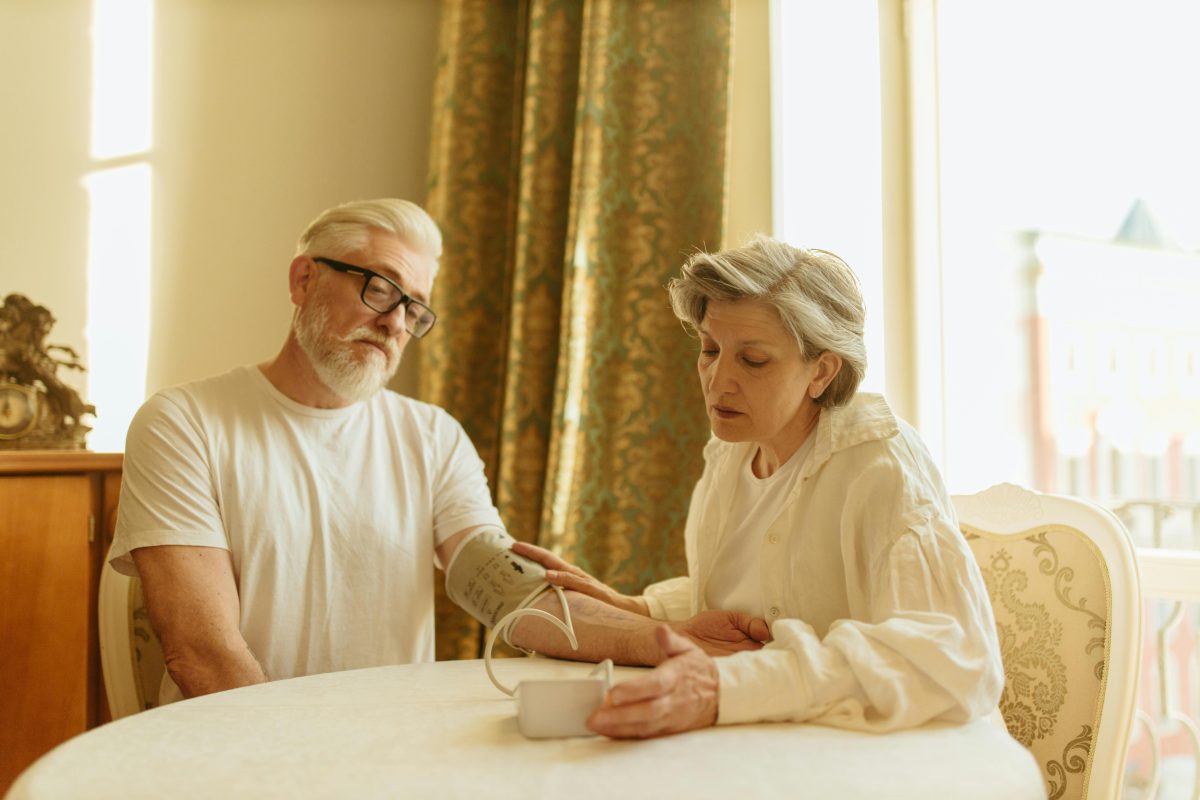
When a loved one needs medical care at home, understanding the difference between private duty nursing and home health care is essential. While both services provide in-home support, they differ in scope, duration, and the level of medical attention required. Private duty nursing offers long-term, continuous care for individuals with chronic conditions or complex medical needs, while home health care typically involves short-term, intermittent visits for patients recovering from illness, injury, or surgery.
Choosing the right service depends on factors such as medical complexity, insurance coverage, and personal preferences. In this article, we’ll explore six key differences between private duty nursing and home health care to help you make an informed decision. Let’s dive in.
Scope of Services Provided
Private duty nursing and home health care offer distinct levels of medical and personal assistance. Private duty nursing provides continuous care for individuals with chronic conditions, disabilities, or post-surgical needs. These nurses assist with tasks such as medication administration, ventilator management, and mobility support.
In contrast, home health care focuses on short-term medical services, such as wound care, physical therapy, and post-hospitalization recovery. The primary difference lies in the duration and depth of care provided. As seen at https://boosthomehealth.com/private-duty-nursing-vs-home-health-care-understanding-the-key-difference, private duty nursing offers more comprehensive, long-term support, while home health care is typically limited to physician-prescribed treatments. This distinction is important for families deciding on the right type of care for their loved ones
Payment and Insurance Coverage
Another key difference between private duty nursing and home health care is how they are funded and covered by insurance. Private duty nursing is typically paid for out-of-pocket or through long-term care insurance, Medicaid, or veterans’ benefits. Because private duty nurses provide extended care, insurance policies may not always cover the full costs, making it a more expensive option for families. Home health care, however, is often covered by Medicare, Medicaid, and private insurance, provided that the patient meets specific eligibility criteria.
Since home health care is considered a medical necessity for recovery or rehabilitation, insurance coverage is more likely to include these services. However, because home health care services are provided intermittently rather than continuously, patients requiring round-the-clock care may find private duty nursing to be a more suitable, albeit costlier, alternative. Understanding the financial implications of both services is crucial for families planning long-term care for their loved ones.
Duration and Frequency of Care
One of the most significant differences between private duty nursing and home health care is the duration and frequency of services provided. Private duty nursing is designed to offer extended or even 24/7 care based on the patient’s needs. These services can be arranged for a few hours per day, overnight shifts, or round-the-clock support. This level of continuous care is essential for patients with severe conditions such as ALS, spinal cord injuries, or advanced neurological disorders. In contrast, home health care operates on an intermittent schedule, with visits typically lasting 30 minutes to an hour, depending on the medical service provided.
A home health nurse, therapist, or aide may visit a patient’s home once or a few times a week as prescribed by a physician. Since home health care focuses on rehabilitation and recovery, the duration of service is generally limited to a few weeks or months, whereas private duty nursing can be a long-term or even lifelong arrangement for those with chronic medical needs.
Medical vs. Non-Medical Assistance
Private duty nursing and home health care also differ in terms of the type of assistance provided. Private duty nursing is more comprehensive, including both medical and non-medical support. Private duty nurses are highly trained professionals capable of administering complex medical treatments, monitoring vital signs, and responding to medical emergencies. Additionally, they assist with activities of daily living (ADLs) such as dressing, bathing, and meal preparation, making them a well-rounded care solution for individuals with extensive needs.
On the other hand, home health care primarily focuses on medical assistance and does not typically include personal caregiving services. Home health aides may help with basic tasks, but their primary function is to support medical recovery. This distinction is important for families deciding between the two services, as those who need a combination of medical and personal care might find private duty nursing to be a better fit.
Regulatory Requirements and Qualifications
The level of training and certification required for private duty nurses and home health care providers differs considerably. Private duty nurses are typically registered nurses (RNs) or licensed practical nurses (LPNs) who have advanced medical training and can provide skilled nursing care. Because they handle complex medical conditions, their qualifications must meet state licensing requirements.
Home health care providers may include RNs, LPNs, therapists, or certified nursing assistants (CNAs), but their role is more structured, with specific guidelines on what services they can provide. Home health care agencies must comply with strict Medicare and Medicaid regulations, ensuring that only medically necessary services are provided. Private duty nursing, however, operates with greater flexibility in terms of service offerings and care plans.
Patient Eligibility and Care Coordination
Eligibility criteria for private duty nursing and home health care services also set them apart. Home health care services require a physician’s order and must be deemed medically necessary for recovery. Patients typically need to be homebound, meaning they cannot leave their residence without significant effort or assistance.
In contrast, private duty nursing does not always require a doctor’s prescription, and eligibility is more flexible. Patients can arrange for private duty nursing based on their personal needs, regardless of their ability to leave home. Similarly, partnering with an ndis service provider sydney can offer flexible solutions that align with both medical requirements and personal preferences.
Care coordination differs between the two services. Home health care is often coordinated by an agency, with strict adherence to a doctor-approved care plan. Private duty nursing, however, allows for greater personalization, with care tailored to the patient’s preferences. This flexibility can be beneficial for families who want more control over their loved one’s care schedule and provider selection.
Understanding the differences between private duty nursing and home health care is crucial when deciding on the best care option for a loved one. Private duty nursing provides continuous, personalized medical and personal care, making it ideal for individuals with long-term or complex medical needs. In contrast, home health care is a more structured, short-term solution focusing on rehabilitation and recovery. Factors such as insurance coverage, service duration, and medical assistance levels should be carefully considered before making a choice. By evaluating these distinctions, families can select the most appropriate care service to ensure their loved ones receive the support and medical attention they need.