Important Things to Know About Audiology and Hearing Health
Most people don’t spend a lot of time thinking about audiology or hearing health. However, the chances are high that many of us will encounter this type of medical problem at some point.
Realizing that you are having trouble with your hearing health can be a disorienting experience. Not only is it a chronic health problem, but it also changes the way you interact with the world.
Staying informed and learning all you can about audiology can help you navigate this change in your body and feel more prepared. Here are some of the most important things to learn about audiology.
Hearing Problems Are Very Common

Most patients underestimate how many people struggle with their hearing health. An estimated 2.5 billion people will report some form of hearing problems or hearing loss by 2050.
There are many reasons why so many people suffer from hearing loss. Some hearing health problems are genetic, while others develop naturally as you age. Exposure to loud noises, such as workplace machinery or in-ear headphones, can also cause degeneration over time.
Maintaining Your Hearing Health is More Accessible Than Ever
Since so many people experience this health problem, maintaining your hearing health is easier than ever. Audiology, which is the branch of medicine dealing with hearing and balance, has made leaps and bounds in advances over the past few decades.
Besides medical advances, such as cochlear implants, there are also advances in access to audiology services. Medical providers offer ways to manage your hearing health easily, such as the opportunity to buy hearing aids online or book quick check-ups. That way, you can manage your health without disrupting your routine.
Not All Solutions Are For Everyone
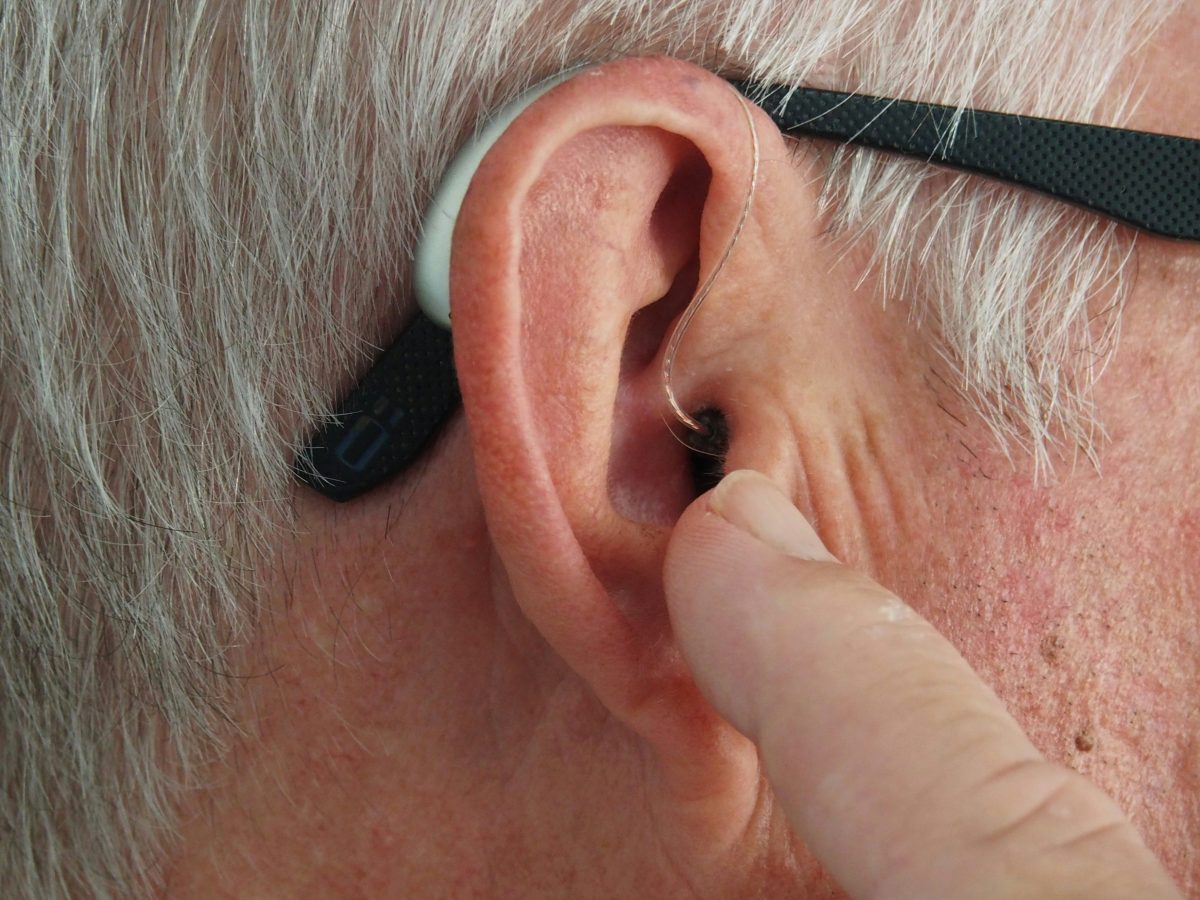
Advances in audiology mean that there are more and more options available to you if you are struggling with your hearing health. However, this means that patients are faced with a new problem—finding the right care.
Just take hearing aids as an example. There are many different types of hearing aids that differ in their placement, fit, and other factors. Some have additional features such as noise reduction or telecoils, which make the hearing aid compatible with a telephone.
Navigating these different options as well as different treatment plans can be overwhelming. Make sure to check in with an audiologist about what is the best option for you. If a treatment option is not working, speak up and your doctor can help you find a replacement.
Taking Care of Your Hearing Health
Navigating hearing loss is challenging, but advances in medical treatment mean that hearing problems can be slowed down or overcome with the right tools.
If you are worried about your hearing, you can take steps to prevent hearing loss such as wearing hearing protection at work and lowering the volume of your music.
The most important thing to remember is to talk to a doctor as soon as you notice problems with your hearing. An audiologist can test your hearing, identify potential causes, and advise you on treatment options such as hearing aids.