Summer Pest Control in Clinton: The Best Fly Traps to Keep Your Home Bug-Free

One question I get asked more than any other in my years of offering pest control services is: what can I do between treatments?
Although I would love to tell you that only a qualified expert can maintain a pest-free house, the reality is that there are a variety of actions and traps you can avoid between routine treatments that will be beneficial.
The fresh air, higher temperatures, and get-togethers with friends are all made possible by spring. But in Clinton, bugs have the power to ruin a peaceful moment. Although not all insects are bothersome, hornets, flies, wasps, and mosquitoes may rapidly ruin your outdoor experience.
Crossing paths with stinging or biting insects, such as hornets and wasps, can cause significant discomfort or injury, even if some bugs, like fruit flies and gnats, are only annoying. Therefore, you might need to take proactive measures to keep them away from your house.
There are several items available to assist you repel these pests, ranging from grass treatments and sprays to sticky traps and buzzing electrical devices.
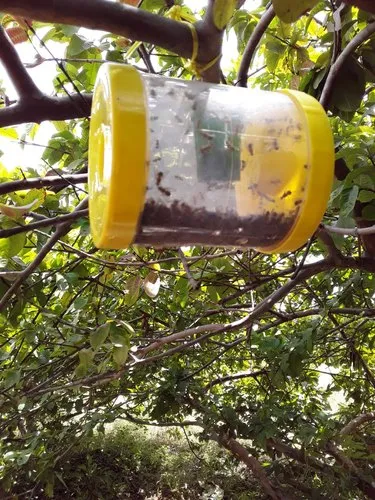
Why Fly Control Matters in Clinton Summers
The insects have arrived along with summer. This may have a significant impact on commercial buildings, restaurants, hotels, food trucks, food plants, the food industry, and both rural and urban assets.
House flies are found all throughout the world and are the most prevalent structural infesting fly in North America. Their frequent flying and buzzing is a big annoyance, but it’s not the only issue they have. In actuality, you will be less tolerant of their presence the more you understand about them. House flies love damp, decomposing organic materials such as dung, containers, grass clippings, and decomposed fruits and vegetables. They literally reproduce in filth. If that wasn’t awful enough, house flies may migrate fast from an egg-laying location contaminated with germs to the hamburger you’re about to consume.
These pests can reach adulthood in little over a week because of their rapid development, particularly in warm and humid environments. Even though adults only live for two to four weeks, two weeks of a fly buzzing around the kitchen might seem like forever. Remember that there might be 10 to 12 generations of flies a year, so don’t assume that they will disappear after a month! If it isn’t handled directly from the beginning, all of it builds up to a serious issue.
Top Fly Traps for Summer Pest Control
Thankfully, sticky fly traps provide a simple, safe, and environmentally friendly alternative. These traps provide your house or place of business with safe, chemical-free protection by catching flies, mosquitoes, gnats, and other pests.
How Do Sticky Fly Traps Work?
Fly infestations may rapidly make your house uninhabitable and jeopardize your health and cleanliness. A simple and secure approach is to use sticky fly traps. These traps efficiently control the problem by capturing flies and other flying pests using a strong adhesive. The best part is that they provide a chemical-free method of pest management and are totally safe for your house, family, and pets.
Electric Fly Zappers: High-Tech Solutions
Electric fly zappers of professional quality effectively control fruit flies, flies, and moths. High-voltage grids and UV light technology are combined in our line to provide dependable pest control in residential and business settings.

Key Features:
- Advanced UV light attraction system
- Easy-clean collection trays
- High-voltage elimination grid
- Indoor and outdoor options available
- Safety-focused protective design
Our zappers come in several sizes to fit any location, making them ideal for households, restaurants, warehouses, and industrial kitchens. Select from units that are wall-mounted, freestanding, or portable; all are made of sturdy materials for enduring use.
Baited Traps: Maximum Effectiveness
Baited traps are used to keep an eye on or control insect or other pest populations. They are effective against a variety of animals, including mice, rats, dogs, cats, snakes, and flying and crawling insects. There are many classes based on the trap’s action type:
- Baited or non-baited glue is applied as an overlay to a solid stand in glue traps. These can have the shape of a tray and be composed of cardboard, plastic, or wood. Neither pets nor the environment are at risk from the glue’s toxicity. These traps are perfect for usage in homes, shops, and warehouses, as well as in locations where conventional traps are not practical. The “prey” is enticed and subsequently caught in the glue. Food, a sexual attractant (pheromone), or even both are frequently used as the bait.
- For capturing and eliminating rodents, mice, rats, and moles, mechanical traps are the best option. Since the bait, which can be food-based, is the only item that needs to be replaced, they are more economically viable than adhesive ones and can be used again.
- Multiple pitfalls for mice, rats, cats, dogs, and traps sometimes known as cages are known as non-back traps. These traps catch the pests without causing harm to them. Given that the pests are not harmed, they are regarded as friendly mechanical traps. After being apprehended, they may be released at a distant location away from the house or other protected space which they have infected. Bait must also be added here to improve the trap’s effectiveness.
How to Choose the Best Fly Trap for Your Clinton Home
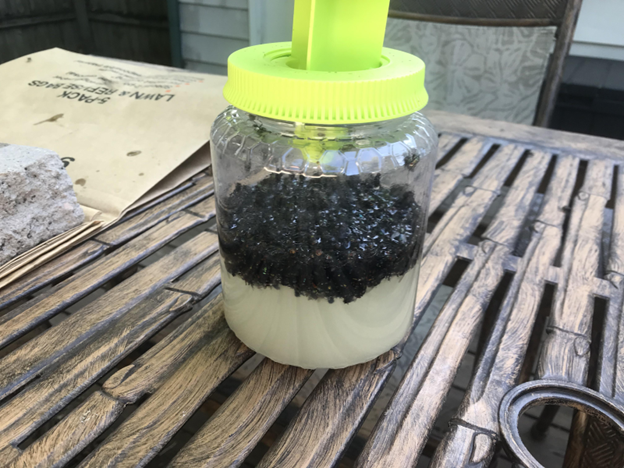
In addition to being an annoyance, flies can pose a major health risk by contaminating food and spreading illnesses. Choosing the appropriate fly trap is essential for efficiently managing these bothersome insects, whether you’re dealing with an infestation in your house, garden, or farm. This thorough guide will assist you in selecting the ideal fly trap for your unique requirements.
1. Determine the Flies’ Type
Different objects attract different types of flies. Fruit flies are drawn to ripe fruits, but house flies may be lured to food waste. Selecting a trap with the appropriate attractant will be made easier if you are aware of the kind of flies you are working with.
2. Locate the Site
A big part of your selection is where you want to set the trap. While interior traps are frequently more covert and visually beautiful, outdoor traps are made to resist weather conditions. Think about the precise location you need to target, such as the vicinity of trash cans, compost piles, or animal cages.
3. Take Safety Into Account
Safety is a top priority if you have small children or pets. Seek for traps that don’t contain any dangerous chemicals and that employ non-toxic attractants. Since many contemporary fly traps use food-grade materials, they are safe for both people and dogs.
4. Determine the Infestation’s Size
The trap’s dimensions and capacity ought to correspond with the severity of the fly issue. A straightforward sticky trap might be adequate for a modest problem in a tiny apartment. A bigger capacity reusable trap will work better for larger infestations, particularly those that occur outdoors.
5. Assess Aesthetics and Design
Functionality is important, but if the trap is in a conspicuous location, like a kitchen or patio, you may also want one that fits in with the surroundings. A lot of traps are made with aesthetics in mind, providing a harmony between practicality and visual appeal.
6. Examine reviews and suggestions
Reviews from customers and professional advice might offer important information about how successful a specific trap is. If you have a serious infestation, look for items with good reviews and think about consulting experts.

7. Establish a spending plan
The cost of fly traps varies, ranging from low-cost adhesive strips to pricey technological equipment. Establish your spending limit and look for a trap that provides the most value without sacrificing efficacy or quality.
Final Thoughts
There is no one-size-fits-all approach to choosing the ideal fly trap. Numerous aspects need to be carefully taken into account, such as the kind of fly, the area, safety, the extent of the infestation, upkeep, aesthetics, and financial constraints. You can locate the ideal fly trap that not only gets rid of those bothersome insects but also blends in well with your surroundings by knowing your unique demands and conducting extensive study.
The ideal fly trap is out there, ready to make your environment pleasant and fly-free, whether you’re searching for a basic solution for your house or a sturdy trap for agricultural usage.