What to Do With Your Old RV When Repairs Are Too Costly in Colorado
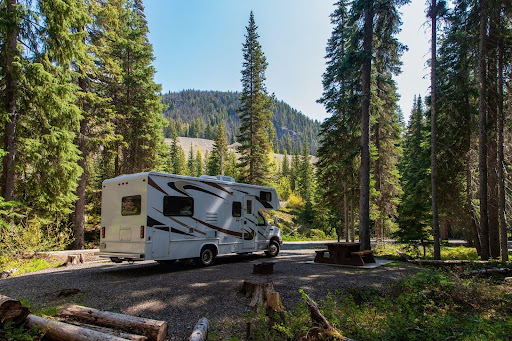
Owning an RV provides a gateway to adventure, but maintenance costs can overshadow the joy of the open road as years pass. Colorado’s rugged terrain, harsh winters, and high-altitude conditions accelerate wear and tear on motorhomes and travel trailers. Owners must consider alternative options when repair expenses surpass the vehicle’s worth.
Exploring Your Options to Sell Your Junk RV in Colorado
Keeping a deteriorating RV can lead to ongoing frustration and unexpected financial burdens. When engine failures, water damage, or structural deterioration become too expensive to fix, many owners look for ways to offload their vehicles efficiently. One of the most straightforward solutions is to sell your junk RV in Colorado to a specialized buyer who accepts damaged or non-functional models.
Private sales may seem appealing, but finding a buyer for a high-mileage or heavily worn RV can take months. Many dealerships refuse trade-ins on older vehicles with significant issues, leaving owners with few traditional selling avenues. Scrap yards, salvage services, and junk RV buyers provide hassle-free alternatives, ensuring a quicker transition while eliminating storage costs.
Assessing Whether Selling or Scrapping Is the Better Choice
Before making a final decision, evaluate whether selling the RV in its current condition or scrapping it for parts yields the most value. If the vehicle has a functioning drivetrain, electrical system, or salvageable interior components, some buyers may be willing to purchase it for refurbishment. On the other hand, if water intrusion has caused rot, the engine no longer runs, or severe rust has compromised the frame, scrapping may be the most viable route.
Colorado’s scrapyards and metal recycling centers typically compensate owners based on the vehicle’s weight. While this approach provides immediate cash, selling to an RV-specific junk buyer might yield a better financial return, especially if key components hold value. Understanding the vehicle’s remaining worth ensures a well-informed choice.
Donating an Old RV: When Giving Back Becomes a Practical Solution
Some nonprofit organizations accept unwanted RVs as charitable donations, repurposing them for temporary housing, community projects, or resale to fund outreach programs. The donation may provide tax benefits depending on the organization and the vehicle’s appraised value.
Before donating, verify the nonprofit’s requirements and whether they accept non-working units. Some groups provide free towing, simplifying the process for owners who cannot transport the vehicle themselves. While this option does not provide direct financial compensation, it contributes to a worthy cause and eliminates the hassle of private sales or junkyard negotiations.
Repurposing an RV for Stationary Use: Alternative Ways to Utilize an Aging Vehicle
An RV that no longer functions as a roadworthy vehicle may still serve a practical purpose. Many owners convert old travel trailers or motorhomes into stationary guest houses, backyard offices, or off-grid cabins. Colorado’s vast landscapes and rural properties provide ample space for creative repurposing.
Removing the engine and outdated mechanical components reduces long-term maintenance, transforming the RV into a cost-effective living space. Upcycling old materials into functional units allows owners to retain sentimental value while adapting the vehicle for a new purpose. However, zoning laws and property restrictions vary by county, so checking local regulations is essential before repurposing an RV for stationary use.
Disposing of an RV Responsibly to Avoid Environmental Hazards
Abandoning an unwanted RV is not an option. Colorado enforces strict regulations regarding vehicle disposal, and leaving a deteriorating rig on public land or private property can result in hefty fines. Hazardous fluids, batteries, and propane tanks require proper handling to prevent environmental contamination.
Owners should contact local disposal facilities or RV dismantling services to ensure safe deconstruction. Some businesses specialize in breaking down motorhomes and trailers while recycling usable materials. Opting for eco-friendly disposal minimizes waste and prevents toxic leaks into Colorado’s pristine environment.
Working With Junk RV Buyers for a Stress-Free Process
Selling an inoperable RV to a specialized junk buyer eliminates the stress of dealing with repairs, paperwork, and unreliable private buyers. Many companies offer free towing, immediate cash payments, and streamlined transactions. Instead of navigating dealership trade-in restrictions or negotiating with scrapyards, working with a junk RV service provides a straightforward solution.
When choosing a buyer, verify licensing, check reviews, and compare offers. Some services provide online quotes based on make, model, and condition, allowing owners to gauge their options before committing to a sale. Understanding the process ensures a smooth transition while freeing up valuable space.
Transitioning to a New Chapter After Letting Go of an Old RV
Parting ways with a longtime travel companion can be bittersweet, but when repair costs exceed practicality, making the right decision prevents unnecessary financial strain. Exploring multiple options—from selling to repurposing or donating—ensures that owners find the best path forward.
Letting go of a worn-out RV opens doors to future adventures, whether through a new model, alternative travel experiences, or newfound financial freedom. Choosing a responsible and efficient exit strategy allows owners to move forward without lingering burdens, embracing fresh possibilities beyond the limitations of an aging vehicle.
Read more: What to Do with Your Old or Damaged RV in Oregon: Fix It or Sell It?
Read more: Reasons Why You Need to Insure Your RV
Read more: Important Things All RV Owners Should Know