How Long Does an AC Repair Take? What to Expect
When the air conditioner malfunctions, you’ll first want to know, “How long will the repair take?” Your answer will depend on the issue type, the parts availability, and the technician’s experience level.
Typically, AC repair can take 2 to 8 hours, but more complex problems can be completed in a day or two. Knowing the factors that influence the timing can make the process less frustrating and enable you to plan accordingly.
This article will cover the most substantial factors in the length of an AC repair and what to expect during the process.
Whether it’s the type of problem, the season, or potential complications, you will learn it all to prepare for the repair to be seamless and successful.

1. Nature of AC Problem
The nature of the problem you have with your air conditioner is the most influential element in the repair time. Some common issues, like the need to replace the filter or reset the circuit breaker, can be repaired in under an hour. More complex issues like leaks in the refrigerant, faulty compressors, or electrical problems can be repaired in several hours or even several visits.
For example, the repair for the leak is not simply to locate the leak and repair it but to repair it and recharge the system with the proper level of the appropriate type of refrigerant. It’s about a 3 to 6-hour repair, depending on the leak’s intensity.
Similarly, replacing a faulty compressor is a complex and time-consuming task that can take several hours or more. For instance, in Ocala, FL, where high temperatures make reliable cooling essential, expert Ocola AC repair services efficiently address such issues by inspecting condenser coils, tightening electrical connections, and enhancing overall system performance.

2. Availability of Spare Parts
The second vital aspect to consider in fixing the timing for the repair is the availability of spares. Repairs can be delayed if the AC machine requires only one specific unavailable component. Identifying the correct part will take several days or even weeks for less popular or older machines.
Sometimes, the technicians must order the parts for you at the dealer, delaying the repair. But if the parts required are available, the repair can be completed in one visit. Always ask your technician when you schedule the repair to prevent delay whether the parts are available for immediate use.
3. Experience and Effectiveness of the Technician
The level of experience and skill the HVAC technician possesses also contributes equally to determining the length of the repair. A highly experienced and skilled technician can diagnose and repair the issue much faster than an inexperienced one. Additionally, established organizations use innovative tools and techniques to perform the repair efficiently.
For example, the seasoned technician will use diagnostic tools to recognize the problem in minutes. In contrast, an inexperienced technician will spend much more time to realize the problem.
Therefore, the seasoned professional will save you money and time in the long run.
4. Time of Year and Demand for Services
Seasonal timing can be the deciding factor when waiting for an AC repair. If it’s peak season during the year, such as the summer season, HVAC professionals are flooded with repair calls. Thus, expect the wait to schedule along with waiting to perform the repair to be longer.
On the other hand, repairing the off-season (spring or fall) can be beneficial by completing the work more quickly. It is generally slower for technicians during this period so that they can work on your issue earlier. If the air conditioner is malfunctioning, it is worthwhile to repair the problem before the busy season.
Wayne County homeowners are advised by their AC repair services in Livonia to schedule routine system checks before seasonal temperature spikes strain internal components. Addressing small operational issues during calmer periods ensures that the system runs smoothly and efficiently when peak summer demand arrives.
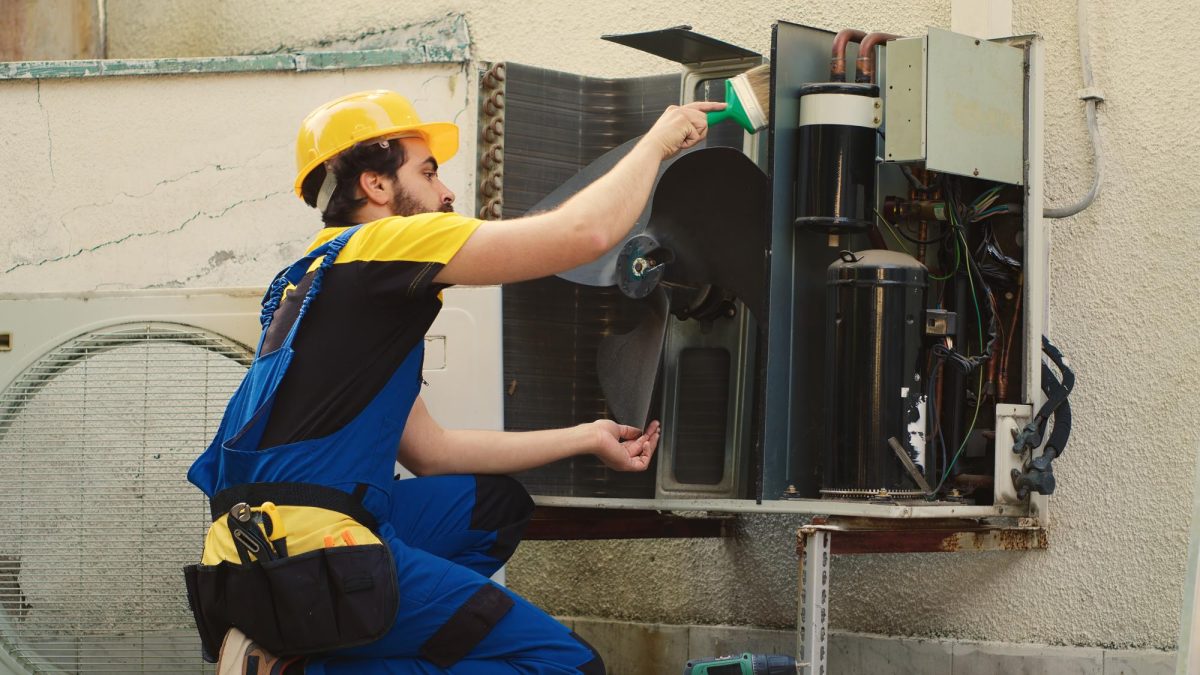
5. System Age and Preventive Maintenance
The age and condition of the AC can also play a role in the repair time. ACs maintained well are less likely to have significant breakdowns, and when an issue arises, it is less likely to be complex. ACs that are aged or have poor maintenance can be slower to repair.
For instance, an older unit with compromised components must replace several components, extending the repair. Breakdowns can be eliminated, and repair hours can be shortened by preventive maintenance such as coil cleaning and checking the level of the refrigerant.
6. Initial Inspection and Diagnostic Time
Before carrying out any repair, the technician needs first to diagnose the problem. This initial test can last for 30 minutes to several hours, depending on the seriousness of the problem. During this period, the technician checks several major system parts, including the thermostat, the electrical components, and the refrigerant level.
If it is a problem, the technician will inform you what it will cost and the duration it will take to repair. Don’t forget that some issues will require further diagnosis, which will be added to the overall duration.

7. Post-Repair Testing and Verification
Once the repair is completed, the technician will generally test the system to ensure it runs effectively. This is to double-check that the issue is wholly repaired and that the unit is at its highest potential. Testing can last anywhere from 30 minutes to an hour, depending on the repair type.
The technician can now test the airflow and temperature readings and the system’s overall functionality. Where problems are evidenced, the repair or adjustment can be undertaken, adding to the overall repair duration.
Conclusion
Finally, the duration of repair of an AC unit will depend primarily on the type of the problem, whether parts are readily accessible, and the level of experience the technician possesses. Although minor repair work can be completed in hours, complex issues can consume an entire day or even days.
Knowing what to expect when the repair work is in progress will help you prepare for the disruptions and maintain the comfort level in the house. If you encounter an issue with your air conditioner, do not let it become serious. Schedule a repair with an expert technician to resolve the issue promptly and efficiently.