Why Is Your Heating System Blowing Cold Air, and How Can You Fix It?
A heating system is essential for keeping a home warm and comfortable during colder months, but when it starts blowing cold air instead of warm, it can quickly become a frustrating problem. There are several reasons why this might happen, ranging from simple issues like incorrect thermostat settings to more serious mechanical failures. Understanding the possible causes and how to address them can help restore warmth to a home without unnecessary stress or high costs of heating repair in Cranbrook, BC. Some problems, such as changing air filters or adjusting thermostat settings, may be easy to fix, while others require professional assistance. We will explore the common reasons why a heating system might blow cold air and provide solutions to help resolve the issue efficiently.
Reasons why a heating system might blow cold air
- Incorrect Thermostat Settings Affecting Performance
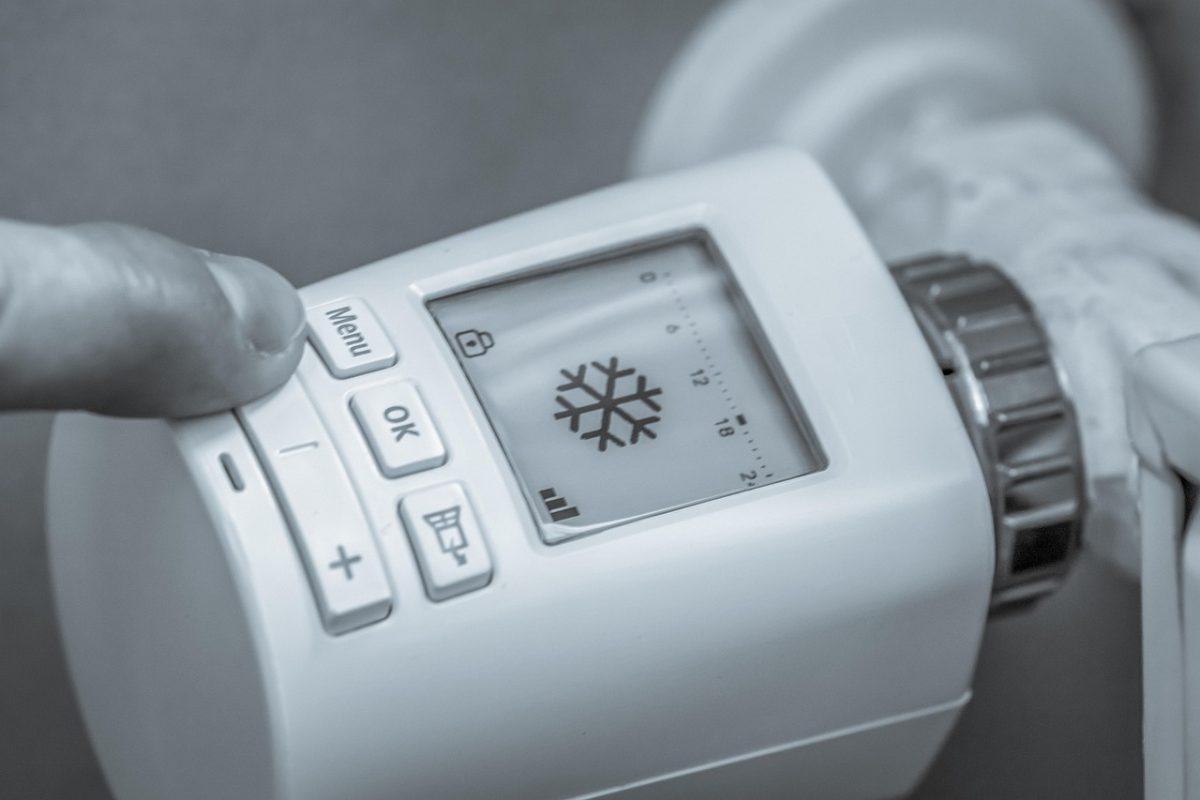
An incorrect thermostat setting is one of the most common reasons a heating system blows cold air. Many homeowners assume that their system is malfunctioning when, in reality, the thermostat may not be set to heat mode. If the thermostat is set to “fan” instead of “auto,” the blower will continue running even when the furnace is not heating the air, circulating cool air throughout the home. Additionally, if the temperature is set too low, the system may not produce enough heat to feel warm. Checking the thermostat settings should be the first step in troubleshooting a heating issue. Ensuring the thermostat is set to “heat” mode and the temperature is adjusted appropriately can quickly resolve the problem. If the thermostat is battery-operated, replacing the batteries may also help, as low power can cause it to malfunction.
- Clogged or Dirty Air Filters Reducing Efficiency
A clogged air filter can significantly impact the performance of a heating system by restricting airflow and causing the furnace to overheat. When this happens, the system may shut off the burners as a safety measure, but the blower continues running, pushing cold air through the vents. Air filters should be checked and replaced regularly to prevent this issue. A dirty filter affects heating efficiency and can lead to higher energy bills and increased strain on the system. Replacing a clogged filter is a simple and inexpensive fix that can quickly restore proper airflow and heating performance. Homeowners should inspect their air filters every one to three months, depending on the type of filter and household conditions. If the problem persists after replacing the filter, further inspection of the heating system may be necessary to determine if additional issues are causing airflow restrictions.
- Issues with the Pilot Light or Ignition System
If a gas furnace blows cold air, the problem may be related to the pilot light or the ignition system. Older furnaces use a standing pilot light to ignite the burners; if it goes out, the system will not produce heat. In newer furnaces, electronic ignition systems replace traditional pilot lights but can also malfunction, preventing the burners from lighting. If the pilot light is out, homeowners can attempt to relight it following the manufacturer’s instructions. However, if the light will not stay lit, there may be a problem with the thermocouple, which regulates gas flow to the pilot. In furnaces with electronic ignition, faulty sensors or switches can prevent the burners from activating. If the ignition system is not working correctly, addressing the issue quickly is necessary to restore heat. Checking for gas supply issues and ensuring that components are clean and adequately connected can help resolve ignition-related problems.
- Ductwork Leaks Allowing Warm Air to Escape
Leaky ductwork can cause a heating system to blow cold air by allowing warm air to escape before it reaches the vents. Over time, duct joints and seams can develop gaps, or sections of ductwork can become disconnected, reducing the amount of warm air reaching different areas of the home. This problem often results in uneven heating, with some rooms feeling colder than others. Inspecting ductwork for visible leaks, disconnected sections, or damage can help identify whether air loss occurs. Sealing gaps with duct tape or mastic sealant can improve airflow and ensure that heated air reaches its intended destination. In cases where ductwork is old or extensively damaged, professional sealing or replacement may be needed to restore proper function. Keeping ductwork in good condition helps maintain energy efficiency and ensures consistent warmth throughout the home.
- Furnace Overheating Due to Blocked Vents
A furnace may blow cold air if it overheats and shuts down as a safety precaution. Overheating can occur when vents or registers are blocked by furniture, rugs, or other household items, restricting airflow and causing the system to work harder than necessary. When a furnace becomes too hot, it may shut down the burners while keeping the fan running, resulting in cold air blowing through the vents. Ensuring all vents are open and unobstructed allows air to circulate correctly and prevents overheating. Regularly checking vents and registers for blockages and cleaning them to remove dust and debris can help maintain consistent heating performance. If the system continues to overheat despite proper airflow, further inspection may be necessary to identify underlying mechanical issues that need attention.
- Problems with the Gas Supply or Fuel Source
A heating system that relies on gas may blow cold air if there is an issue with the gas supply. If the furnace is not receiving enough gas, the burners will not ignite, preventing the system from producing heat. A closed gas valve, problems with the gas line, or disruptions in service from the utility provider can cause gas supply issues. Checking to ensure that the gas valve is fully open and that there are no gas leaks can help determine whether the issue lies with the fuel supply. If other gas appliances in the home are also not working, the problem may be with the main gas line. In such cases, contacting the gas company to check for service disruptions is necessary. For heating systems that use alternative fuel sources, such as propane or oil, ensuring enough fuel in the tank is also essential for maintaining proper operation.
When a heating system starts blowing cold air, it can be a frustrating experience, but identifying the cause and taking the proper steps to fix it can help restore warmth quickly. Issues such as incorrect thermostat settings, clogged air filters, ignition problems, and ductwork leaks can all contribute to heating inefficiencies. Simple fixes like adjusting thermostat settings, replacing air filters, and checking for blocked vents can resolve many common problems without professional assistance. More complex issues, such as ignition system malfunctions or gas supply problems, may need further inspection to ensure the heating system functions safely. Regular maintenance and prompt attention to minor problems can prevent heating failures and keep a home comfortable throughout the colder months. Taking the time to diagnose and fix these issues ensures that the heating system operates efficiently, providing reliable warmth when needed most.