Why Threaded Micropile Systems Are Ideal for Limited-Access Sites
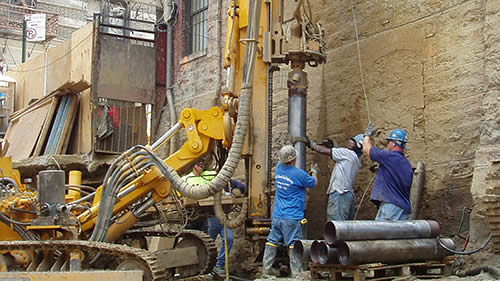
Building in confined areas can be tough. Limited entry points and tight spaces, tricky environmental conditions, and rough terrain can pose challenges that are hard to overcome. Threaded micropile systems have become a clever way to tackle such obstacles by providing stability and efficiency in such complex settings. This article discusses the reasons why using such systems is ideal for crowded spaces.
Exploring the Intricacies of Threaded Micropile Systems
Threaded micropile systems are composed of drilled and grouted piles with a narrow structure that can effectively support heavy loads due to their design features. Engineered using high-strength materials, these systems offer strong support and often outperform conventional piling techniques in terms of versatility. The interlocking nature facilitates installation and enhances adaptability, especially in tight spaces.
Benefits of Threaded Micropile Systems
Threaded micropile systems offer a range of advantages to construction projects. These systems are particularly versatile in terms of installation methods and can adjust to different ground conditions. This flexibility makes them well-suited for environments where other structures are already present. Moreover, the compact design of these systems reduces the requirement for large machinery, resulting in disruption to the surrounding areas.
Additionally, these structures are great at carrying loads. They can handle a lot of weight without taking up too much space, which keeps the building strong without needing a lot of digging. This feature is especially useful for jobs where it is important to keep the current surroundings intact.
Cost-Effectiveness and Time Efficiency
In the construction industry, project decisions are often influenced by time and budget limitations. Threaded micropile systems are favored for their installation process, which helps save on labor and equipment expenses. Their simple design also contributes to cost savings, making them a more budget-friendly option compared to other techniques. Using these systems can lead to project completion while maintaining high-quality standards.
Furthermore, the limited disturbances caused by these systems can prevent costs associated with fixing any harm to surrounding buildings or natural surroundings. This leads to cost savings for the project, making it a desirable choice for mindful ventures.
Environmental Considerations
In today’s construction industry, sustainability plays a role in decision-making processes. Threaded micropile systems are in line with eco principles as they help minimize the footprint during installation by reducing earth displacement and waste generation. This is especially advantageous in regions where preserving the ecosystem is of the utmost importance.
Moreover, during the installation process, the decreased noise and vibration levels are advantageous for the surrounding neighborhoods. This gentle method maintains tranquility and guarantees adherence to noise restrictions, promoting good rapport with the residents in the vicinity.
Application in Urban Environments
In the construction industry, space and logistical hurdles are often encountered. To tackle these challenges, threaded micropile systems come into play, offering a practical space solution. Their small size enables navigation in areas where bulky machinery can’t fit, making them a preferred option for constructing foundation support structures for bridges and retaining walls in city environments.
Moreover, the small space needed by the equipment decreases the need for closing roads, causing traffic problems in city centers. Adjustability to various soil types improves their effectiveness in urban settings twice as useful in tough conditions.
Overcoming Geological Challenges
Building in regions with challenging conditions requires unique solutions tailored to the environment’s challenges. Threaded micropile systems are highly beneficial in these scenarios because of their flexibility. They can navigate challenging terrains, like sandy soils, to offer stability in areas where traditional methods may face difficulties.
They efficiently allocate weight burdens to lessen the dangers linked with ground shifts and compactness issues. They are sturdy enough to uphold the lasting strength of buildings over time, making them a dependable option for ventures in geologically challenging areas.
Conclusion
Threaded micropile systems are known for their versatility in addressing construction challenges in hard-to-reach areas. They are also cost-effective and eco-friendly options for modern construction projects. Their ability to adapt to different ground conditions and low environmental impact make them a preferred choice for today’s building projects. Optimizing methods such as these systems guarantee results even when working in tight spaces. Prioritizing eco-friendliness and effectiveness sets a benchmark for constructing in locations.