Why Team Building Packages Are Essential for Strengthening Workplace Relationships
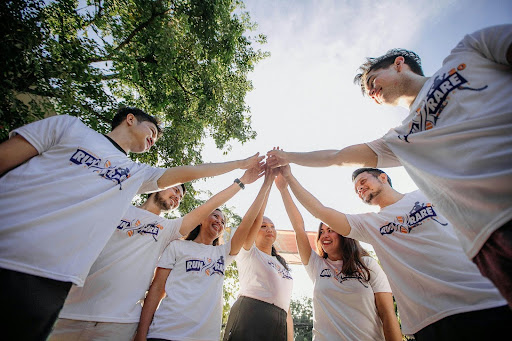
Team building packages play an essential role in fortifying workplace relationships by bridging communication gaps and fostering a culture of trust. These structured activities strategically facilitate collaboration and empower teams to leverage diverse strengths effectively. By promoting empathy and shared experiences, they enhance team morale and motivation. The ripple effect is a more inclusive environment that encourages innovation and reduces conflict. What are the deeper impacts on organizational culture and long-term success?
Breaking Down Communication Barriers
How do communication barriers impact workplace dynamics? Ineffective communication disrupts productivity, fosters misunderstandings, and generates conflict, creating an environment where collaboration struggles to thrive. Identifying and breaking down these barriers requires strategic approaches such as active listening. By prioritizing active listening, employees can better understand colleagues’ perspectives, reducing misinterpretations. Feedback loops further facilitate open dialogue, enabling continuous improvement and adaptation within the team. Incorporating these elements into workplace strategies; along with culture change tools designed to guide organizational transformation—can dismantle communication barriers, enhancing overall dynamics. These loops guarantee information flows efficiently, allowing team members to address issues promptly and constructively. Incorporating these elements into workplace strategies can dismantle communication barriers, enhancing organizational dynamics. By fostering an environment where every voice is heard and acknowledged, organizations can create a culture of inclusivity and efficiency, ultimately boosting morale and achieving collective goals.
Building Trust Among Team Members
Effective communication is only one component of successful teamwork; trust among team members is equally essential for fostering a cohesive work environment. Trust is the foundation upon which team dynamics thrive, ensuring that individuals feel secure and valued. To strategically build trust, organizations often employ trust building exercises and team trust workshops. These initiatives are designed to facilitate open dialogue and create shared experiences that strengthen interpersonal bonds. Trust building exercises, such as role-playing and problem-solving tasks, encourage transparency and accountability. Meanwhile, team trust workshops focus on understanding team dynamics, promoting empathy, and aligning values. By systematically implementing these strategies, organizations can cultivate a culture of trust, thereby enhancing overall team effectiveness and resilience in the workplace.
Enhancing Collaboration and Teamwork
Enhancing collaboration and teamwork within an organization necessitates a strategic focus on building trust and cooperation among team members. By fostering an environment that encourages open communication, teams can more effectively align their efforts towards common goals. Zing events team building activities London can play a key role in this process, offering structured, hands-on experiences that help employees connect, practice collaboration, and build mutual trust in ways that day-to-day work rarely allows. Implementing team-building packages designed to facilitate these dynamics can lead to sustained improvements in productivity and workplace harmony.
Building Trust and Cooperation
While trust and cooperation are foundational to any successful team, fostering these qualities requires intentional and strategic action. Team building packages offer structured trust building activities and cooperative games that are critical for enhancing workplace dynamics. Such activities are designed to develop mutual respect, understanding, and shared goals among team members. By engaging in cooperative games, individuals learn to rely on each other, encouraging interdependence and collaboration. This strategic approach not only strengthens individual relationships but also enhances overall team performance. The facilitation of these activities by skilled professionals guarantees that they are tailored to address specific team challenges, thereby maximizing their impact. To summarize, implementing these strategic interventions is essential for cultivating a cohesive and high-functioning workplace environment.
Encouraging Open Communication
How can teams access the potential of open communication to elevate collaboration and teamwork? Strategic emphasis on active listening and establishing feedback loops can greatly enhance these dynamics. Teams that prioritize active listening demonstrate an understanding of diverse perspectives, which is critical for fostering an inclusive environment. By actively engaging with each other’s ideas, teams create a foundation of trust and mutual respect. Feedback loops serve as a structured mechanism for continuous improvement, enabling team members to constructively critique and refine processes. This iterative exchange of ideas not only resolves conflicts but also drives innovation. Team building packages that focus on these elements can facilitate an atmosphere where open communication thrives, ultimately contributing to a more cohesive and effective team dynamic.
Boosting Employee Morale and Motivation
In the pursuit of fostering a vibrant workplace, boosting employee morale and motivation emerges as a strategic priority that can considerably impact both productivity and job satisfaction. Employee engagement is a critical component, serving as a conduit through which morale boosters can effectively function. Team building packages offer a structured approach to enhancing workplace dynamics by incorporating activities that resonate with employees’ interests and values. These packages often include interactive sessions and shared challenges that invigorate participation and foster a sense of belonging. By addressing the emotional and psychological needs of employees, organizations can cultivate an environment where motivation thrives. Strategically implemented, such initiatives can lead to increased loyalty, reduced turnover, and a more cohesive workforce, ultimately translating to improved organizational performance.
Recognizing and Utilizing Diverse Strengths
Recognizing and utilizing diverse strengths within a team is a pivotal strategy that enhances organizational effectiveness. By conducting a thorough strength assessment, organizations can identify the unique capabilities each member brings. Skill diversity, a critical element in team dynamics, fosters innovation and resilience. When team building packages incorporate activities that highlight individual strengths, they create an environment of appreciation and inclusivity. This strategic approach not only optimizes team performance but also aligns individual capabilities with organizational goals. Facilitating open discussions on skill diversity encourages team members to leverage their strengths collaboratively. As a result, teams become more agile, adaptive, and capable of tackling complex challenges, ultimately leading to a more cohesive and productive workplace environment.
Encouraging Creative Problem-Solving
Encouraging creative problem-solving within workplace teams involves strategically fostering innovative thinking and employing collaborative brainstorming techniques. By integrating unconventional problem-solving approaches, organizations can stimulate a culture that values diverse perspectives and agile solutions. These methods not only enhance team dynamics but also contribute to more effective and sustainable outcomes.
Fostering Innovative Thinking
Though often overlooked, fostering innovative thinking within a team is essential for enhancing creative problem-solving capabilities. Innovative workshops and creativity exercises are strategic tools that organizations can employ to cultivate an environment conducive to new ideas. These activities encourage participants to step outside conventional thinking patterns, thereby broadening their problem-solving approaches. By strategically integrating these elements into team building packages, organizations facilitate a shift from linear to lateral thinking. Such methodologies not only inspire original thought but also build a culture that values diverse perspectives. Consequently, this approach enables teams to tackle complex challenges more effectively, driving organizational growth. Ultimately, the strategic focus on fostering innovation equips teams with the skills necessary to adapt and thrive in an ever-evolving business landscape.
Collaborative Brainstorming Techniques
Effective collaborative brainstorming techniques serve as the backbone for enhancing creative problem-solving within teams. Strategically designed brainstorming sessions enable participants to engage in structured idea generation, fostering an environment where innovative solutions can thrive. By setting clear objectives and establishing a non-judgmental space, teams can freely explore diverse perspectives, which is vital for identifying unique solutions. Facilitative methods such as mind mapping and the “Six Thinking Hats” technique can be employed to guide discussions and encourage participation from all members. Additionally, rotating leadership roles during these sessions can offer fresh insights and prevent stagnation. Ultimately, these techniques support a culture of open communication and collective ownership, essential elements for strengthening workplace relationships and achieving sustainable success.
Unconventional Problem-Solving Approaches
While traditional problem-solving methods have their merits, unconventional approaches often yield the most innovative solutions in workplace settings. Incorporating lateral thinking and design thinking within team building packages can catalyze creative problem-solving. Lateral thinking encourages employees to look beyond conventional boundaries, fostering a culture where diverse perspectives lead to novel insights. Design thinking, on the other hand, prioritizes empathy and iterative prototyping, enabling teams to address complex challenges with user-centric solutions. These methodologies not only enhance problem-solving skills but also strengthen workplace relationships by promoting open communication and collaboration. Strategically integrating these approaches into team activities guarantees that employees are equipped to tackle future challenges creatively, ultimately enhancing organizational adaptability and innovation. Such frameworks facilitate an environment ripe for collective growth.
Reducing Workplace Stress and Conflict
When workplace stress and conflict are minimized, organizations experience increased productivity and improved employee morale. Effective stress management and conflict resolution are essential elements within team building packages that address these issues. Team building exercises designed with these objectives in mind allow employees to engage in scenarios that simulate real-world challenges. This strategic approach equips them with practical tools for managing stress and steering through conflicts effectively. Facilitators guide participants through exercises that highlight communication, empathy, and collaboration, fostering an environment where individuals feel understood and supported. Analytical assessment of these activities helps identify underlying issues contributing to stress and discord. By systematically addressing these factors, organizations create a harmonious workplace, promoting efficiency and reducing the likelihood of disruptive conflicts.
Fostering a Positive Organizational Culture
Building on the foundation of reduced stress and conflict, organizations can further enhance their work environment by fostering a positive organizational culture. This strategic approach prioritizes employee engagement and cultural awareness, creating a cohesive atmosphere where diverse perspectives thrive. By embracing cultural differences, organizations can harness untapped potential, promoting inclusivity and innovation. Facilitating team-building exercises that emphasize shared goals and mutual respect can strengthen interpersonal relationships and increase morale. When employees feel valued and understood, they are more likely to be motivated and productive. A positive organizational culture serves as a catalyst for effective communication and collaboration, ultimately leading to a more resilient workforce. Consequently, organizations that invest in these initiatives often experience improved employee satisfaction and retention, fostering a sustainable work environment.
Driving Long-Term Organizational Success
To drive long-term organizational success, companies must strategically align their human resources with overarching business goals. Strategic alignment guarantees that all team members understand and work towards common objectives, which enhances efficiency and productivity. By integrating team building packages, organizations can facilitate this alignment, creating a cohesive workforce that is focused on shared outcomes. Effective team building activities help in clarifying roles and responsibilities, thereby improving communication and collaboration.
Moreover, the implementation of performance metrics is essential. These metrics provide measurable benchmarks for evaluating success, allowing organizations to assess the impact of their strategies and make informed adjustments. When team building initiatives are aligned with these metrics, they become powerful tools for driving sustained growth and achieving long-term objectives across the organization.
Frequently Asked Questions
What Activities Are Typically Included in Team Building Packages?
Team building packages typically include icebreaker games to foster initial connections and problem solving challenges designed to enhance collaborative skills. These activities strategically facilitate communication, trust, and cooperation among team members, ultimately strengthening workplace dynamics and relationships.
How Can Team Building Packages Be Customized for Remote Teams?
Team building packages for remote teams can be customized by integrating virtual icebreakers and collaborative workshops. Strategically designed, these activities facilitate meaningful interaction, fostering a cohesive digital environment that mirrors in-person engagement and strengthens team dynamics.
What Metrics Determine the Success of a Team Building Event?
Success metrics for a team building event include participant feedback and engagement levels. Evaluating these elements helps determine effectiveness, ensuring objectives are met and identifying areas for improvement. Analyzing these metrics facilitates strategic planning for future events.
How Often Should Team Building Activities Be Conducted?
Conducting frequency analysis helps determine the ideal regularity of team building activities. Strategic planning guarantees activity impact aligns with organizational goals, suggesting quarterly or biannual sessions to maintain engagement and foster stronger workplace relationships effectively.
Are Team Building Packages Tax-Deductible for Businesses?
Businesses often evaluate the tax implications of their expenses. Team building packages can be considered deductible expenses if they meet specific criteria set by tax authorities, aligning with strategic financial planning and facilitating organizational growth through employee engagement.