Why Proper Clothing Storage Matters for Preserving Fabric and Fit
Clothing is more than just a necessity, it’s a reflection of personal style, investment, and even sentimentality. Whether it’s a well-tailored blazer, a designer dress, or a favorite vintage tee, the condition and longevity of your clothing depend significantly on how it’s stored. Yet, in the rush of daily life, proper storage often becomes an afterthought. Clothes get crammed into overflowing closets, tossed onto chairs, or packed away haphazardly during seasonal shifts. Over time, these habits can lead to unnecessary damage that affects both fabric quality and garment fit.
The truth is that improper storage doesn’t just make your wardrobe disorganized; it can cause irreversible wear, misshaping, and even odor buildup. A bit of intention and planning in how you store your clothes can preserve their structure, extend their life, and make getting dressed every day a smoother, more satisfying experience.

Choosing the Right Environment to Store Your Clothing
Before considering hangers and drawers, think about the environment where your clothing is kept. The storage conditions you choose can either protect or slowly degrade your garments, particularly those made from delicate materials like wool, silk, or linen.
Temperature, humidity, and ventilation all matter. A hot, stuffy attic or a damp basement can cause mold, mildew, and fabric breakdown over time. Avoid areas with extreme temperature fluctuations or high moisture levels. Sunlight is another hidden enemy, prolonged exposure can cause colors to fade and fabrics to weaken.
When closet or drawer space runs out, or if you’re dealing with seasonal wardrobe rotation, off-site options can help manage the overflow without putting your clothing at risk. For instance, if you need Hallam storage units or those near your local area, climate-controlled spaces offer a secure and stable environment for garments you won’t need for a while. These facilities help ensure items remain in excellent condition until they’re ready to return to your wardrobe.
In your home, stick to dry, cool places for long-term storage. Use breathable containers, like cotton garment bags or canvas boxes, instead of airtight plastic bins, which can trap moisture and invite mold.
The Importance of Folding vs. Hanging
Different garments require different storage methods to maintain their integrity. Understanding which items should be folded and which should be hung can prevent stretching, wrinkling, and sagging.
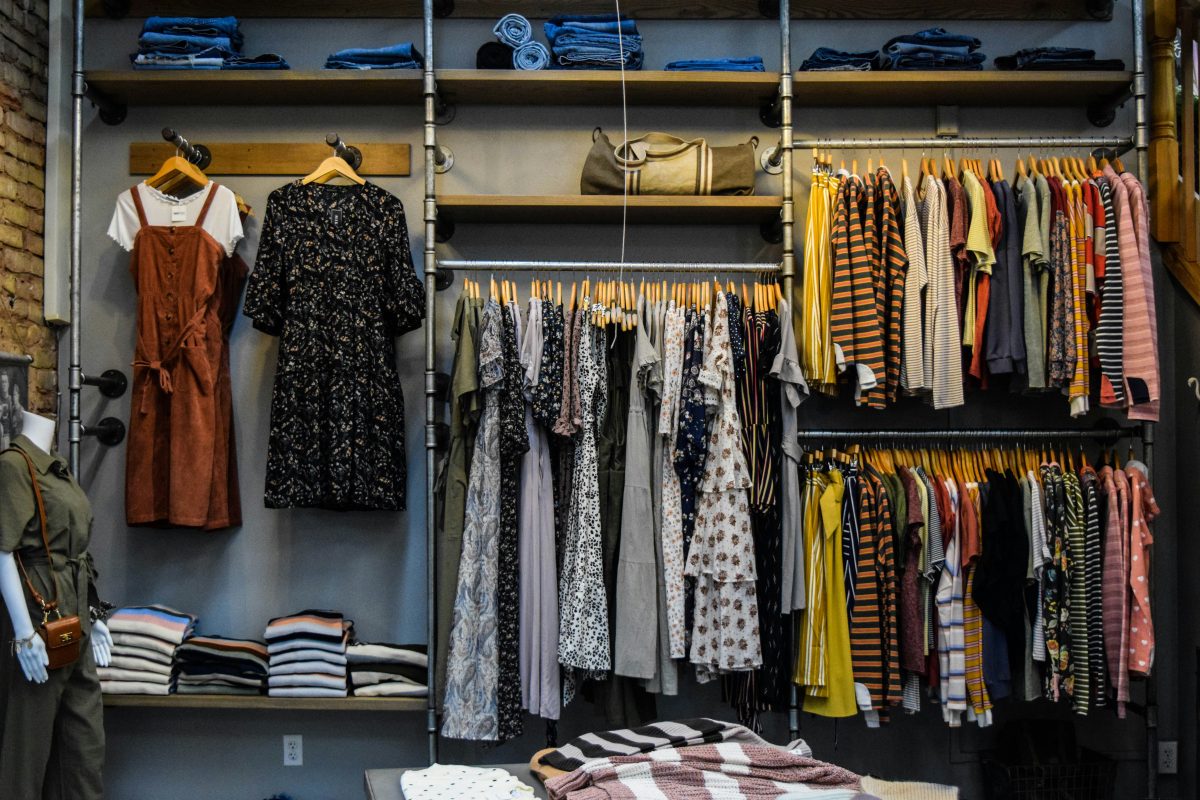
Knitwear, for example, should always be folded. Hanging sweaters or cardigans can cause them to lose their shape over time, as gravity pulls the fibers downward. Similarly, t-shirts, jeans, and workout clothes are better stored folded to preserve their structure.
Items like blazers, button-up shirts, dresses, and trousers are generally best hung, but not just on any hanger. Use wooden or padded hangers that mimic the garment’s shoulder shape to avoid creating unsightly dimples or misshapen seams. Avoid wire hangers altogether, as they provide little support and can even rust over time, staining your clothes.
If you’re tight on space, consider vertical hangers or cascading hooks to make the most of what you have without overcrowding.
Clean Before You Store
Storing dirty or worn clothing is one of the most common mistakes people make when organizing their wardrobes. Even if a garment looks clean, it may carry body oils, perfume, or small stains that become more pronounced over time. These residues can attract pests like moths and accelerate fabric breakdown.
Before storing anything long-term, whether in your closet, under the bed, or in a storage unit, make sure it’s freshly cleaned. Wash or dry clean the items according to their care instructions, and allow them to fully dry before folding or hanging. Never store clothes that are even slightly damp, as this can create a breeding ground for mildew.
Rotate and Refresh Regularly
Even in storage, clothes need occasional attention. If an item is going unused for months at a time, it’s worth checking in on it periodically. Refold pieces that have been sitting to prevent permanent creases, air out garments to keep them smelling fresh, and re-evaluate your need for the item.
Seasonal wardrobe changes provide a great opportunity to rotate stored items and assess what you really wear. As you bring out clothes for a new season, take the time to inspect them for wear, fit, and relevance to your current style.
Storing Accessories and Shoes Properly
Accessories and footwear often suffer from neglect in the storage department. Hats lose their shape when stacked under heavy items. Belts, scarves, and handbags get tangled or scratched when thrown into drawers. Shoes crack or warp when they’re not supported or kept in suitable conditions.
Use hooks, shelves, and compartmentalized drawers to keep accessories organized and visible. Store handbags upright with inserts to maintain their shape, and use dust bags when available. Belts and scarves can be rolled and placed in bins or hung on specialized racks to save space and avoid wrinkles.
By being mindful of storage conditions, choosing the right methods for different garments, and regularly refreshing your system, you can keep your clothes looking new and feeling great for years. Ultimately, investing in proper storage is investing in the value and enjoyment of your wardrobe.