Common Credit Report Mistakes That Could Be Hurting Your Score Without You Knowing
Many individuals underestimate how credit reports can influence their financial opportunities. Unfortunately, errors in these reports are common, and they can result in a poor credit score, which can affect your financial health. Know the nature of these mistakes to maintain a robust credit rating. Let’s dive into frequent credit report errors and get more insight on how to avoid them.
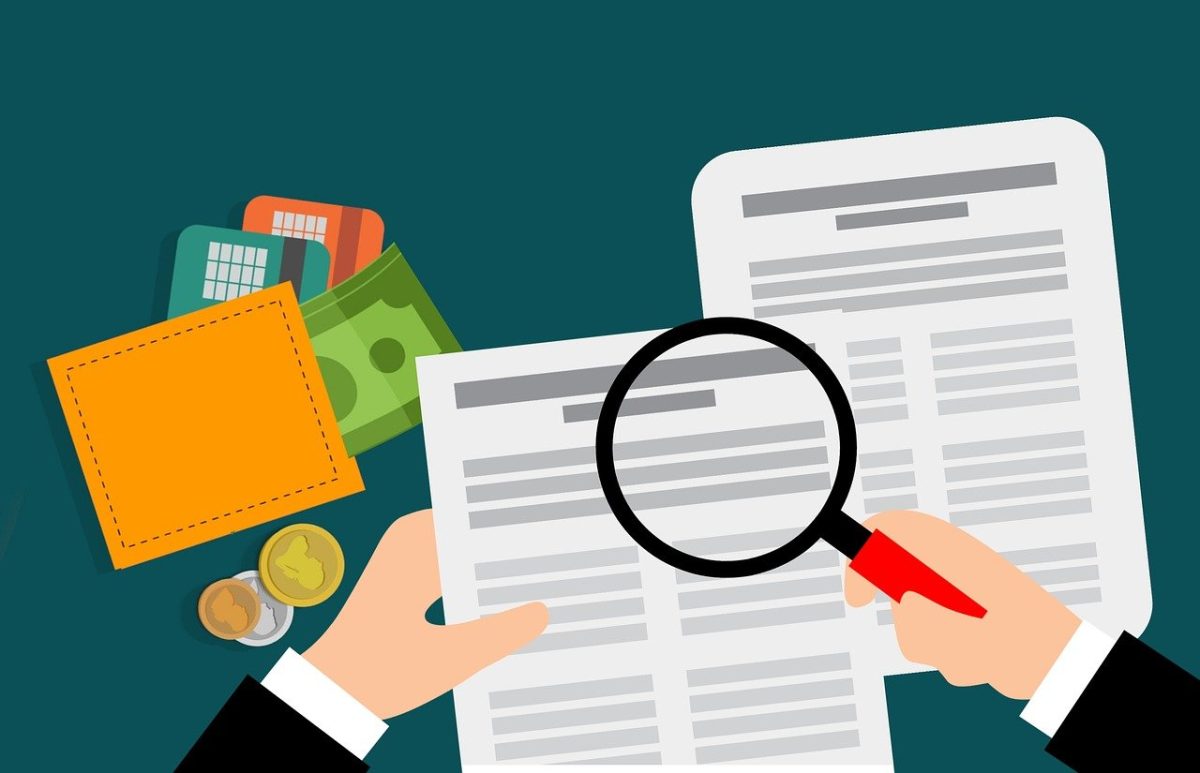
Seeking Professional Assistance for Disputes
When faced with complex errors on your credit report, seeking legal professionals can be extremely beneficial. Experienced FCRA attorneys specialize in consumer protection and can guide you through the nuances of the Fair Credit Reporting Act. These attorneys are equipped to navigate the dispute process effectively so that inaccuracies are challenged appropriately.
Many consumers find themselves overwhelmed by the intricacies of credit reporting laws, and that’s why you need to consider professional help. Working with attorneys dedicated to consumer protection can deliver faster results than an individual dispute. Investing in this professional support can restore credibility to your credit history and alleviate financial stress associated with inaccuracies.
Errors Due to Identity Theft
Millions of people are affected by identity theft each year. When a thief uses your personal information to open accounts, it can damage your credit score dramatically. Victims may find unfamiliar accounts listed on their credit report, such as credit cards or loans they never applied for. This type of error highlights the importance of monitoring your credit report often.
Upon discovering discrepancies, take immediate action to mitigate damage. Reporting the fraud to the credit reporting agencies and disputing inaccuracies should be a priority. Place a fraud alert on your credit report to prevent further misuse. Many victims are unaware of how identity theft can extract negative marks on their reports and are left fighting to reclaim their financial reputation. Remember, being vigilant can protect you from long-lasting implications on your credit score and financial health.
Mix-Ups with Common Names or Similar Identifiers
Sometimes, individuals may experience errors on their credit reports because of mix-ups with people who have similar names or identifiers. If you share a name with a relative or someone in your community, it may be the primary reason for confusion in reporting. Credit reporting agencies process vast amounts of information and can inadvertently include incorrect data from other individuals’ credit files. These errors can manifest as disparities in account balances or payment histories not related to the individual checking their report.
For those affected by this issue to carefully examine their credit reports for any unfamiliar entries. Any errors discovered should be disputed with the credit bureau. Consumers should be proactive, monitoring their reports regularly to catch these issues before they lead to larger financial repercussions. Inclusion of accurate contact information can assist in clarifying any confusion with creditors and reporting agencies.
Late Payments and Their Reporting
Late payments, a common result of oversight, can drastically lower your score. Even one missed payment can remain on your credit report for up to seven years, so you want to stay aware of payment deadlines.
Understanding how your payments are reported can help you avoid or rectify mistakes. Some consumers may find that they are incorrectly labeled as delinquent due to delayed payments that were either processed late by the creditor or recorded incorrectly by the credit bureau. If discrepancies arise regarding your payment history, disputing these claims with proper documentation can resolve issues promptly. Stay proactive with your payment plans — get to know the reporting system and maintain a healthier credit score over time.
Accounts in Collections
Accounts in collections can be alarming when found on a credit report due to errors or misunderstandings. The most prevalent situation involves payments made on time that still get reported as overdue, causing undue harm to your credit score. Other situations arise where debts are disputed but are still considered delinquent.
See how your accounts are reported to validate the entries or challenge the legitimacy of any collections. If you discover a debt that doesn’t belong to you or a payment that has been misreported, address these discrepancies without delay. As with late payments, showing documentation can bolster your case when disputing collections.
Not Reviewing Your Credit Report Regularly
Many individuals neglect to review their credit reports, assuming that their credit history is error-free. Experts recommend that consumers check their reports at least once a year to catch any inaccuracies. Errors can stem from various sources, including inconsistent reporting by lenders and outdated information lingering far beyond its relevance. Scheduled reviews can act as a safeguard against potential credit report mistakes that may harm your score.
With free annual credit reports available from each of the three major credit bureaus, there’s no excuse not to take advantage of this opportunity. Taking the initiative to stay informed empowers consumers to manage and maintain their credit effectively.
To maintain a healthy credit score, you must recognize and address common credit report mistakes. Once you know the nuances of credit reporting, consumers can avoid pitfalls that may affect their financial well-being. The proactive steps can empower individuals to take charge of their financial futures. Educate yourself about common errors to make smarter financial choices and improve credit scores.