How Diet Affects Hair Health: Foods for Stronger Hair
Ever had a bad hair day that lasted way too long? We’ve all been there. Dry ends, hair falling out more than usual, or just no shine—it’s frustrating. But here’s the thing: while stress, products, and hormones play a part, your hair also responds directly to what’s on your plate.
Essential nutrients act as builders that construct and uphold the structure of your hair. Without them your body struggles to create the desired quality of hair.
Get ready to discover the nutrients that are essential, for improving the health and strength of your hair through certain foods and lifestyle choices to steer clear of.
Unraveling the Secrets of Hair Growth and Nutrition
Your hair experiences a process consisting of three main stages. The growth phase referred to as anagen; the brief transitional phase known as catagen; and the resting or shedding phase called telogen.
To keep your hair in the growth phase and maintain its shiny appearance over time requires a steady intake of essential nutrients for your hair to grow properly. Just like how plants need water and sunlight to thrive in gardening, neglect can lead to wilted outcomes for your hair.
That’s why changes in your diet often show up on your scalp as slow growth, thinning edges, increased shedding, or breakage. While there are professional treatment options like hair restoration in Austin, food is your first and most affordable defense.
Essential Nutrients for Promoting Hair Health
Let us dig into the nutrients that your hair needs to stay healthy and where you can find them.
Protein
Your hair is mainly made up of a protein called keratin. Without enough protein, you can expect slower growth or breakage. Add eggs, chicken breast, lentils, Greek yogurt, or tofu to your meals to avoid this.
Iron
Iron carries oxygen to your hair follicles. Low levels can cause shedding or slow growth. Spinach, lentils, red meat, and seeds are your friends here.
Omega-3
These fatty acids are amazing for your hair and your brain. They keep your scalp moisturized. Chia seeds in your smoothie or a grilled salmon a few times a week is a good place to start.
Vitamin B7
This vitamin is also essential for keratin production and keeps hair strong. Therefore, incorporate foods like eggs ( the yolk ), almonds, sweet potatoes, and avocado into your meals.
Vitamin A
Your scalp produces sebum through Vitamin A, which serves as the natural oil that your hair requires. You can find them in sweet potatoes and carrots, and kale.
Vitamin C
A key player in collagen production and iron absorption. Adding bell peppers to your meal or snacking on berries can enhance collagen production. Improve iron absorption in your body to reduce hair loss!
Zinc
Zinc helps maintain the balance of oil glands surrounding your hair follicles, which reduces both irritation and shedding. Your next grocery list should include pumpkin seeds and oysters, together with beef and cashews, and chickpeas.
Vitamin D
Taking this vitamin could potentially aid in the formation of hair follicles and promote robust growth of hair strands. A few minutes of sunshine and foods like tuna or fortified grains can make a big difference.
Tips on Foods That Can Help Strengthen Your Hair
Some of the foods for healthy hair are rich in the essential nutrients listed and can be seamlessly integrated into your daily meals. A selection of must have items that your hair will appreciate comprises eggs (loaded with biotin and protein) spinach (rich in iron and vitamin A) fatty fish (packed with Omega 3 fatty acids and vitamin D) berries (abundant in vitamin C) nuts and seeds (providing zinc and biotin) as well as plant based proteins, like lentils (offering protein and iron).
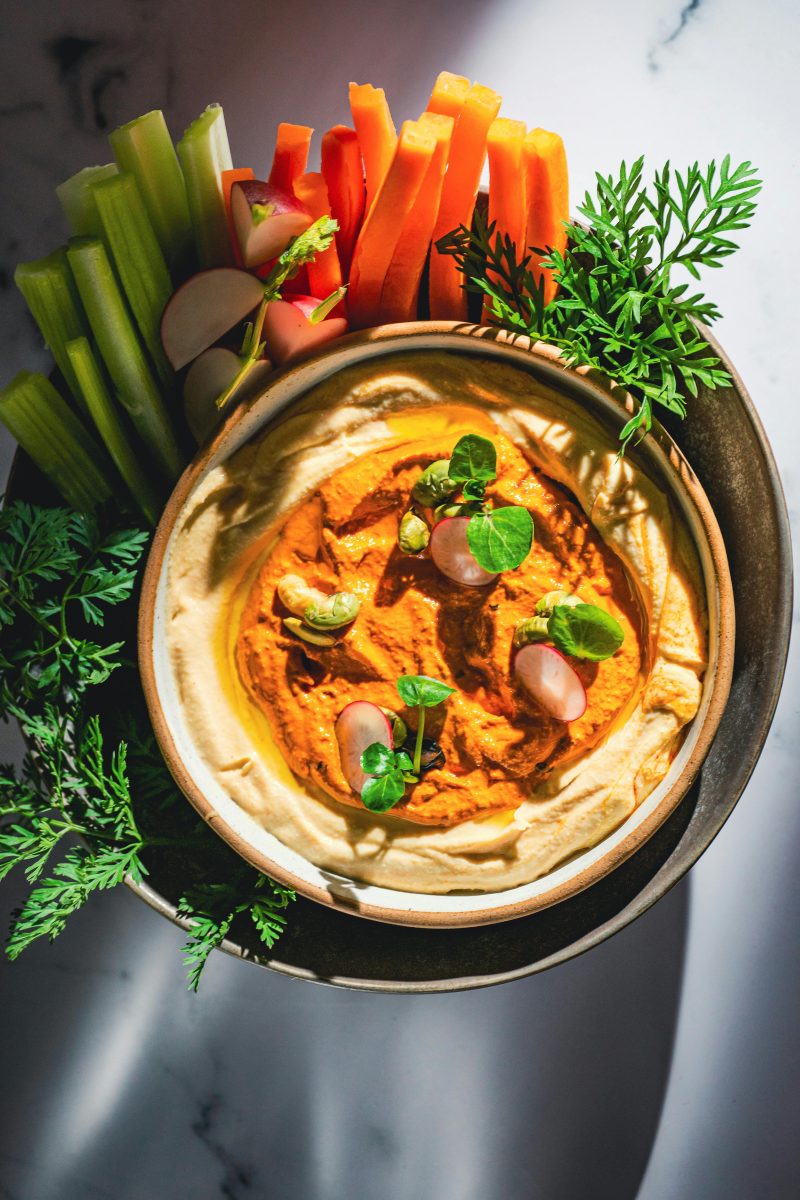
Adding these food items to your meals is quite straightforward. Maybe this can give you a picture. For breakfast, you could have Greek yogurt and berries topped with chia seeds; a vibrant salad for lunch, with lean proteins and leafy greens; a midday snack of almonds or an egg, and a wholesome dinner featuring salmon and vegetables.
Remember to also keep yourself hydrated – your scalp craves moisture just like your skin does.
What to Avoid (If You Love Your Hair)
Processed foods. Sugar overload. Crash diets. These don’t just mess with your energy—they mess with your hair. Your body treats hair like a bonus. So when nutrients are in short supply, it stops feeding your follicles first. Also, too much caffeine or alcohol can drain your body of moisture and certain minerals like zinc and iron. A cup of coffee? Fine. But five? Not so great.
If you’re already eating well and still experiencing hair loss, speak to a doctor or licensed nutritionist. You might need medical intervention or more advanced care like professional hair transplants in Dallas.
Conclusion
You don’t need pricey treatments or magic serums. Start inside.
Eat real food. Drink water. Avoid extreme diets. Pay attention to what your body (and your hair) is telling you.
Change doesn’t happen overnight, but you might be surprised at how much stronger and shinier your hair becomes when you start treating your meals like self-care.
One good choice at a time—that’s all it takes.