How Tariffs Impact Consumer Prices in the Clothing Industry
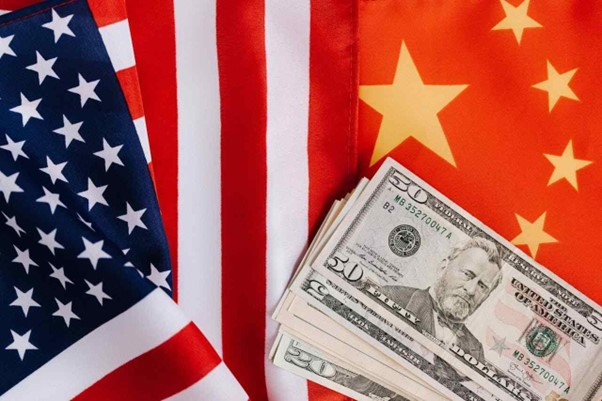
The United States has retained its position as the world’s largest economy by nominal GDP, second only to China in terms of purchasing power parity. With the US accounting for 26% of the global economy in nominal terms, it remains one of the biggest trading hubs for petroleum, natural gas, agricultural produce like corn, soybeans, wheat, and dairy products, smart devices, automobiles, pharmaceuticals, clothing, and textiles. While the US excels across multiple industries, the textile and apparel sector represents one of its most economically important markets.
US Textile Industry
The US textile and apparel industry, in particular, is one of the major sectors in the manufacturing industry. Most forex trading accounts highlight top-performing companies in each sector, including the Inditex Group for the textile industry. These companies contribute to the GDP through foreign direct investments, providing employment opportunities and stimulating revenue generation. The clothing sector in the US alone employs over half a million people and shipped $64.8 billion worth of goods in 2023. As the largest apparel market in the world, with China taking second place, the US apparel market contributes over $356 billion to the nation’s GDP. It’s also the second-largest exporter of textile materials in the world and one of the top-ranking revenue-generating sectors in the US.
While the latest data from the World Bank highlights the US GDP as $28,000 billion, the current GDP growth rate is negative 30% as of March 2025. The manufacturing sector, including the clothing industry, contributed $2,406.8 billion to the national revenue in the 4th quarter of 2024. Although consumer spending hit a record-breaking high of $16,273 billion in the fourth quarter of 2024, the GDP growth rate remains negative. The reduction in national revenue can be closely associated with the rise of tariffs on key trading partners in the US.
Tariffs’ Impact on US GDP and Consumer Prices in Clothing and Textiles
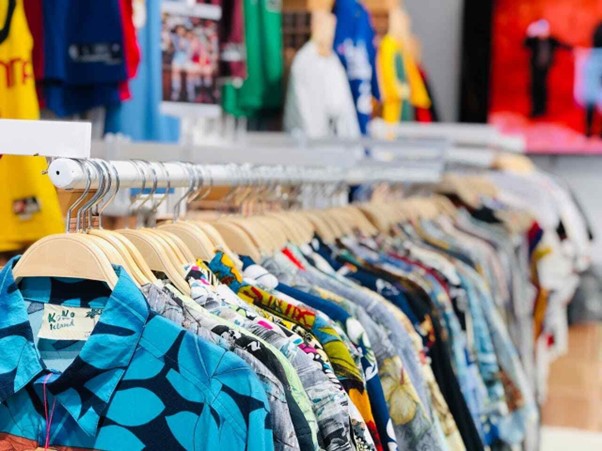
The global apparel market is valued at $1.8 trillion and provides employment to 430 million of the 3.62 billion working population. The clothing industry influences the US GDP, as the average household spends $62 per month on apparel. While apparel consumption is expected to increase by 63% by 2030, the current tariff battle between the US and its trading partners is posing a challenge to the clothing industry.
Many US fashion companies outsource their manufacturing to overseas factories in countries like China, Indonesia, India, Bangladesh, and Vietnam. With brands like the Inditex Group, H&M, and Vinatex providing lower manufacturing operations, US-based fashion companies are able to save on production costs.
Most fashion brands are transparent with their supply chain relations, especially with the advent of sustainable fashion. The usual supply chains for fashion products run to and from the United States, China, and other countries that are in close trading partnerships for textile products. The recent tariffs on China had a significant effect on the US clothing industry. With US President Donald Trump raising tariffs to a staggering height of 145% on Chinese goods, small businesses have been left to bear the brunt of the trade war.
As a result of the tariff, US fashion retailers are forced to seek alternate supply chains, which can be costlier. In addition, the instability posed by the tariffs on international trade has led to increased shipping costs, port delays, and scarcity of textile products.
Recently, the US reduced tariffs on China from 145% to 30%, prompting businesses to rush to complete orders and import made-in-China products at a minimum of 30%. Due to the “pink tariff” concept, which involves 3% higher US tariff rates on women’s clothes and shoes than tariffs on men’s clothes and shoes, women’s clothing is usually costlier. Under the new 30% tariff, importing cotton sweaters from China faces a 46.5% tariff, women’s bathing suits from China face a tariff of 54.9% and babies’ dresses from China face a tariff of 41.5%.
Although these figures are apparently lower compared to the previous 145%, it still makes doing business a premium that not all businesses can afford. Many business owners have been forced to cut product lines, pause sales, and wait for more favorable import taxes.
Consequently, the United States’ GDP from the clothing manufacturing industry may be less than expected, as businesses may not generate up to the required revenue. Due to higher importation costs, many businesses pass on the costs to consumers, leading to higher prices, which typically lowers household purchasing power. Businesses that attempt to maintain current prices are being forced to trim profit margins, which erodes their profitability and can jeopardize business operations.
Uncertainty in Trade Relations Creates Mixed Economic Outlook
Although the US trade truce with China, which led to a reduction in the tariff from 145% to 30%, is expected to last for 90 days, many business owners view the tariff declarations as unstable and subject to change. Due to the instability in international trade, businesses that depend on fixed price levels may have a hard time keeping operations going with the current price volatility in imported goods. In the meantime, imports from China are on the rise due to the reduction in tariffs and demand is gradually building for imported products. Consumer prices are likely to adjust to lower levels as the US eases tariffs on China and other countries in the following months.