The Importance of Medical Documentation in Burn Injury Cases
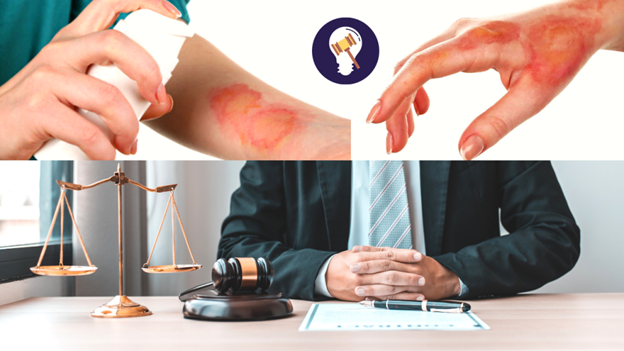
Medical documentation is crucial in burn injury cases. It serves multiple purposes, from medical treatment to legal proceedings. When someone suffers a burn injury, the details recorded by healthcare providers can significantly influence their treatment and the outcome of any related legal claims.
Suppose you or someone you know is involved in such a case. Contact a burn injury lawyer immediately to ensure all necessary documentation is handled correctly and preserved.
Why Medical Documentation Matters in Burn Injuries
Burn injuries can range widely, from first-degree burns to life-threatening full-thickness burns. Accurate documentation captures the specifics of the injury, including the depth, size, and location of the burn, which is critical for guiding treatment decisions.
Medical professionals assess these factors using standardized methods, such as determining the total body surface area (TBSA) affected and categorizing burns by degree (first, partial thickness, full thickness). This information helps plan immediate care, such as wound cleaning and dressing, and longer-term treatments, like skin grafts or rehabilitation.
Beyond clinical care, medical documentation is indispensable in legal contexts. It establishes the existence and extent of the injury, links the injury to its cause, and supports compensation claims.
Detailed records, including medical histories, treatment notes, photographs of the wounds at various stages, and follow-up reports, create a comprehensive narrative of the injury and recovery process. This evidence is vital in proving liability and damages, especially when negligence or product defects are involved.
In case of a burn injury at work, documentation helps verify whether safety protocols were followed and identifies potential employer liability. Such records strengthen both medical assessments and legal claims, ensuring the injured party receives appropriate care and compensation.
Key Elements of Effective Burn Injury Documentation
Proper documentation should include several components to be useful medically and legally:
- Detailed Description of the Injury: This consists of the burn’s depth, size, and anatomical location, specifying laterality (left or right side) and the exact body parts affected.
- Photographic Evidence: Photos taken at different stages provide objective visual proof of the injury’s progression and healing, which can be critical in court.
- Medical History and Treatment Records: Notes on the patient’s overall health, pre-existing conditions, treatments performed (such as debridement or dressing changes), and responses to therapy are essential.
- Incident Details: A clear account of how the burn occurred helps establish causation and liability. This may include eyewitness statements and incident reports.
- Follow-Up and Prognosis: Documentation of ongoing care and expected future medical needs supports claims for long-term damages and rehabilitation costs.
The Impact on Legal Claims
Medical records are often the most persuasive evidence in burns-related personal injury cases. They validate the injury’s severity and the necessity of medical interventions, which insurers and courts rely on to determine compensation.
Documentation is essential to establishing the injury’s link to the incident or to justify claims for pain, suffering, and future medical expenses. Furthermore, well-maintained records protect against attempts by defense parties to downplay injuries or attribute them to unrelated causes.
Wrap Up
Medical documentation is foundational in managing burn injury cases. It supports effective clinical care, ensures accurate injury severity assessment, and plays a pivotal role in legal claims.
From initial treatment through recovery, detailed and precise records form the backbone of both medical and legal processes, helping to secure fair outcomes for those affected by burn injuries.