The Key to Injury-Free Training: Proper Positioning
Whether you’re a professional athlete or a casual gym-goer, training smart is just as important as training hard. One of the most overlooked yet critical components of injury prevention is body positioning. From weightlifting and cardio to yoga and mobility drills, the position of your joints, limbs, and spine directly impacts how your body handles stress. Mastering proper positioning isn’t just about perfecting your form, it’s the cornerstone of staying healthy and progressing effectively. Injury-free training starts long before the first rep. It begins with awareness.
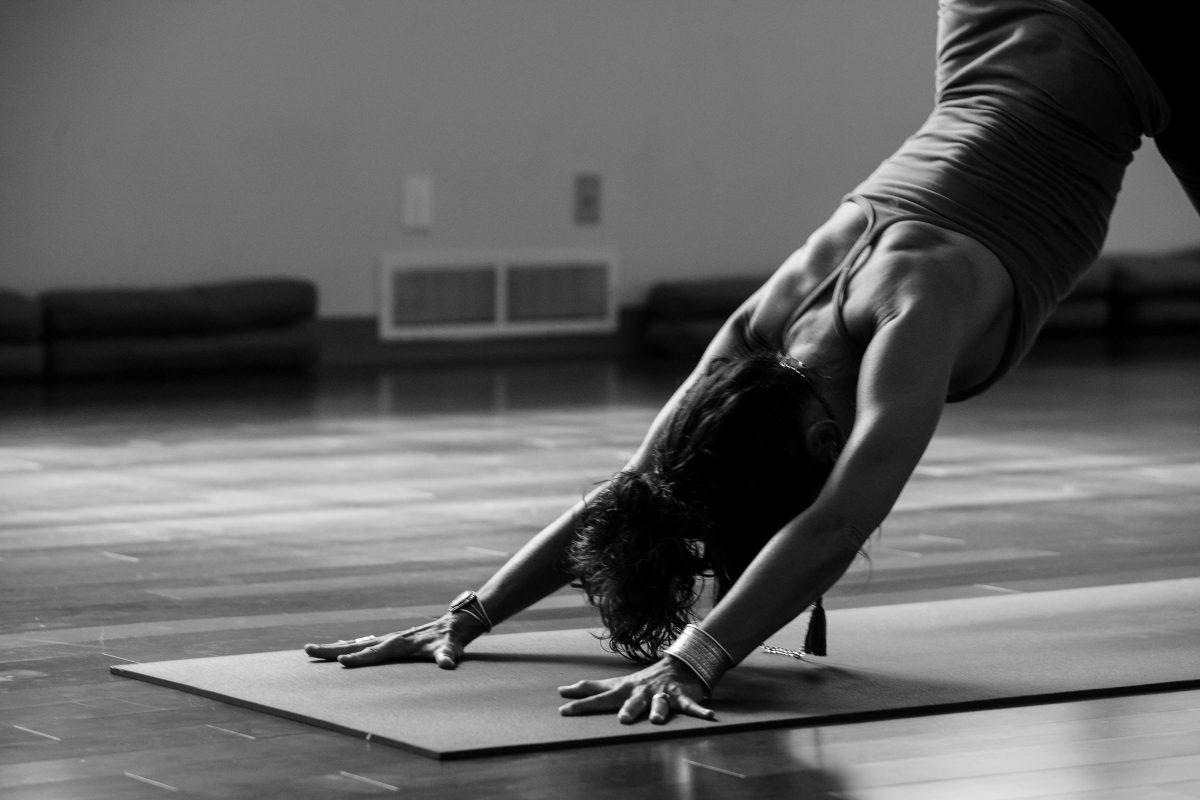
Why Positioning Matters More Than You Think
Most injuries that occur during training don’t result from catastrophic events, they’re cumulative. Microtraumas caused by repeated poor movement patterns wear down joints, strain muscles, and inflame tendons. Over time, this can lead to chronic pain, mobility restrictions, and full-blown injuries like herniated discs or torn ligaments.
Proper positioning distributes force evenly across muscles and joints, allowing the body to work as an integrated unit. It ensures that your movements are mechanically sound, efficient, and sustainable.
Technique Cues and Mental Awareness
Even experienced lifters can fall into poor habits if they aren’t actively monitoring their technique. Mental cues, like “chest proud,” “knees out,” or “brace the core”, help reinforce optimal positioning throughout an exercise. These cues create a mental checklist that keeps you present and aligned during each movement. One effective way to internalize these cues is by understanding anatomical position in anatomy, which serves as a baseline reference for all joint and limb movements. Knowing what correct alignment looks like anatomically allows you to identify deviations and self-correct on the fly.
Positioning Versus Posture
Many people confuse posture with positioning. While posture refers to the body’s alignment at rest, like sitting or standing, positioning refers to alignment during movement. Proper positioning accounts for dynamic changes as you transition through exercises, like maintaining a neutral spine while squatting or bracing the core during a plank.
This distinction is important because it emphasizes that form must be actively maintained under load or fatigue. Good posture alone won’t protect you during explosive or repetitive activities if positioning breaks down during motion.
The Role of Core Stability
A strong, engaged core is foundational for proper positioning. The core acts as a stabilizing platform, allowing limbs to move safely and powerfully. Without adequate core engagement, exercises like deadlifts, lunges, or even overhead presses can place excessive strain on the lower back or shoulders.
A study published in the Journal of Strength and Conditioning Research found that core activation significantly reduced spinal shear forces during compound movements. This underscores why planks, anti-rotation drills, and proper breathing techniques are integral to injury prevention.
Joint Stacking and Limb Alignment
One of the most effective principles in injury-free training is joint stacking. This means aligning joints vertically, such as knees over ankles in a squat or wrists over shoulders in a push-up. This alignment ensures that skeletal structures bear the load rather than relying on soft tissues like ligaments and tendons.
Failure to stack joints properly can lead to muscular imbalances, tendinitis, or even joint dislocation over time. Training in front of a mirror, recording videos, or working with a coach can help you identify and correct misalignments early.
Shoulder and Hip Positioning
The shoulders and hips are ball-and-socket joints with a wide range of motion, but that mobility makes them vulnerable. Poor scapular positioning during bench presses or overhead lifts can lead to impingement, rotator cuff strain, or labral tears. Likewise, incorrect hip alignment during squats or lunges can stress the lower back and knees.
Athletes can prevent these issues by maintaining retracted scapulae during upper-body lifts and neutral pelvis positioning in lower-body work. These simple adjustments ensure that muscular engagement is prioritized over joint wear.
Movement Prep
Proper positioning begins before you lift a single weight. Dynamic warm-ups and mobility drills help reset joint alignment and activate stabilizing muscles. Exercises like hip openers, shoulder CARs (controlled articular rotations), and thoracic spine mobilization prepare the body for complex patterns.
Skipping movement prep can cause muscles to “cheat” during workouts, relying on dominant muscle groups and putting weaker areas at risk. Five to ten minutes of targeted prep can improve positioning and dramatically reduce injury likelihood.

Pain is not the only indicator of a problem. Tightness, asymmetry, and unusual fatigue are often early signs that your positioning is off. Taking the time to listen to your body’s cues, and making adjustments accordingly, is one of the most effective ways to prevent injury. Training smarter means staying attuned to these signals and being proactive, not reactive. Long-term progress is built on a foundation of healthy, injury-free movement.