
How Virtual Education Is Transforming Learning Opportunities Across Different Age Groups
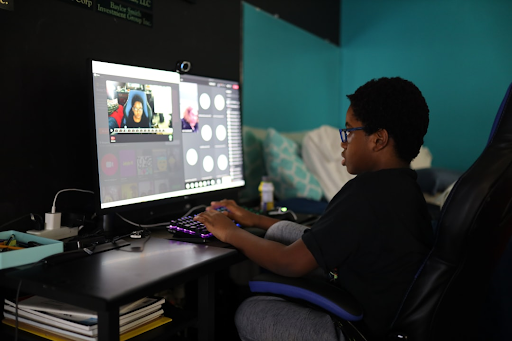
Virtual education has become more than a convenient alternative to traditional schooling. It has emerged as a major force in reshaping how people of all ages access and experience learning. Whether a young student attending classes from home, an adult upskilling for a new career, or a senior exploring creative interests, the flexibility and accessibility of online education are reaching more learners than ever before.
The appeal lies in its adaptability. Different life stages bring unique needs and expectations, and virtual education adjusts to meet them. It offers autonomy to learners, opens new pathways for growth, and removes longstanding barriers such as geography, mobility, and rigid scheduling. What was once a niche solution is now a cornerstone of modern education.
Expanding Early Learning in the Home Environment
For young children, online education presents an opportunity to start learning in familiar, comfortable surroundings. Many families have turned to virtual platforms to introduce literacy, math, and critical thinking skills without leaving home. This shift gives parents and guardians a more active role in the educational process, allowing them to observe, support, and even co-learn with their children.
Well-designed virtual programs for this age group incorporate storytelling, movement-based learning, and interactive visuals to maintain engagement. In many cases, lessons are delivered in short, structured segments that reflect attention spans and developmental needs. The format works best when combined with parental guidance and offline play, blending structure and freedom in a way that supports early growth.
Making K–12 Education More Accessible and Individualized
Students in primary and secondary school benefit from online learning when it’s tailored to their pace and personal learning style. Virtual programs allow for individualized instruction that traditional classrooms can’t always provide. Struggling students can revisit concepts, while advanced learners can move ahead without waiting for the rest of the class.
In many states, virtual education is available as a complete alternative to public school attendance. These programs cover core subjects, provide certified teachers, and offer structured schedules designed to keep students on track academically. In some districts, hybrid approaches blend virtual instruction with periodic in-person support, giving families flexibility without sacrificing educational rigor.
This approach is particularly valuable in regions where school access is inconsistent. Families seeking structured remote options increasingly turn to providers offering Digital K-12 schooling for New York students, among other types. These platforms deliver a comprehensive curriculum and support that help learners stay competitive and connected, even without a physical classroom.
Empowering College and University Students With Flexibility
Higher education has undergone one of the most visible transformations. Universities now offer entire degree programs online, and thousands of courses are available in every field of study. These offerings are no longer reserved for distance learners or working adults—they are becoming standard options for many students.
Online learning allows for more freedom in class selection, pacing, and even assessment methods. Learners can enroll in courses from institutions across the country without relocating or interrupting other life commitments. This makes advanced education more attainable for individuals managing jobs, families, or other obligations.
Group discussions, virtual labs, and real-time video instruction preserve the social and interactive elements of a college education. These tools create opportunities for collaboration across time zones and cultural backgrounds, building communication skills alongside subject mastery. A 2021 study in The Internet and Higher Education reported that students in well-supported online programs performed as well as or better than their on-campus peers, especially when strong instructor engagement was present.
Supporting Adult Learners and Career Transitions
Adults returning to education for skill development or career changes often find online formats more manageable than traditional ones. Flexible schedules, short course modules, and industry-focused training allow adults to study around work hours and personal responsibilities. This accessibility makes it easier to explore new fields or earn credentials without starting from scratch.
Certifications in areas like IT, project management, or digital marketing can be earned online in weeks or months. These programs focus on practical application and often include tools for job placement or portfolio building. For many adults, this streamlined learning path leads to promotions, salary increases, or entirely new career directions.
Beyond professional development, virtual learning also caters to lifelong learners pursuing interests such as photography, language study, or music theory. These programs feed curiosity and support cognitive health, helping adults stay mentally active and engaged with the world around them.
Enriching Learning Opportunities for Seniors
For older adults, virtual education provides intellectual stimulation and social connection. Many retirees enroll in online classes to continue exploring topics they love or learn new skills in a relaxed, non-competitive environment. Virtual platforms remove common barriers such as transportation and physical mobility, allowing seniors to stay connected and mentally sharp from the comfort of home.
Courses designed for older learners often include extra accessibility features like larger text, clear audio, and simplified navigation. Some platforms offer facilitated discussions, group projects, or live lectures, encouraging interaction and helping combat isolation. These opportunities build community and purpose, both of which contribute to overall well-being.
As digital literacy increases among older generations, demand for high-quality virtual learning continues to grow. The availability of diverse and engaging content has made online education a lifelong companion, not just a temporary substitute.

Virtual education has redefined what it means to learn across every stage of life. From a child’s first phonics lesson to a retiree’s deep dive into history, digital platforms are opening doors that once seemed closed. With accessible tools, flexible design, and a growing focus on quality, virtual learning continues to expand the boundaries of who can learn, how they learn, and when they choose to begin.


