Strategies That Maximize Output in Greenhouse Settings
Maximizing output in greenhouse settings is a challenge that many agriculturalists face as they strive to produce more food with limited resources. Whether you’re a seasoned grower or just entering the horticulture industry, understanding the best practices can lead to improved yield and efficiency. Factors such as technology integration, plant management, and environmental controls play crucial roles in cultivating a thriving greenhouse operation. A comprehensive grasp of these strategies can significantly enhance productivity and sustainability within your growing environment.
Optimizing Environmental Conditions
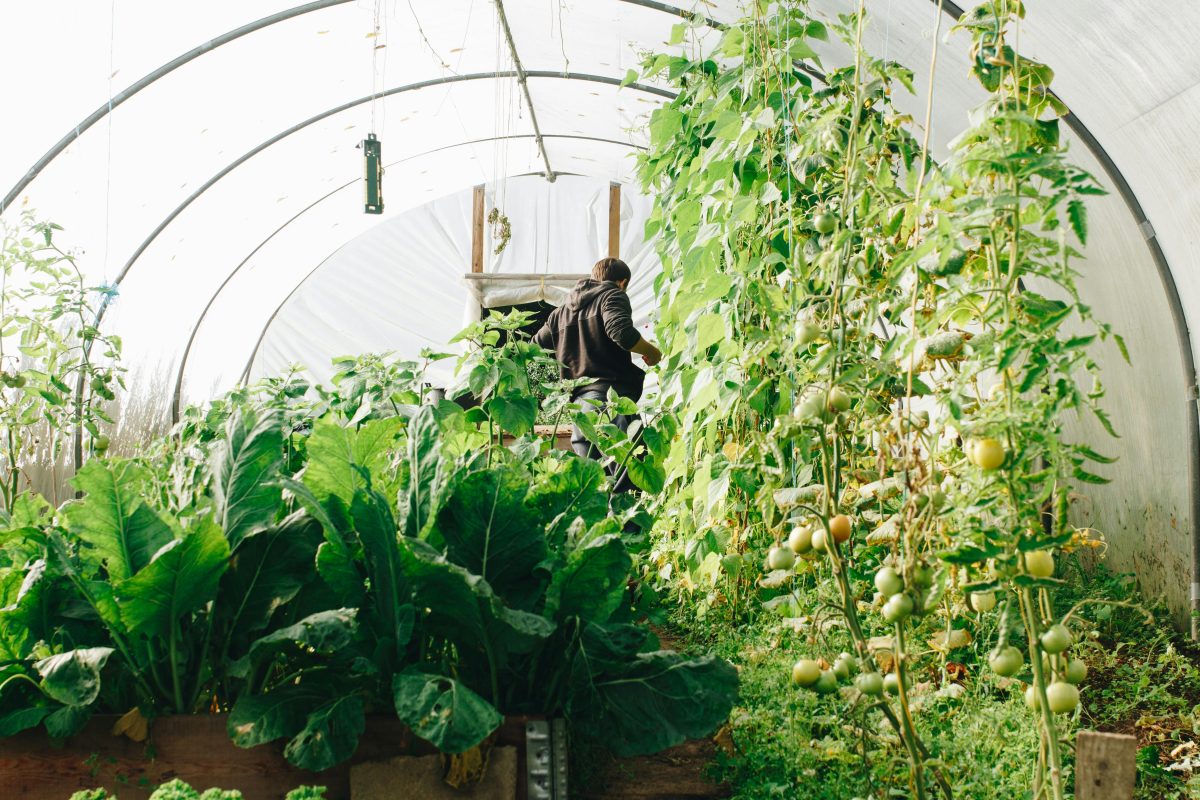
The environment inside a greenhouse directly affects plant growth and productivity. Managing temperature, humidity, and light is vital. Proper ventilation helps regulate temperature and humidity levels, preventing conditions that could promote disease or hinder growth. Automated systems for monitoring environmental factors can provide real-time data and control, allowing for timely adjustments.
Utilizing shade cloths or double-layer glazing can improve insulation and reduce heat fluctuations, particularly in varying climates. Assessing and adjusting these factors regularly positions growers for successful outcomes. Creating a consistent and controllable environment leads to healthier plants and maximizes output.
Implementing Smart Irrigation Techniques
Water management is another crucial aspect of greenhouse efficiency. Employing smart irrigation systems helps minimize water use while ensuring that plants receive adequate moisture. Technologies such as drip irrigation and automated timing systems allow for precise water delivery. This conserves water and enhances root development, and reduces the risk of fungal diseases caused by overwatering.
Sensors that monitor soil moisture levels facilitate data-driven decisions about when and how much to water. Implementing these techniques can improve water efficiency by up to 90%. Growers aiming to maximize output should closely monitor their irrigation practices, as water stress directly impacts plant health and productivity. If you’d like to explore advanced irrigation systems in more detail, there are websites where you can compare different technologies, learn about smart controllers, and discover solutions tailored to various landscapes. You can explore the site and potentially find products and systems that cater to these needs. Adopting these technologies is a forward-thinking step toward sustainable and profitable greenhouse operations.
Choosing High-Quality Seeds and Genetics
The foundation of a successful greenhouse operation is the cultivation of high-quality seeds and plant genetics. Selecting varieties that are suited to your specific climate and cultivation conditions ensures that crops will thrive. Investing in seeds with proven performance records leads to increased yields and improved pest and disease resistance.
Utilizing tissue culture or grafting techniques can introduce superior genetic traits to plants, further enhancing productivity. Regularly updating your genetic stock prevents stagnation and promotes adaptation to changing environmental conditions. Consistent evaluation of available seed options and emerging technologies ensures that you make informed choices. A focus on genetics pays dividends in long-term output and profitability for your greenhouse.
Embracing Sustainable Practices
Sustainability is becoming increasingly significant in modern agriculture. Implementing eco-friendly practices can improve yields while benefiting the environment. Techniques such as crop rotation, integrated pest management (IPM), and organic fertilizers enhance soil health and reduce reliance on synthetic chemicals. Exploring alternative energy sources, such as solar or wind power, can lower operating costs and contribute to sustainability efforts.
Maintaining biodiversity within the greenhouse can enhance resilience against pests and diseases. Many growers find that sustainable practices meet the demands of environmentally conscious consumers and provide a competitive edge in the market. Embracing sustainability in greenhouse operations sets a solid foundation for maximizing output while minimizing environmental impact.
Investing in Advanced Technologies
Modern greenhouse management increasingly relies on advanced technologies. Innovations in automation, climate control systems, and IoT devices can lead to smarter, more efficient operations. Automated systems often include sensors that monitor and control various aspects of the greenhouse environment, allowing for more precise management of variables such as temperature, humidity, and nutrient levels.
By leveraging these technologies, growers can optimize every stage of production. Data analytics can provide insights into growth patterns and resource use, facilitating continuous improvement. Investment in technology streamlines labor while ensuring that crops receive the best possible care. As the agricultural landscape evolves, staying updated on technological advancements becomes imperative for maximizing output in greenhouse settings.
Effective Pest Management
Successfully managing pests is a vital component of maximizing greenhouse productivity. Integrated pest management strategies emphasize prevention, relying on cultural practices that reduce pest pressure. Understanding pest lifecycles and behavior can inform the timing of interventions and selection of effective control methods.
Biological controls, such as introducing beneficial insects, can mitigate pest populations while minimizing chemical applications. Monitoring systems allow for early detection, crucial for swift responses to potential outbreaks. Regularly assessing and adapting pest management strategies ensures that they remain effective as pest populations evolve. Proactive measures can prevent significant yield losses, safeguarding the greenhouse’s productivity.
By focusing on these core strategies, growers can enhance their productivity while ensuring that they are operating responsibly in today’s shifting agricultural landscape. As you implement these techniques, remain committed to learning and adapting for continued growth.