How To Choose Safe Delta 8 Gummies: Checking Lab Reports & Ingredients
Wellness products are not all the same.
In recent years, there has been an explosion of plant-based supplements that claim to either relax, focus, or provide a mild high. Like many such products, some live up to their promises, while others carry risks due to poor quality control, unverified ingredients, or misleading labels.
The distinction is frequently a matter of how carefully a product is tested and what exactly is in the package.
Cannabinoids are especially true of this. And from CBD oils to THC edibles, buyers have dozens of options. Of these, Delta-8 gummies have generated a significant amount of buzz. Billed as a milder, federally legal alternative to traditional THC products, they provide a balance between relaxation and clarity that is unmatched.

But as popularity grows, so does the risk.
Not all Delta 8 on the market is produced safely. Understanding how to shop for gummies in terms of purity and safety is key for buyers.
So, how do you go about selecting the safest Delta 8 gummies, considering lab reports, ingredients and reliable sourcing methods?
Let’s discuss it further!
1. Begin With A Trusted Source
The first place to start when selecting safe Delta 8 products is to stick with reputable, established brands. Many small or lesser-known suppliers take shortcuts in testing and formulation.
The best Delta 8 gummies are consistently made with strict quality control, unlike many of the competitors. This all comes down to the third-party testing and transparency.
Reputable brands ensure:
- Accurate delta 8 THC concentration
- Free of residual solvents, heavy metals, and pesticides
- Ingredient lists are transparent without artificial additives
Products that are not tested could be exposed to harmful byproducts from extraction that is not adequately regulated.
It’s another reason why consumers should be wary of brands that don’t publish test results.
2. Learn How To Read Lab Reports (COA)
Laboratory reports aren’t marketing — they’re scientific evidence that a product does meet safety and potency standards. Before purchasing Delta 8 gummies, consumers should familiarize themselves with these documents.
A valid COA should cover:
- Cannabinoid profile: Provides details on the specific amount of Delta 8 THC and other cannabinoids.
- Purity testing: Tests for contaminants like pesticides, heavy metals, and the presence of molds or bacteria.
- Solvent remnants testing: Confirms that no neurotoxins from extraction are left in the product.
Medical research emphasizes this process. An article emphasized that 3rd party testing is a must for the safety of customers in new THC marketplaces.
Products with oblique or unclear data (or without a Certificate of Analysis, COA) should be avoided. The one thing that is non-negotiable in cannabinoid wellness products is transparency.
3. Read the Ingredient List for Additives & Allergens
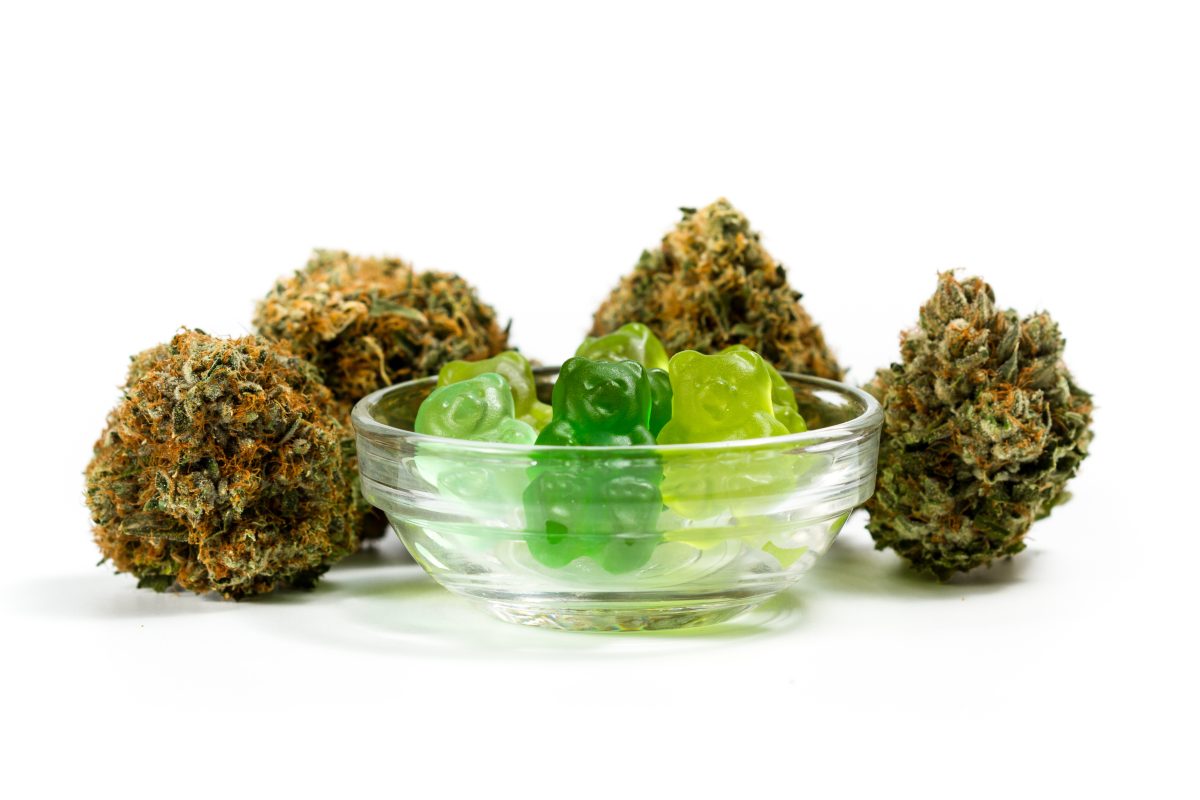
In addition to lab reports, product labels can provide great information. While ingredients in Delta 8 gummies typically include cannabinoids, gelatin, sweeteners and flavorings, not all ingredients are the same.
Watch for:
- Artificial colorings or synthetic preservatives can cause allergic reactions or digestive problems.
- High-fructose corn syrup or excessive added sugars which detract from the health benefits of the product.
- Mystery chemical add-ins—Stay away from anything listed as “proprietary blend” if you can’t see what’s in it.
Some brands will list their ingredients on their packaging. This means that those who consume such products can do so with confidence, knowing that they are suitable for them in terms of both cannabinoid wellness and broader dietary safety.
4. Know the Legal and Dosing Guidelines
Delta 8 THC is in a legal gray area in some areas.
Although it’s legally allowed under the 2018 Farm Bill at the federal level if it’s derived from hemp, a few states have taken it upon themselves to enact some type of regulation.
When choosing gummies, always check:
- Amount of THC: Must be less than 0.3 percent dry weight, as required under federal law.
- Transparent dosing: Trustworthy brands provide a milligram-per-gummy breakdown, allowing users to dose with confidence.
- Mislabeling of edibles: Mislabeling THC is on the rise, especially regarding the strength issue. Consuming more than expected from mislabeled edibles can have undesirable effects, and no one wants an overdose of THC.
5. Check the Brand Credibility and Customer Reviews
Finally, consider broader brand credibility. Outside of lab reports and ingredients, a brand’s reputation in the cannabinoid space speaks volumes about its dependability.
Look for:
- Customer reviews are posted on independent platforms, not just the company’s website.
- Genuine companies are open and talk to their followers.
- Industry awards or accolades in the field of cannabinoid product competitions.
Final Thoughts
Delta 8 gummies are a perfect discreet, fun, and delicious way to get your daily dose of cannabinoids without the intense high you can get from other medical and recreational marijuana products. However, like any supplement, the safety of the product depends on informed consumer use.

By focusing on reputable sourcing, transparent lab reports, clean and simple ingredients, legal compliance, accurate dosing, and a verified brand reputation, consumers can add Delta 8 gummies to their wellness regimens with confidence.
They don’t take much time to verify, but neglecting them can result in bad experiences or unwanted health hazards. Consider lab reports and ingredient labels required reading, not fine print.
Delta 8 products are not going the way of the dodo — at least for the brands that prioritize science and safety in their operations, and the consumers who seek them.