Dental Crowding: Causes, Risks, and Fixes
Summary Points:
- Dental crowding has multiple causes, from genetics to childhood habits and jaw development.
- Untreated crowding can affect oral health, comfort, and confidence.
- Early evaluation allows timely intervention and simpler treatment.
- Orthodontic options range from braces to aligners, with surgical solutions for severe cases.
- Professional guidance identifies the best path to lasting oral health and a confident smile.
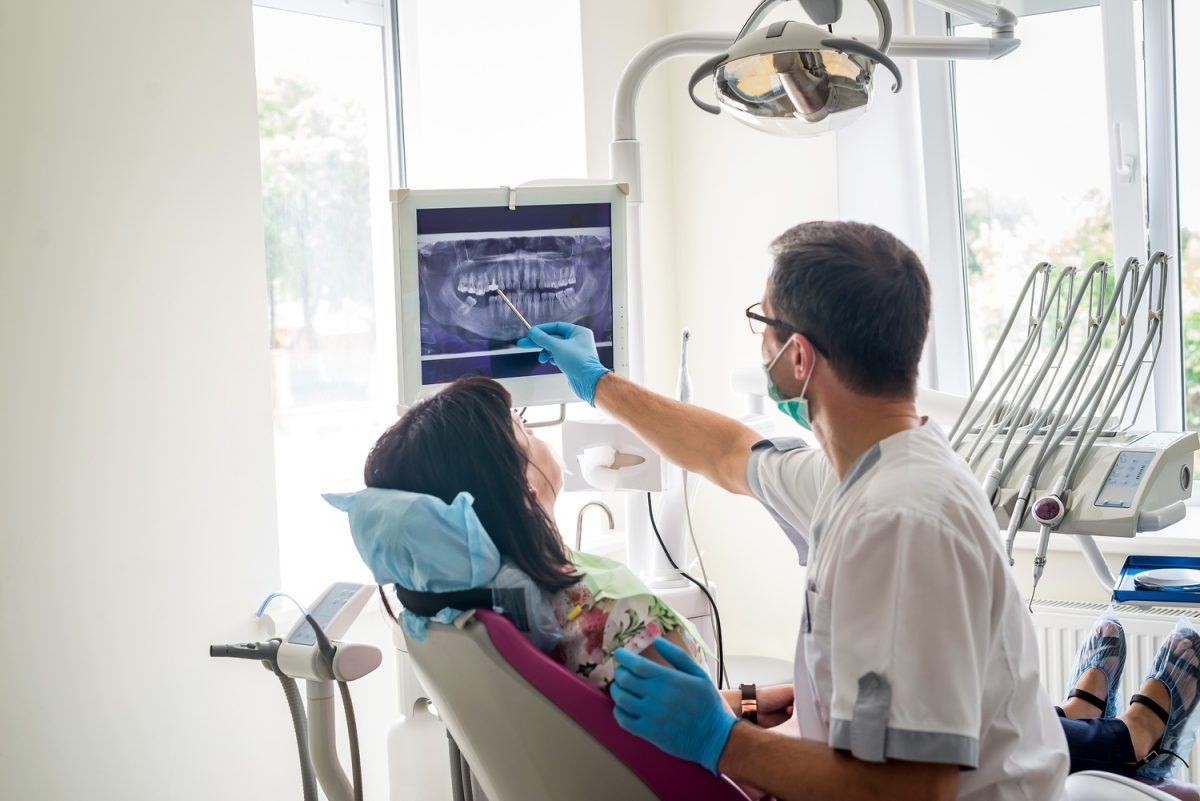
Crowded teeth affect children, teenagers, and adults alike. Some notice it when baby teeth fall out and permanent teeth start pushing through at odd angles, while others only realize the change much later when chewing or smiling feels different. Dental crowding happens when there is not enough room in the jaw for teeth to settle in a healthy position.
The reasons behind dental crowding are layered. Genetics play a part, but childhood habits, early tooth loss, or unexpected growth patterns can also trigger it. Untreated, it can make dental care harder and increase the chance of long-term issues. On the other hand, modern dentistry offers a range of solutions, from simple early interventions to advanced treatments that bring teeth back into a healthy alignment.
This article explains what causes dental crowding, the risks that come with leaving it untreated, and the treatment options available today.
What Dental Crowding Looks Like
Dental crowding can take several forms, and the way it appears often depends on the age of the patient and the space available in the jaw. In children, crowding sometimes starts when baby teeth fall out earlier or later than expected, leaving gaps or overlaps that affect how permanent teeth erupt. For teenagers, it often becomes more noticeable as permanent teeth settle into positions that feel uneven or cramped. Adults may notice that their teeth gradually shift over time, especially if they did not receive orthodontic treatment when younger.
The severity of crowding ranges widely. Some people only have mild crowding, which causes teeth to appear slightly rotated or a little too close together, while others face moderate crowding where teeth overlap enough to interfere with cleaning and alignment. Severe cases can result in crooked teeth that cross over each other, creating visible irregularities and functional problems.
Crowding also doesn’t always affect the entire mouth. It may be limited to the lower front teeth, where space is naturally tighter, or show up in the upper jaw, where extra teeth or misaligned growth patterns can create pressure. The uneven placement can cause teeth to erupt at odd angles, making the smile look less balanced and sometimes altering how the bite fits together.
Seeing dental crowding is not always about the outward appearance alone. Dentists often notice it during routine exams when teeth are difficult to floss between, or when overlapping edges suggest that alignment is shifting. These early signs are important because even small irregularities can progress over time if left unaddressed.
Causes of Dental Crowding
Crowding rarely has a single cause. Most cases develop from a combination of inherited traits, growth patterns, and habits picked up in early years.
Genetic factors
Family history plays a strong role. A small jaw size can be passed down, as can larger-than-average teeth. When the jaw and tooth size don’t match, the lack of space makes it harder for teeth to line up in a healthy position. Patterns like this often show up across generations.
Developmental and childhood habits
Habits in early childhood can also set the stage for crowding. Thumb sucking, prolonged use of a pacifier, or mouth breathing influence how the jaws grow. Losing baby teeth too soon or holding onto them for too long can affect how permanent teeth erupt, sometimes causing gaps in one area and overlaps in another.
Structural and biological factors
Sometimes the jaw develops in a way that creates imbalances. A misaligned jaw can change the way teeth come in, leading to overlapping or crooked teeth. Extra teeth or teeth that don’t erupt normally add pressure to the existing lineup. Wisdom teeth are a well-known example since they often erupt late, pushing against nearby teeth and contributing to crowding. To learn more about why wisdom teeth are commonly removed, you can read more here.
Lifestyle and environmental contributors
Not all causes are genetic or developmental. Poor dental hygiene can allow shifting over time if gums weaken or teeth lose support. Injuries to the face or jaw can also alter alignment, forcing teeth to move into less stable positions.
When the different causes of crowding stack up, the impact doesn’t stop at how teeth look. Those shifts can also affect oral health and comfort, which is why the risks of leaving crowding untreated deserve closer attention.
Risks and Complications of Untreated Dental Crowding
When dental crowding is left untreated, the effects can reach into everyday comfort, long-term oral health, and even self-confidence.
Oral health risks
When teeth overlap or sit at odd angles, it becomes harder to reach every surface during brushing and flossing. Food particles and plaque often remain trapped in tight spaces, which raises the chance of cavities. The same buildup can irritate the gums, leading to inflammation or infection. Over time, untreated crowding may also speed up enamel wear as teeth grind unevenly against one another.
Functional problems
Crowding can also affect how the bite works. Misaligned teeth sometimes make chewing less efficient, forcing the jaw to work harder. Some people develop speech difficulties if the tongue doesn’t have enough room to move freely. In more advanced cases, the strain on the bite can contribute to jaw pain or discomfort around the temporomandibular joint, which connects the jaw to the skull.
Aesthetic and psychological impact
Even mild irregularities can influence how someone feels about smiling or speaking in public. Crooked teeth often draw attention, and people may become self-conscious about their outward appearance. Repeated moments of hesitation can weaken confidence and make social interactions feel strained.
Leaving dental crowding untreated rarely keeps the problem at its current level. Teeth continue to shift, gums react to the added stress, and habits like clenching or grinding can make everything worse. The only way to know how serious crowding has become is through a proper dental evaluation, which is where diagnosis and assessment come in.
Diagnosis and Assessment
Dentists and orthodontists rely on a combination of observation and diagnostic tools to determine how severe dental crowding is. The process usually begins with a visual estimation during a routine checkup. A trained eye can often spot when teeth are overlapping, tilted, or leaving too little room for proper cleaning.
Professionals often use X-rays or digital scans. These images provide a clearer view of the jaw, tooth roots, and the way permanent teeth are positioned under the gums. In some cases, impressions or digital models are taken to measure space precisely and see how the bite comes together. These methods help reveal whether the problem is limited to mild crowding of teeth or part of a larger alignment issue.
Dentists also classify crowding based on severity, mild, moderate, or severe, which helps guide treatment planning. For example, moderate crowding might not cause immediate pain but can still make dental care more difficult and set the stage for complications later. Severity ratings also give patients a clearer sense of what to expect if treatment is needed.
Assessment sets the stage for practical decisions about timing, treatment options, and long-term outcomes. Early diagnosis gives patients a chance to act before the problem worsens, while adult evaluations often focus on how to correct existing misaligned teeth without disrupting daily life.
Fixes and Treatment Options
Dental crowding can be managed in several ways, and the best option depends on age, severity, and overall oral health. Treatment focuses on placing the teeth in a healthy position so the bite functions properly and the smile feels natural.
Early interventions in children
Children’s jaws are still developing, which gives dentists a chance to guide how permanent teeth come in. If a child loses baby teeth too soon, dentists sometimes use space maintainers to hold the gap open until the permanent teeth erupt. This prevents neighboring teeth from drifting and creating unnecessary overlap.
Palatal expanders are another tool used during growth years. They gently widen the upper jaw, creating space for permanent teeth to settle. Expanders work best when the jaw is still developing, making them a common choice for children around eight to twelve years old.
Orthodontic treatments for teens and adults
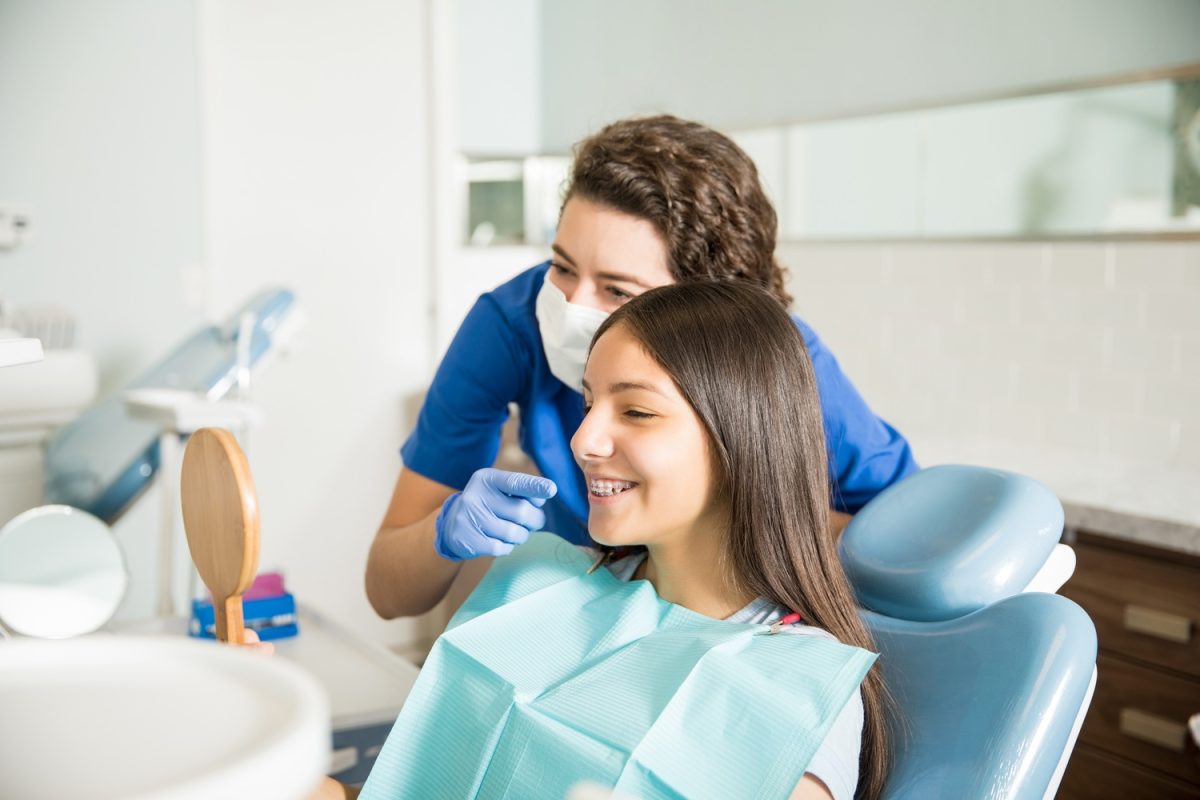
For many patients, braces remain the most reliable method of correcting crowding. Traditional metal brackets are durable and effective, especially in complex cases. Ceramic braces work the same way but are less noticeable, blending more with the natural color of teeth.
Clear aligners have become a popular alternative to braces. These aligner treatments involve a series of trays designed to gradually shift teeth into place. They can be removed for meals and brushing, which supports dental hygiene during treatment. Aligners are most effective for mild to moderate cases, though advances in design are expanding their use for more complex misaligned teeth.
Lingual braces are another option. They attach to the back of the teeth instead of the front, making them less visible. While they may take some time to adjust to, they appeal to adults who want orthodontic treatment without a noticeable outward appearance.
Advanced or surgical solutions
In severe cases, dentists may recommend extracting one or more teeth to create space for alignment. This step is usually reserved for cases where overcrowding cannot be corrected any other way.
Jaw-related issues may require more specialized care. A misaligned jaw can cause functional problems that orthodontics alone cannot fix. In those situations, orthognathic surgery is considered. The procedure repositions the jaw so teeth can move into a healthy position afterward. While it sounds intensive, combining surgery with orthodontics can provide long-term stability and a confident smile.
Complementary and supportive treatments
Once active treatment ends, retainers are used to hold teeth in their new positions. Without them, teeth can gradually shift back, especially in the first few years after correction. Some retainers are removable, while others are fixed behind the teeth for maximum comfort and stability.
Other supportive treatments may include cosmetic options such as a porcelain veneer for a tooth that remains uneven after orthodontic work. Though not a substitute for full correction, veneers can improve alignment visually when combined with orthodontic care.
During any of these treatments, regular dental care remains essential. Patients need professional cleanings and checkups to reduce risks of cavities or gum disease while appliances are in place. Success depends on the appliance chosen but also on cooperation and consistent follow-up visits.
A qualified expert will guide the process, explaining which methods have the highest success rate in each case. While some patients prefer faster solutions, others may value maximum comfort or the least visible option. The right plan balances all these factors to achieve lasting results.
FAQs and Common Concerns
Does dental crowding always need treatment?
Not all cases require orthodontic correction. Mild cases may not interfere with chewing, speaking, or dental hygiene, so dentists sometimes recommend observation rather than immediate action. Still, even mild crowding of teeth can make brushing and flossing harder, so regular checkups help track whether the condition is staying stable or progressing.
How long do treatments usually take?
Treatment timelines depend on the severity of the case and the chosen method. Traditional metal braces may remain in place for eighteen to twenty-four months, while aligner treatments can sometimes resolve moderate crowding in about a year. More complex cases, such as those involving a misaligned jaw, may take longer because orthodontics must work in stages or be combined with surgical intervention.
Is dental crowding painful?
Crowding itself does not always cause pain, but the pressure it creates can sometimes lead to sore gums or teeth that feel sensitive. Once treatment begins, patients may experience temporary discomfort as teeth shift. Most describe it as pressure rather than sharp pain, and adjustments are designed to keep movement gradual for maximum comfort.
Are there options besides braces and aligners?
Some cosmetic fixes exist, but they do not replace orthodontic treatment. A porcelain veneer, for example, can improve the look of slightly crooked teeth but does not change how they fit in the bite. Dentists may suggest this when the issue is more aesthetic than functional. For lasting correction, braces or aligners remain the most reliable choices.
Conclusion
Dental crowding is common, but it doesn’t affect everyone in the same way. Some cases remain minor, while others lead to discomfort and long-term complications. What matters most is recognizing when it’s time to seek guidance.
Modern dentistry provides answers, from early care in children to advanced treatments for adults. Each case of crowding is different, and treatment can restore function, protect health, and create a smile that feels natural to share.