Self Storage 101: Everything You Need to Know Before Renting a Unit
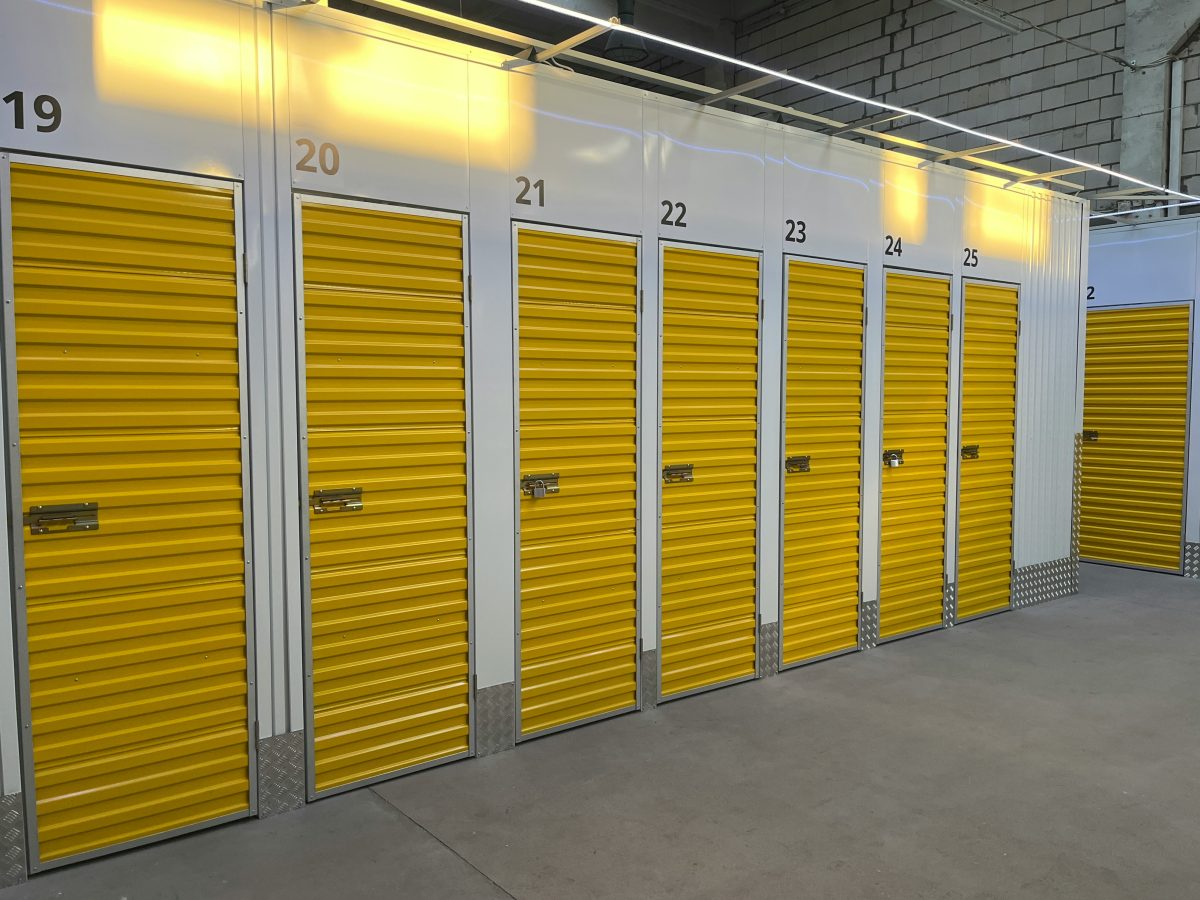
Renting a self-storage unit can be a practical solution for those who are downsizing, moving, or simply running out of space at home. With flexible options available, people can store furniture, seasonal items, or even business inventory in a secure facility. But before you sign a rental agreement, it’s important to understand how self-storage works and what to consider to ensure your belongings remain safe and accessible.
Understanding Different Types of Storage Units
Not all storage spaces are created equal, and the type you choose should match your needs. Some facilities offer climate-controlled units, which are ideal for sensitive items like electronics, documents, or wooden furniture that can warp in fluctuating temperatures. Drive-up units, on the other hand, provide convenience for heavy or bulky items since you can park your vehicle directly outside.
For people comparing facilities, location is also a factor. Many Adelaide residents look for storage units in Hackham because proximity makes frequent visits more manageable. Beyond convenience, choosing a unit type that aligns with what you plan to store will save you time and prevent damage down the road. Facilities may also offer specialty units for vehicles, wine collections, or business records, giving customers more tailored options.
Evaluating Security Measures
Security should be one of your top priorities when renting a unit. Modern facilities often feature 24/7 surveillance cameras, gated access with individual codes, and on-site staff for additional oversight. Some even include individual alarms for each unit, making it harder for intruders to go unnoticed.
When evaluating a facility, ask about lighting in the hallways and outdoor areas, since well-lit spaces discourage theft. Also, check whether locks are provided or if you’ll need to purchase your own. A sturdy disc lock is typically recommended for added protection. According to the Self Storage Association of Australasia, security is the second most important factor for renters after price, so facilities often compete on safety features. Ensuring strong security measures will provide peace of mind that your items are safe even when you’re not around.
Calculating the Right Size for Your Needs
Picking the right size can be trickier than it seems. Units can range from small lockers to spaces large enough to fit the contents of a four-bedroom house. Choosing too small a unit may force you to stack items unsafely, while overestimating could leave you paying for space you don’t use.
Many facilities offer size guides or even virtual calculators to help you estimate the correct fit. A five-by-five unit might be perfect for boxes, seasonal décor, or small furniture, while a ten-by-ten can accommodate larger items like sofas or appliances. If you are storing a vehicle or business stock, larger units may be required. Taking inventory of your belongings before renting will help you avoid clutter and wasted money, and speaking directly with facility staff can provide useful guidance based on their experience with similar customers.
Considering Rental Costs and Contracts
Price is another key factor, but the cheapest option is not always the best. Rental costs vary depending on location, unit size, and whether climate control is included. Some facilities offer discounts for long-term rentals or promotions for first-time customers. A study from IBISWorld showed that storage demand rises during economic transitions, which can affect pricing trends in different regions.
Always read the fine print in your rental agreement. Ask about deposit requirements, late fees, and what happens if you need to end your lease early. Understanding these details upfront will prevent unpleasant surprises and ensure the cost stays within your budget. Remember that some facilities may also raise rental fees periodically, so clarify whether the rate is fixed or subject to change during your lease term.
Organizing and Packing for Efficiency
How you prepare your belongings can make a huge difference in both space utilization and ease of access. Use sturdy boxes of uniform size so they can be stacked neatly. Label everything clearly on multiple sides, and keep frequently used items near the front for quick retrieval.
Protect fragile items with bubble wrap or packing paper, and cover furniture with breathable cloths instead of plastic to avoid moisture build-up. Creating aisles within your unit can also help you navigate without moving everything around each time you visit. Professional movers often recommend leaving a small space between boxes and walls for airflow, which can prevent mold or mildew. A thoughtful packing strategy will extend the life of your possessions and reduce frustration later.
Reviewing Insurance Options
Even the most secure facilities can’t guarantee protection against natural disasters or unforeseen accidents. That’s why insurance is an important consideration. Some facilities require proof of coverage before you can rent a unit, while others offer their insurance plans.
Check with your current homeowners or renters insurance provider to see if your belongings are already covered while in storage. If not, facility-offered insurance can be a convenient solution. Having coverage in place ensures that your possessions remain protected, giving you added security beyond locks and cameras. The relatively small monthly cost of insurance is well worth it compared to the potential loss of valuable items.

Before renting a storage unit, taking time to evaluate your options can save money and protect your valuables. From choosing the right type and size to understanding contracts, security, and insurance, preparation is key. With the right approach, a self-storage unit can provide the extra space you need without unnecessary stress.