Root Canal Treatment vs. Tooth Extraction: What’s the Better Option?
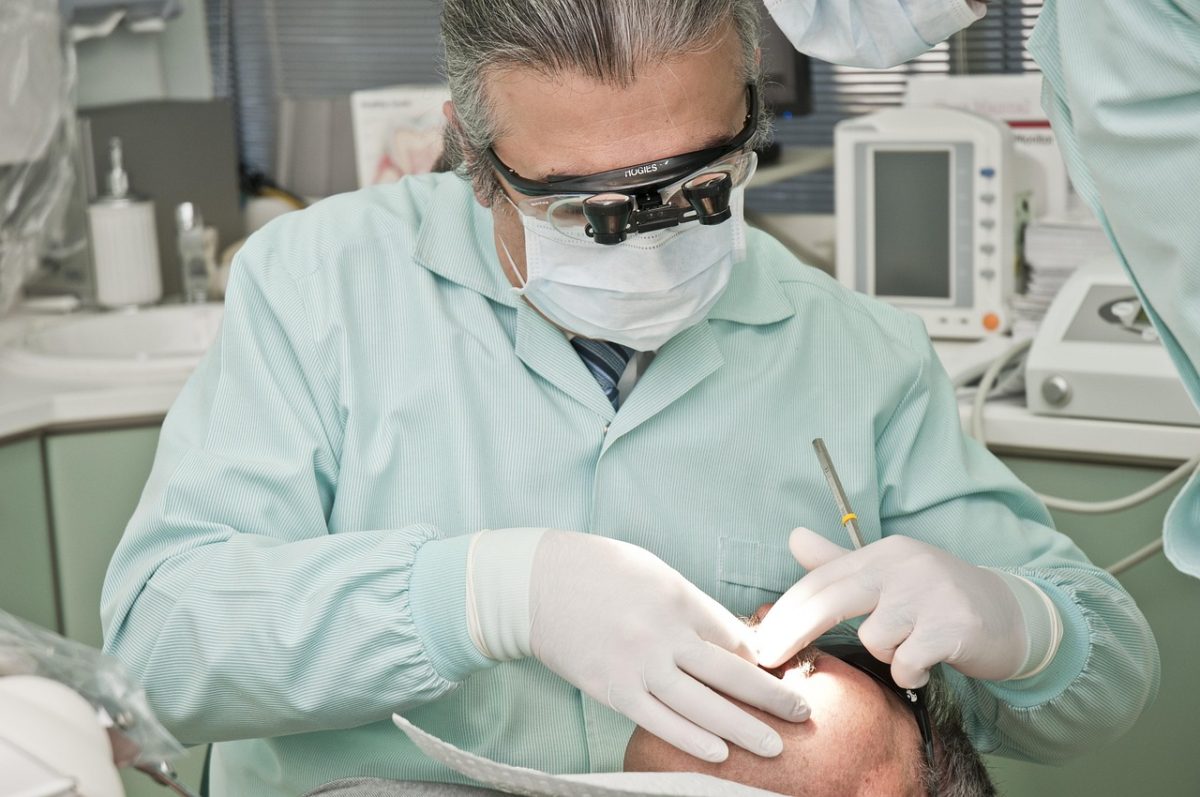
When faced with severe tooth pain or decay, many patients are left with two main options: root canal treatment or tooth extraction. While both procedures aim to resolve the problem, they serve very different purposes and lead to different long-term outcomes. Cloverdale Dental helps patients understand the pros and cons of each option so they can make informed decisions that prioritize health, function, and aesthetics.
Tooth pain or infection can be overwhelming, and in the moment, removal may seem like the easiest solution. However, preserving natural teeth through root canal treatment often has more advantages, especially when long-term oral health is considered.
This article compares these two treatment paths, discussing their benefits, drawbacks, and the situations in which each may be most appropriate.
When Is Root Canal Treatment Recommended?
Root canal treatment is a dental procedure used to save a tooth when the inner pulp—the soft tissue inside the root—becomes inflamed or infected. Rather than removing the tooth entirely, the dentist removes the damaged pulp, disinfects the root canals, and fills them with a sealing material.
Common reasons for root canal therapy include:
- Deep decay reaching the tooth’s pulp
- A cracked or broken tooth exposing the nerve
- Chronic tooth sensitivity or pain
- Infection or abscess near the root
Root canal treatment allows patients to retain their natural tooth while eliminating pain and halting the spread of infection.
At Cloverdale Dental, root canal therapy is performed with precision and care, using modern tools and anesthesia to ensure a smooth, comfortable experience.
When Is Tooth Extraction Necessary?
Tooth extraction becomes the preferred option when a tooth is beyond repair. In some cases, there’s not enough healthy structure left to support a filling or crown, or the infection has progressed too far into the surrounding bone.
Common reasons for extraction include:
- Severe decay with significant structural loss
- Advanced gum disease causing tooth mobility
- Impacted wisdom teeth
- Recurrent infections that haven’t responded to treatment
- Preparation for orthodontic work in crowded mouths
While extractions remove the problem quickly, they also leave a gap that can affect chewing, alignment, and jaw health if not addressed with a replacement option.
Cloverdale Dental Centre performs extractions only when necessary, and always discusses restorative options to maintain the function and appearance of your smile.
Comparing Healing Times and Recovery
Root canal recovery is generally quicker and less disruptive than extraction. After a root canal:
- Most patients return to daily activities the same day or the next
- Mild soreness may last a few days
- A crown is usually placed to restore full function
With extraction:
- Healing typically takes one to two weeks
- There may be swelling and dietary restrictions
- A replacement solution (like an implant or bridge) is often needed later
Preserving the tooth with root canal treatment often reduces the total treatment timeline and maintains natural oral function.
Cloverdale Dental provides personalized aftercare instructions for both procedures to ensure optimal recovery.
Cost Considerations Over the Long Term
At first glance, tooth extraction may appear to be the more affordable option. However, patients should factor in the cost of tooth replacement. Leaving a gap can lead to shifting teeth, bite changes, and bone loss.
Root canal treatment followed by a crown may cost more upfront but often prevents future dental issues and preserves the natural bite.
Over time, the cumulative cost of implants, bridges, or orthodontics after extraction can exceed that of saving the tooth.
Cloverdale Dental offers transparent pricing and guidance to help patients choose the most cost-effective, health-focused option.
Impact on Oral Function and Appearance
Retaining a natural tooth preserves the integrity of your bite, supports surrounding teeth, and maintains jawbone health. Losing a tooth—especially a visible one—can affect:
- Speech clarity
- Chewing efficiency
- Confidence and appearance
- Bone density in the jaw
A well-performed root canal keeps your original tooth in place, eliminating the need for artificial replacements.
Cloverdale Dental focuses on tooth preservation whenever possible, prioritizing both function and aesthetics for long-term patient satisfaction.
When Extraction May Be the Healthier Choice
There are cases when extraction is the better, safer, or only viable option. These include:
- Teeth with vertical root fractures
- Severely weakened teeth that can’t hold a crown
- Teeth affected by untreatable periodontal disease
- Wisdom teeth that are impacted or causing crowding
In these scenarios, removing the tooth can prevent infection, relieve pain, and improve overall oral health.
When extraction is the right path, Cloverdale Dental ensures the procedure is as comfortable as possible and helps patients explore suitable restoration options promptly.
Replacement Options After Extraction
If extraction is necessary, it’s important to plan for replacement to avoid shifting teeth and bone loss. Common replacement options include:
- Dental Implants: A permanent solution anchored into the jawbone.
- Bridges: A fixed prosthetic that fills the gap between teeth.
- Dentures: A removable option for multiple missing teeth.
Choosing the right solution depends on the number of missing teeth, the condition of surrounding bone, and personal preferences.
Cloverdale Dental guides patients through all available options, ensuring the final result is functional, comfortable, and visually natural.
Final Thoughts: Preservation Is Often Best
Tooth extraction has its place in dentistry, but preserving a natural tooth through root canal treatment often provides better long-term outcomes for function, comfort, and cost.
Cloverdale Dental helps patients make informed decisions by evaluating each case individually. Whether you need root canal treatment or an extraction, their expert team ensures you receive care that’s safe, effective, and aligned with your long-term oral health goals.