From Catastrophic Injury to Confidence: Steps Toward Healing
The aftermath of a catastrophic injury can feel overwhelming, both physically and emotionally. Victims of such incidents often struggle with life-altering changes that impact their daily routines and sense of self-worth. In many cases, it’s emotional and psychological healing play a critical role in reclaiming one’s life. Understanding the process and exploring the necessary steps to heal can empower victims to foster resilience and confidence. This guide delves into practical ways individuals can navigate the long journey of recovery after experiencing severe injuries.
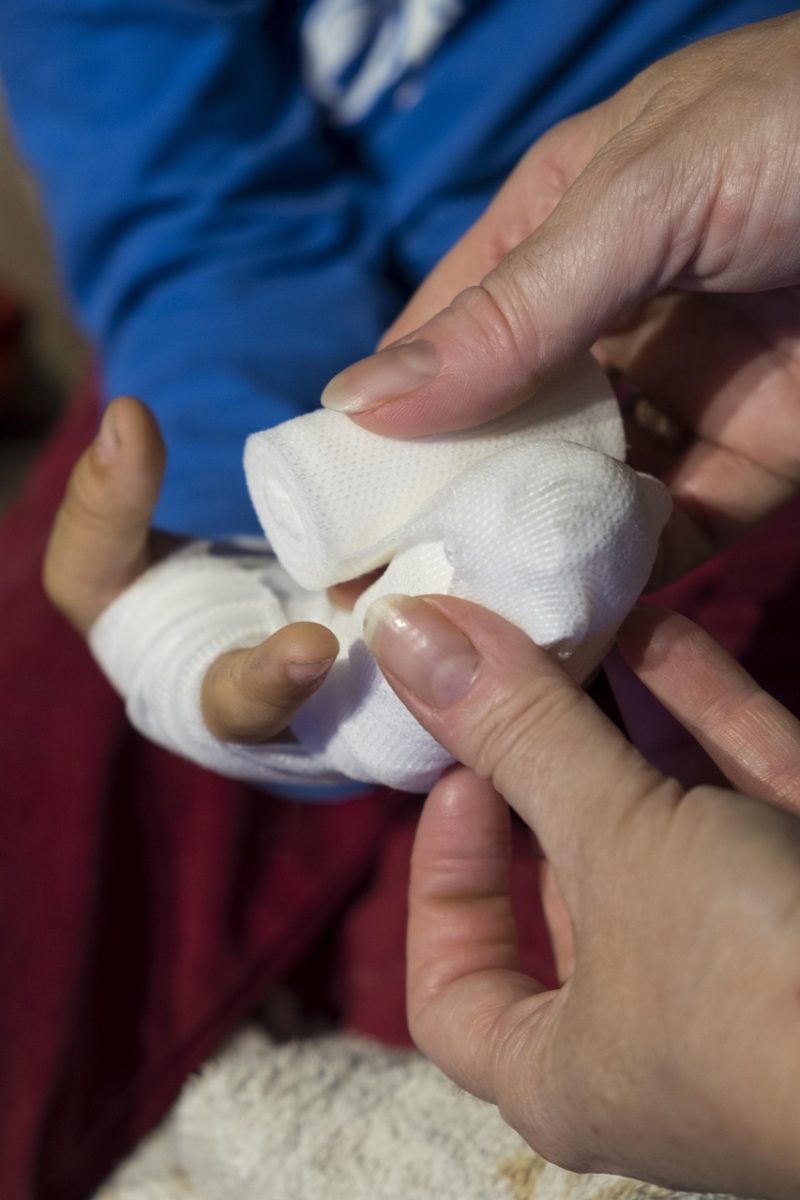
Understanding the Impact of Catastrophic Injuries
Catastrophic injuries encompass a range of traumatic events, including spinal cord injuries, traumatic brain injuries, or significant fractures that require lengthy treatment and rehabilitation. The physical limitations that often follow these injuries can lead to frustration and despair. According to the National Institute of Health, approximately 12,500 Americans experience spinal cord injuries each year. The ripple effects of such trauma extend beyond the immediate physical symptoms, often resulting in severe emotional distress. Victims may experience depression, anxiety, or post-traumatic stress disorder (PTSD) as a result of their injuries. It’s crucial for individuals going through this experience to acknowledge these emotional challenges, as addressing them is key to the healing process.
The Legal Aspect of Recovery
Navigating the legal nuances is often a vital part of recovery for many injury victims. Understanding one’s rights and options can alleviate some stress during a tumultuous time. In many cases, seeking pedestrian legal representation can offer significant benefits to victims, ensuring they receive the compensation they deserve for medical expenses, lost wages, and emotional suffering. This financial support can play a crucial role in facilitating recovery, enabling access to necessary medical treatments and therapies. A skilled lawyer can assist in building a strong case, advocating for the victim’s rights and needs effectively. This legal partnership provides practical help and allows the individual to focus on healing without added stressors or distractions.
Seeking Medical and Therapeutic Support
Accessing medical care is the foundational step toward recovery. A team of healthcare professionals, including doctors, therapists, and nurses, plays a significant role in the rehabilitation journey. Engaging with physical therapy can be particularly beneficial as it aids in restoring movement and function. Mental health support is equally important. Psychologists and counselors can provide strategies to cope with the emotional rollercoaster that often accompanies recovery. Many survivors find value in group therapy, allowing them to connect with others who share similar experiences. This sense of camaraderie can foster hope and motivation as individuals witness others reclaim their lives after trauma. Building a network of support will encourage a strong mindset as one navigates the ups and downs of recovery.
Establishing a Routine for Consistency
Creating a daily routine can provide the structure that many injury survivors find helpful amid chaos. Engaging in regular activities such as exercise, healthy meal planning, and social interaction promotes a sense of normalcy. Establishing goals, both short-term and long-term, can encourage progress. Tracking improvement can be helpful for both physical recovery and emotional growth. Individuals are often amazed by their resilience when they see how far they have come. Journaling can be a powerful tool in documenting these shifts, allowing reflection and celebration of small victories along the way. Progress might be slow or non-linear, but nurturing growth through consistent habits can help improve one’s outlook.
Rebuilding Confidence Through Activities
Finding new or adapted hobbies can reignite passion and creativity, helping to rebuild confidence after a catastrophic injury. Engaging in modified physical activities, creative pursuits, or volunteer work can restore a sense of agency and purpose. Exploring arts or crafts can foster emotional healing, providing an outlet for expression and stress relief. A growing number of local organizations offer programs tailored to those with disabilities, encouraging participation and social engagement. Trying something new every few weeks can spark joy and curiosity, enabling individuals to reclaim their identity beyond the injury. The sense of achievement, no matter how small, can greatly influence emotional well-being. Confidence is honed through perseverance and resilience during rehabilitation, and these newly discovered passions can solidify that growth.
Fostering a Positive Mindset
Mental resilience is fundamental when it comes to overcoming the obstacles posed by a catastrophic injury. Adopting practices such as mindfulness, meditation, or gratitude journaling can foster a more positive outlook. Mindfulness, for example, allows individuals to ground themselves and focus on the present, minimizing anxiety about the future. Practicing gratitude can shift perspectives, helping to appreciate the small aspects of life that continue to bring joy. Surrounding oneself with supportive friends and family can bolster motivation and create a positive environment. This community support acts as a fortress against negativity, encouraging an uplifting narrative that aids in recovery.

Through these outlined steps, those affected by catastrophic injuries can witness a remarkable transformation in their journey to healing. While the road may be fraught with challenges, individuals have the potential to emerge more confident, empowered, and hopeful for the future.
Read more: Why Therapeutic Massage Is Essential for Modern Wellness and Pain Relief
Read more: Why Prompt Action Is Crucial After a Motorcycle Wreck in California
Read more: Life After Impact: How To Cope With The Aftermath Of A Wreck