Building a Functional Office for Long-Term Growth
Creating a workspace that supports sustained growth requires a balance between practical design, efficient technology, and strategic planning. A functional office is more than a place to work; it becomes a foundation for productivity, collaboration, and long-term success. Every decision, from layout to equipment, should be guided by how it will serve the team over the years. This article explores six key elements to consider when building such an office, providing a roadmap for creating a thriving, adaptable work environment.
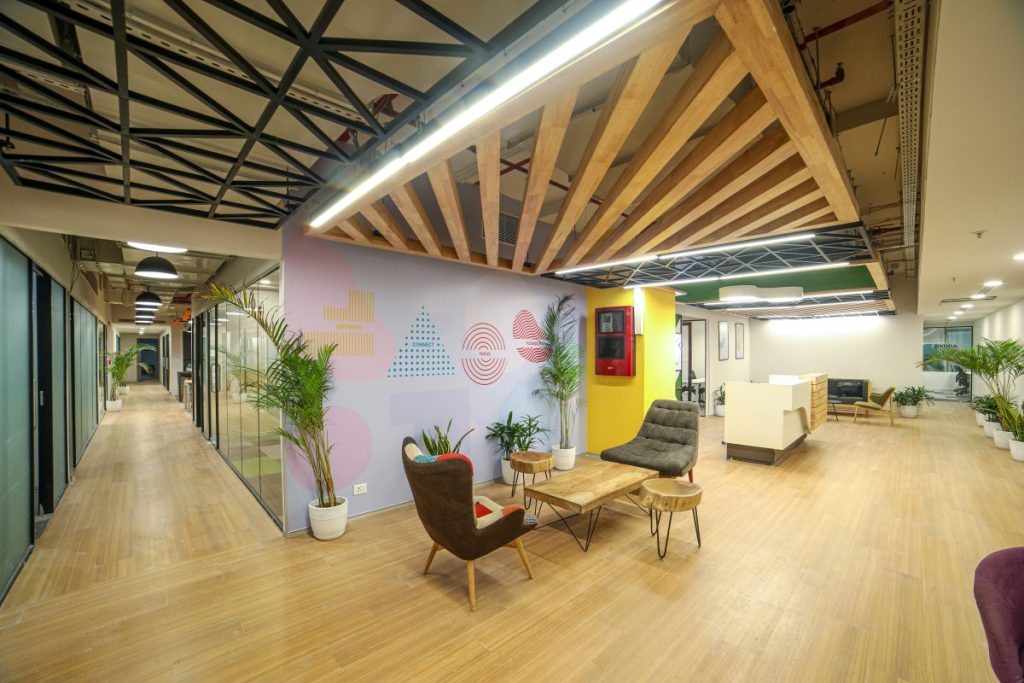
Photo by myHQ Workspaces on Unsplash
Choosing the Right Office Layout
The physical layout of an office space is a significant factor contributing to workflow management, communication, and overall productivity. Designing a plan that incorporates specific zones, ranging from quiet areas dedicated to focused tasks to open environments for group collaboration, is generally seen as a beneficial approach. When reviewing the tools that support daily administrative processes, companies often evaluate automation options for high-volume, routine tasks. A franking machine, for instance, is a device used to efficiently meter and apply postage to outgoing mail, and details regarding this type of specialized equipment are available at industry sources like https://www.fpmailing.co.uk/. Integrating such specialized hardware contributes to reduced manual labor in the processing of physical mail, which helps administrative departments maintain consistent production standards and improve operational efficiency.
Prioritizing Ergonomics and Comfort
A workplace designed with ergonomics in mind contributes to employee well-being and productivity. Ergonomic chairs, height-adjustable desks, and monitor stands help prevent strain injuries and make extended work hours more comfortable. Lighting is another factor that affects productivity; natural light reduces eye strain and supports mental well-being, while artificial lighting should mimic daylight as much as possible.
Temperature control and air quality also matter for comfort and performance. Installing efficient heating, cooling, and ventilation systems keeps the workspace pleasant year-round. Including quiet zones and relaxation areas can give employees a place to recharge, fostering a healthier work culture.
Selecting Technology That Supports Growth
Choosing the right technology is a critical step in building a functional office. Cloud-based tools, integrated communication systems, and reliable hardware contribute to efficiency and flexibility. These tools allow employees to work more effectively and adapt quickly to changing needs.
A key part of this process is identifying technology that will grow alongside the business. For example, scalable network infrastructure ensures the office remains capable as the team expands. Regularly updating systems and software keeps workflows efficient and secure.
Investing in specialized equipment can also deliver long-term benefits. Automatic franking machines, for instance, offer convenience and efficiency for offices with frequent mailing requirements. Integrating such technology ensures your office remains ready for the challenges and opportunities of growth.
Organizing Storage and Workspace Efficiency
Clutter can slow down work and create unnecessary stress. Thoughtful storage solutions keep the office organized and improve productivity. Shelving units, filing systems, and digital document management tools help maintain a clean and efficient workspace.
Storage should be planned to complement the office layout rather than hinder it. Centralized filing areas and easy access to frequently used materials save time and reduce frustration. Digital storage solutions, such as cloud-based file sharing, reduce reliance on physical documents and enhance accessibility for remote or hybrid work arrangements.
Beyond storage, workspace efficiency benefits from a culture of organization. Encouraging employees to maintain tidy workstations and streamline processes can have a powerful cumulative effect on productivity. This practice turns the office into a streamlined environment that supports sustained performance.
Creating Collaborative Spaces
Collaboration drives innovation and strengthens team cohesion. Designing areas specifically for teamwork can improve communication and foster creative problem-solving. Meeting rooms with comfortable seating, interactive screens, and access to essential resources encourage productive collaboration.
Casual spaces such as lounges or café-style areas can promote informal discussions that spark fresh ideas. Flexible spaces that adapt to different group sizes and purposes offer greater value over time.
Technology plays a role in collaboration, too. Video conferencing tools, instant messaging systems, and shared workspaces connect teams across different locations. Integrating these resources into the office ensures seamless communication, keeping everyone aligned and engaged.
By designing spaces that encourage collaboration, organizations create an environment where ideas flourish and productivity grows naturally.
Planning for Future Expansion
When building an office for long-term growth, anticipating future needs is critical. This means planning for more employees, new technology, and evolving workflows. Flexible office design, scalable infrastructure, and adaptable furniture help the space remain functional as the organization grows.
Regularly reviewing the office setup allows adjustments before growth strains resources. Creating a scalable plan for expansion can save significant costs and disruptions later. This includes identifying potential expansion areas and planning for additional equipment, such as advanced mailing solutions.
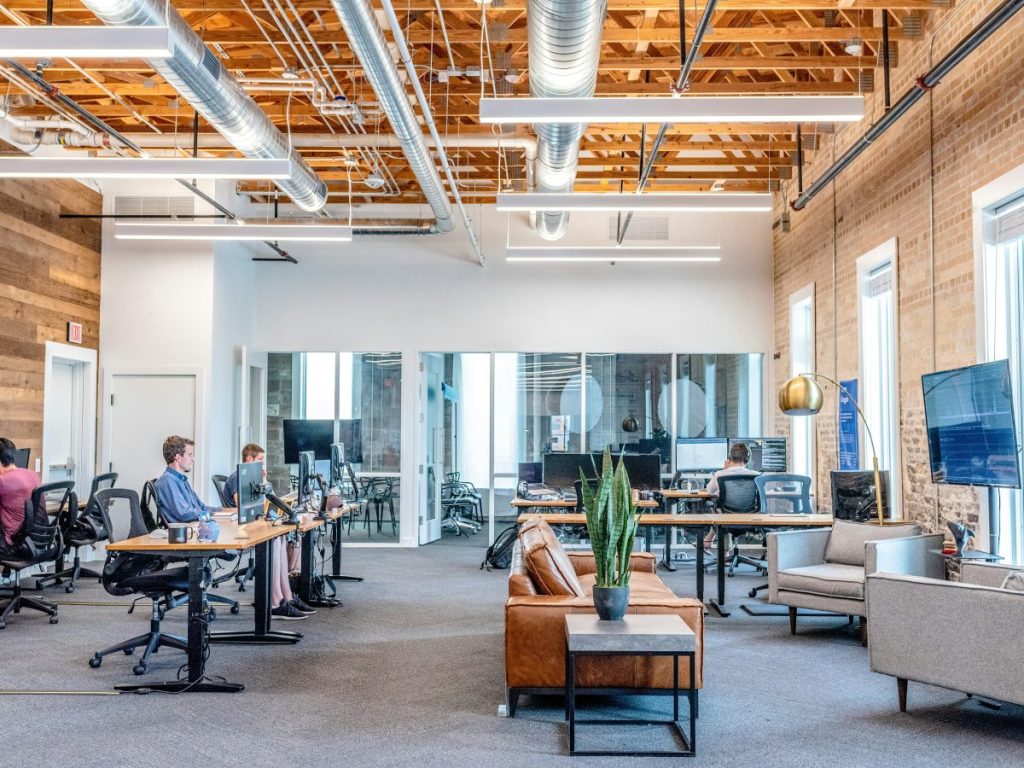
Photo by Austin Distel on Unsplash
Building a functional office is a long-term investment in both people and processes. By creating an environment that supports efficiency and adaptability, businesses position themselves for lasting success.