How to Choose the Right Industrial Electrical Contractor for Your Project
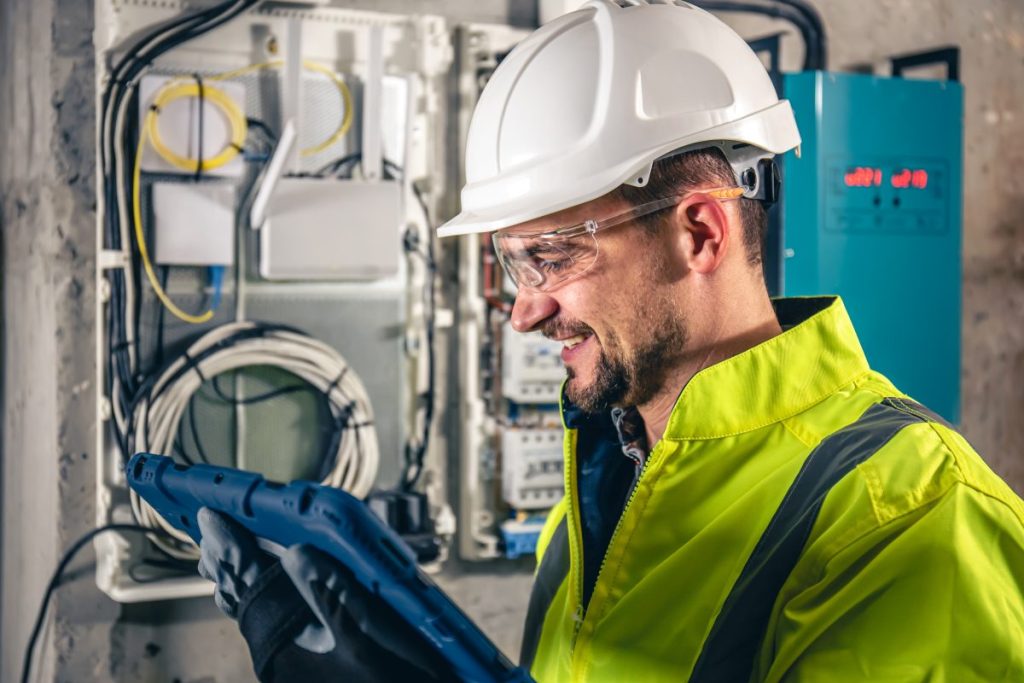
Choosing the right industrial electrical contractor can make or break your project. Whether you’re setting up a new manufacturing facility, upgrading existing systems, or maintaining critical infrastructure, the expertise and reliability of your electrical contractor directly impact safety, efficiency, and long-term operational success.
This guide outlines the key factors to consider when selecting industrial electrical contractors in Australia, ensuring your project runs smoothly, on time, and within budget.
Check Licensing and Compliance
In Australia, all electrical contractors must be fully licensed and insured to operate legally. Always confirm that your chosen contractor holds a current electrical contractor’s licence issued by your state or territory’s regulatory authority (such as Energy Safe Victoria or NSW Fair Trading).
Additionally, ensure they comply with relevant Australian Standards, such as AS/NZS 3000:2018 (the Wiring Rules). This guarantees that all work meets the highest safety and quality benchmarks.
Evaluate Industrial Experience
Industrial electrical work differs significantly from residential or commercial projects. It often involves high-voltage systems, complex machinery, automation, and hazardous environments.
Look for a contractor with proven experience in your industry — whether that’s mining, manufacturing, food processing, or renewable energy. They should understand the unique demands of industrial-scale operations, including downtime reduction, energy efficiency, and strict safety protocols.
Ask potential contractors for case studies or references from previous industrial projects. These will give you a good idea of their capabilities, reliability, and approach to problem-solving.
Assess Technical Expertise and Capabilities
A good industrial electrical contractor should offer a wide range of services and demonstrate up-to-date technical expertise. Key areas to evaluate include:
- Automation and control systems (PLC programming, SCADA integration)
- Power distribution and switchboard installation
- Preventive maintenance and fault diagnosis
- Energy management solutions
- Emergency power systems and generators
The right contractor will have access to qualified technicians, state-of-the-art tools, and modern diagnostic equipment. They should also stay informed about emerging technologies, such as smart sensors, energy monitoring systems, and renewable integrations.
Prioritise Safety and Quality Assurance
Industrial electrical environments are inherently risky. A reputable contractor will have a robust safety management system in place, following standards such as AS/NZS 4801 or ISO 45001.
Ask about their safety record, training programs, and risk assessment procedures. Contractors who prioritise safety not only protect workers but also minimise downtime and costly accidents.
Furthermore, look for contractors who maintain ISO 9001 certification, which ensures consistent quality control across all their operations.
Evaluate Communication and Project Management
Smooth communication is essential in large-scale industrial projects. Choose a contractor with strong project management skills and a clear communication process.
They should provide:
- Regular progress updates
- Transparent budgeting
- Clear timelines and milestones
- A single point of contact
Good communication helps prevent misunderstandings, delays, and unexpected costs, all of which can derail industrial projects.
Review Reputation and Client Feedback
Before signing a contract, spend some time researching your contractor’s industry reputation. Read online reviews, check testimonials, and verify their standing with local trade associations such as Master Electricians Australia or the National Electrical and Communications Association (NECA).
A well-reviewed contractor with repeat industrial clients is often a sign of consistent quality and reliability.
Compare Quotes and Value
While cost is an important factor, the cheapest quote isn’t always the best value. A low-cost bid may reflect shortcuts, unqualified labour, or poor-quality materials. Instead, focus on overall value, including expertise, safety standards, reliability, and after-service support.
Request detailed, itemised quotes from multiple contractors. This helps you compare costs fairly and understand where your investment is going.
Look for Long-Term Support and Maintenance
Industrial electrical systems require ongoing maintenance to operate efficiently and safely. Choose a contractor who offers comprehensive after-service support, including regular inspections, preventive maintenance programs, and 24/7 emergency response.
A partner who provides long-term maintenance contracts demonstrates commitment to keeping your systems running reliably for years to come.
Final Thoughts
Selecting the right industrial electrical contractor is a critical step in ensuring your project’s success. By prioritising experience, compliance, safety, communication, and long-term support, you can confidently partner with professionals who understand your operational needs.
Investing the time to choose wisely will save you from costly mistakes, downtime, and safety risks, giving you peace of mind and a more efficient, future-ready facility.
Read more: What Makes a Good Commercial Electrical Contractor: Tips for Business Owners
Read more: How to Prepare Your Business for a Commercial Electrical Upgrade?
Read more: The Integral Role of Electricians in New Construction Projects