9 Motorcycle Accident Injuries Every Rider Should Know About
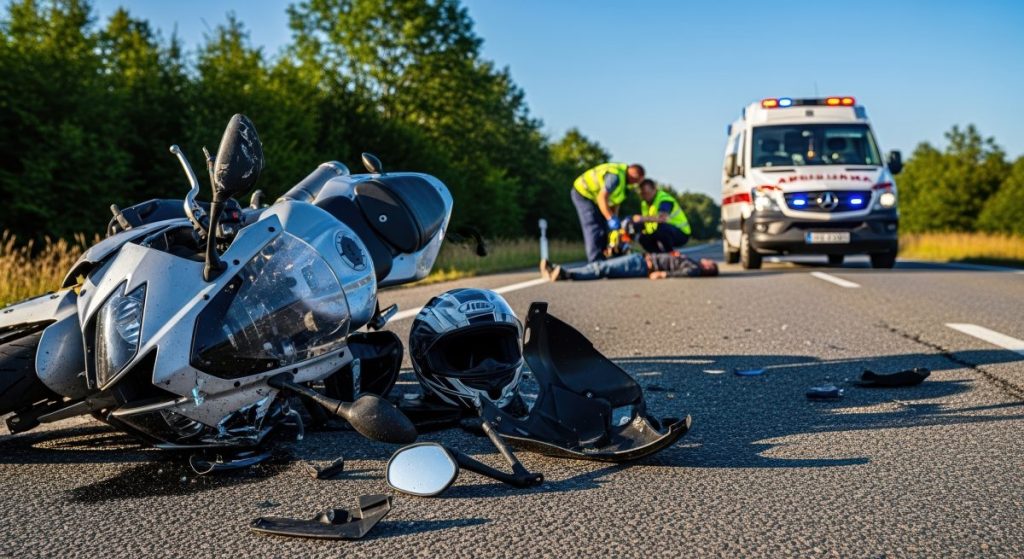
An accident scene on a road with crashed motorcycle, helmet, and debris in foreground; emergency responders attending to person near ambulance in background
Motorcycling brings a kind of freedom that’s hard to describe. The open road, the raw connection to your surroundings, and the thrill of moving as one with your machine all create an experience unlike anything else. Yet even the most seasoned riders know that the same freedom that makes riding so exhilarating can also make it a risky endeavor.
If you’re a rider who lives for that feeling, it’s equally important to recognize what can go wrong. Understanding the types of injuries that commonly result from motorcycle accidents helps you stay alert, prepared, and more aware of potential dangers. Here are the ones you should know before heading out again.
1. Road Rash Injuries
Road rash tops the list because it happens even in seemingly minor accidents. When a rider makes contact with the pavement, skin can scrape across the surface with surprising force. Without protective gear, this friction can remove layers of skin, leading to painful abrasions. Some injuries require only cleaning and bandaging. Others may need medical intervention to prevent infection.
A deeper level of road rash often reaches nerves, muscle, or fat tissue. These severe abrasions can cause long-lasting scarring, limited mobility during recovery, and significant discomfort. Wearing the right gear dramatically reduces the severity of these injuries, yet many riders underestimate how quickly they can occur.
But here’s the problem: If a crash results from someone else’s negligence, the consequences go beyond physical wounds. Medical bills, lost income, and insurance claims can quickly become overwhelming. This is where an Arkansas motorcycle accident lawyer or another reliable legal advocate in your area can greatly assist. They can guide you through the legal process and ensure you receive fair compensation.
2. Head and Brain Trauma
Head injuries are among the most serious because they can affect every part of a person’s life. A helmet significantly limits the damage, yet traumatic brain injuries still happen in high-impact crashes. Even a low-speed fall can cause a concussion if a rider’s head strikes the pavement at the wrong angle.
More severe head injuries may involve brain swelling, bleeding, or long-term cognitive effects. Riders sometimes overlook symptoms, assuming dizziness or disorientation will fade on its own. That delay can exacerbate the injury. Understanding the signs and seeking immediate medical care can be the difference between a short recovery and a lifelong challenge.
3. Spinal Injuries
The spine is delicate. A hard impact can compress vertebrae, damage discs, or injure the spinal cord. These injuries range from mild back pain to partial or full paralysis. Many spinal injuries don’t reveal their full severity right away, which is why riders should avoid moving unnecessarily after a crash until help arrives.
Muscle spasms and nerve pain are also common after spinal impact. These symptoms can interfere with daily activities and may require physical therapy. The more riders know about spinal injury risks, the more seriously they tend to take proper body posture, training, and protective gear.
4. Fractures
Broken bones are another frequent outcome of motorcycle collisions. Arms and wrists are especially vulnerable because riders instinctively reach out to brace themselves during a fall. The force of impact can create fractures that require weeks or months to heal.

A healthcare professional in blue scrubs and gloves wrapping or examining a patient’s arm with white medical bandage.
Leg fractures also occur often, particularly when a bike tips or lands on the rider. A heavy motorcycle can pin a leg and cause severe breaks. Riders who understand how easily these injuries happen are more likely to maintain a safe following distance, avoid sudden maneuvers, and invest in proper riding boots with reinforced protection.
5. Soft Tissue Damage
Muscles, tendons, and ligaments can suffer significant damage in a motorcycle accident, even when no fracture occurs. Twisting, sudden force, or awkward landings can tear delicate tissues. Riders often underestimate these injuries because the pain may seem manageable at first.
However, soft tissue injuries can become debilitating if not treated early. Swelling, stiffness, and chronic discomfort may develop over time. Addressing these injuries with rest, proper treatment, and physical therapy can prevent complications later.
6. Internal Bleeding
Some of the most dangerous injuries are the ones you can’t see. Internal bleeding or organ damage may occur when a rider strikes the handlebars, the pavement, or a vehicle. These injuries can escalate quickly and are considered medical emergencies.
Symptoms such as abdominal pain, dizziness, or shortness of breath may appear slowly. Riders sometimes brush them off, believing stress or adrenaline is the cause. Seeking prompt medical attention after a crash is crucial, even if you think you feel fine at first.
7. Facial Injuries
Full-face helmets provide excellent protection, but riders who use open-face or half helmets are more susceptible to facial trauma. Impacts can cause a broken nose, damaged teeth, jaw fractures, or deep cuts. Even small pieces of road debris can cause facial damage when thrown at high speed.
Reconstructive procedures are sometimes required after significant facial injuries. Riders who have experienced these accidents often become strong advocates for full-face helmets because they understand how quickly the face can be harmed.
8. Shoulder and Collarbone Injuries
The shoulder is a complex joint, and its wide range of motion leaves it vulnerable during accidents. A fall can easily dislocate the shoulder or tear surrounding ligaments. These injuries can be extremely painful and may take a considerable amount of time to recover fully.
Collarbones also fracture frequently in motorcycle crashes. A simple sideways impact can snap this bone, leaving the rider with weeks of immobilization. These injuries remind riders of the importance of shoulder armor and proper positioning while riding.
9. Psychological Trauma
Not all injuries are visible. Motorcycle accidents can trigger anxiety, panic, nightmares, or a fear of riding again. Some riders try to push through these emotions, assuming they’ll fade. For many, the feelings grow stronger over time without proper support.
Proven-tested therapies, support groups, or conversations with experienced riders can help with emotional recovery. Understanding that psychological injuries are just as real as physical ones encourages you to seek help sooner and return to the road with confidence.
Closing Thoughts
Every rider understands that risk is part of the journey, yet awareness changes the way you approach the road. Knowing how the body responds during a crash encourages smarter choices, steadier judgment, and stronger commitment to safety. The more prepared you are, the better your chances of avoiding long-term consequences and protecting the passion that brought you to motorcycles in the first place.