The Difference Between Civil and Criminal Liability After an Accident
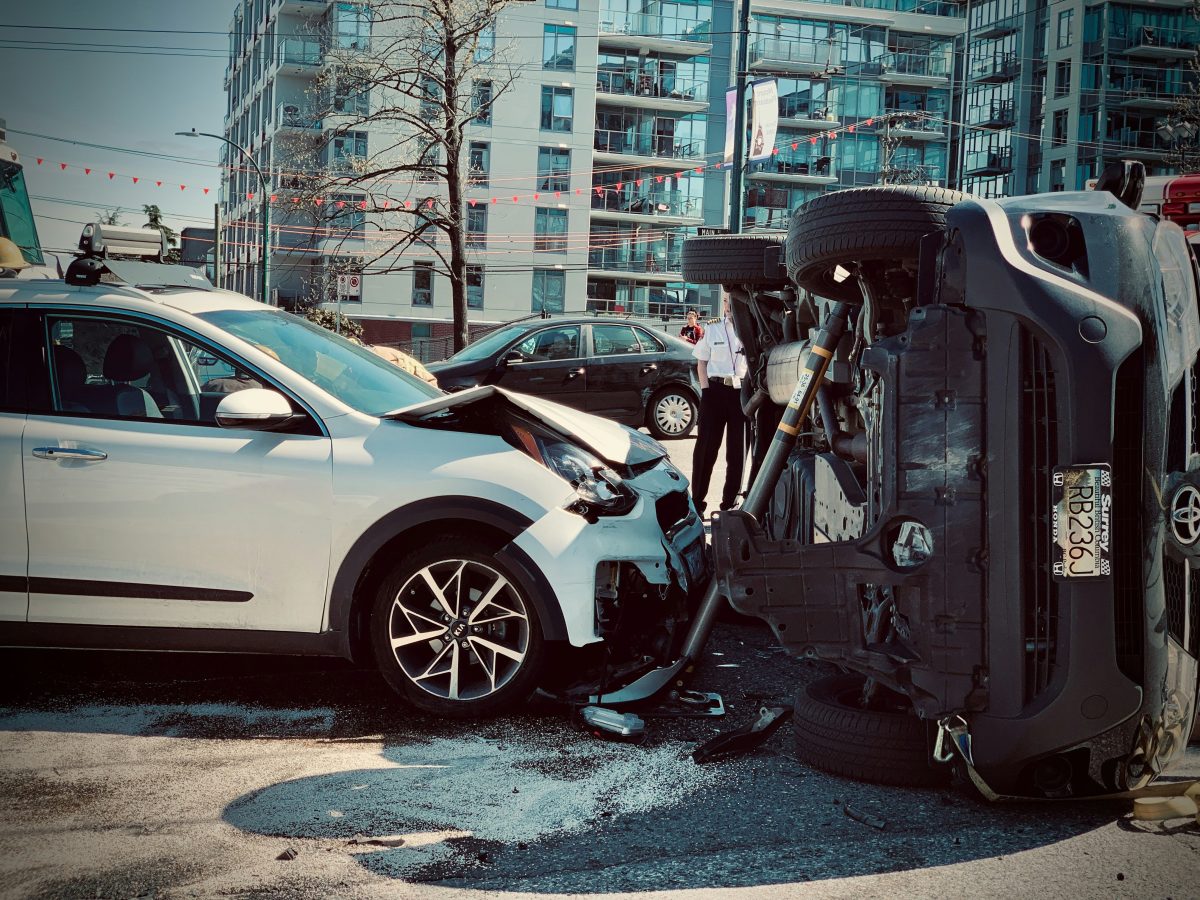
Photo by Anthony Maw on Unsplash
Most people think of accidents as insurance matters. You file a claim, deal with repairs, and move on. However, some accidents carry legal consequences that go beyond insurance and compensation. In certain situations, a single incident can trigger both a civil lawsuit and criminal charges. Understanding the difference between civil and criminal liability helps people know what they are facing and why legal guidance often becomes necessary.
How Civil Liability Works After an Accident
Civil liability focuses on financial responsibility. It asks a simple question: who should pay for the harm caused? After an accident, injured parties may file a civil claim to recover losses such as medical bills, vehicle damage, lost income, or long-term care costs.
These cases are typically handled through insurance companies, but they can also proceed to court if a settlement cannot be reached. Compared to criminal cases, the burden of proof in civil cases is lower. The injured party must show that the other person was more likely than not responsible for the accident. Civil cases do not involve jail time. The outcome is financial, usually in the form of a settlement or court-ordered compensation. Common civil claims after accidents include:
- Medical expenses and rehabilitation costs
- Lost wages and reduced earning ability
- Property damage
- Pain and emotional distress
When an Accident Becomes a Criminal Matter
Criminal liability is about whether a law was broken. After an accident, police may investigate the conduct of the driver or another involved party. If the investigation finds evidence of reckless or unlawful behavior, prosecutors may file criminal charges.
Criminal cases are brought by the state, not the injured individual. The goal is punishment and public safety, not compensation. In criminal cases, the prosecution must prove guilt beyond a reasonable doubt, which is a much higher standard than in civil court. Penalties can include fines, license suspension, probation, or jail time, depending on the severity of the offense. Criminal charges may arise from accidents involving:
- Driving under the influence
- Reckless or aggressive driving
- Hit-and-run behavior
- Vehicular assault or homicide
How Both Types of Liability Can Exist Together
It is possible, and fairly common, for an accident to lead to both civil and criminal cases at the same time. For example, a driver accused of reckless driving can be sued by the injured party for damages while also facing criminal charges.
These cases run separately and follow different timelines. A criminal case may conclude before a civil lawsuit, or the civil case may move forward regardless of the criminal outcome. Evidence from one case can sometimes affect the other, which makes coordination and careful decision-making important.
This overlap is often where people turn to experienced legal professionals, such as Garland, Samuel & Loeb criminal defense attorneys, to understand how criminal proceedings may affect statements, negotiations, or future liability. Legal strategy matters when multiple legal paths are involved.
What someone says or does immediately after an accident can have lasting consequences. Statements given to police, insurance adjusters, or witnesses may be used in both civil and criminal proceedings. Even well-intentioned comments can be misunderstood or taken out of context. This is especially true in serious accidents where injuries or fatalities are involved. Early advice helps prevent small mistakes from becoming major legal problems later.
Endnote
Accidents are not always just accidents in the eyes of the law. When injuries are severe or conduct is questioned, legal responsibility can extend into multiple areas. Knowing the difference between civil and criminal liability helps people understand what is at stake and why the process may feel overwhelming. Having the right knowledge allows individuals to respond thoughtfully, protect their rights, and address both the financial and legal consequences that may follow an accident.