How Local Companies Can Execute a Commercial Move With Minimal Disruption

Photo by Redd Francisco on Unsplash
Relocating a business is complex. Daily operations, employee routines, and customer relationships are all affected. Without structure, downtime can quickly increase costs and damage reputation. Companies that plan early and stay organized can execute a commercial move with minimal disruption while maintaining productivity. Relocation is also a chance to improve workflows, upgrade systems, and learn something new about how your organization functions under pressure. The key is to treat the move as a strategic project, not just a logistical task. With the right roadmap, local companies can protect revenue, maintain team morale, and transition smoothly into a new space.
Why Does Careful Planning Determine Success?
Preparation shapes every part of a commercial relocation. Businesses that invest time in structured planning experience fewer surprises and better coordination.
Start by defining your goals. Are you moving for growth, cost reduction, or improved accessibility? Clear objectives guide every decision that follows. Build a realistic timeline that includes lease deadlines, construction schedules, and vendor coordination. Assign a move coordinator who oversees communication, budgeting, and accountability.
Financial forecasting is critical. Include costs for movers, technology disconnection and installation, storage, insurance, and potential downtime. Identify hidden risks such as building access restrictions or limited parking for loading. Develop contingency plans in case equipment installation is delayed or utilities are not activated on schedule.
When companies take these steps seriously, they position themselves to execute a commercial move with minimal disruption and maintain steady operations throughout the transition.
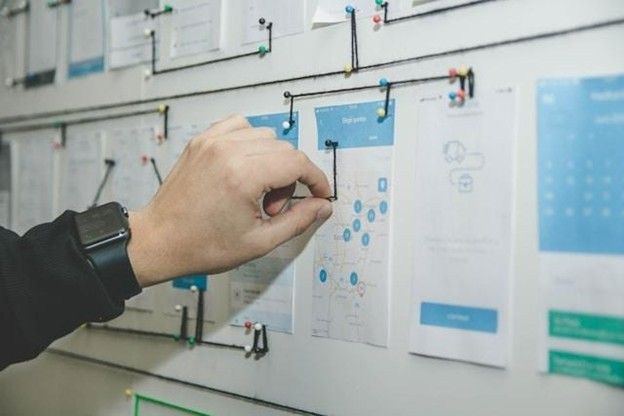
Photo by Alvaro Reyes on Unsplash If you want to execute a commercial move with minimal disruption, you must plan
Build a Move Strategy That Protects Operations
Strategy reduces downtime. Without a clear operational plan, even small oversights can halt productivity.
Begin with department sequencing. Decide which teams will move first and which must remain operational until the final stage. Customer service and sales departments often require uninterrupted access to systems. Plan their relocation carefully to prevent service gaps.
IT planning is essential. Coordinate with technology providers to disconnect, transport, and reinstall servers, routers, and workstations. Back up all data before moving day. Test internet connectivity and phone systems before employees return to work.
Data protection should remain a priority during transport. Secure hardware in locked containers and restrict access to sensitive materials. If you are researching things you need to know when moving business locations, include compliance requirements and industry regulations that apply to your company.
A strong strategy ensures the relocation becomes a structured process rather than a stressful event.
Choose the Right Moving Partner
Professional support makes a measurable difference in commercial relocations. Specialized movers understand timelines, heavy equipment handling, and coordination with property managers.
Look for companies experienced in office and industrial moves. Verify licensing and insurance coverage. Ask about procedures for handling fragile electronics and confidential files. Clarify whether they offer packing services or temporary storage if your new location is not ready.
It can be beneficial to use Golans Moving and Storage as moving help when you need experienced crews and organized coordination. A trusted partner reduces risk and keeps your internal team focused on daily responsibilities.
When businesses select experienced professionals and communicate expectations clearly, they improve their ability to execute a commercial move with minimal disruption and protect valuable assets.

Photo by RDNE Stock project. The right moving partner makes a huge difference
Smart Packing, Labeling, and Asset Protection
The organization reduces confusion on moving day. Without a labeling system, unpacking can take days and delay productivity.
Create a detailed inventory of furniture, equipment, and supplies. Assign codes to departments and mark boxes accordingly. Color-coded labels make unloading faster and reduce misplacement.
Sensitive equipment should be packed using protective materials designed for electronics. Servers, monitors, and specialized machinery require secure wrapping and shock protection. Document serial numbers and condition before transport to simplify insurance claims if needed.
Temporary storage may be required during staggered moves. Understanding common uses for enclosed cargo trailers can help businesses transport tools, equipment, and documents securely while protecting them from weather or theft.
Careful packing shortens setup time and prevents unnecessary operational delays.
Communication Plans That Reduce Confusion
Clear communication prevents frustration. Employees and customers need timely updates to adjust expectations.
Inform staff early about timelines, responsibilities, and workspace changes. Provide checklists so teams understand what they must pack and what movers will handle. Regular updates reduce uncertainty and maintain morale.
Notify clients and vendors about your relocation schedule. Update your website, social media profiles, and business listings with the new address before reopening. Place signage at the former location directing visitors to the new office.
Prepare an internal FAQ addressing parking, security access, and technology setup. Assign managers to answer employee concerns during the transition period.
Transparent communication supports your goal to execute a commercial move with minimal disruption and reassures stakeholders that operations remain stable.
Post-Move Optimization and Performance Check
The move does not end when the boxes are unpacked. A structured review ensures the new location supports efficiency and productivity at work. Test all systems immediately. Confirm internet speeds, phone connectivity, and security access. Verify that shared drives and cloud platforms function properly. Encourage employees to report technical issues during the first week.
Gather feedback from team members about workspace layout and workflow. Minor adjustments early on can prevent long-term inefficiencies. Review your relocation budget and compare projected costs with actual expenses to refine future planning. Evaluate whether the new space improves collaboration, accessibility, or operational flow. Businesses that approach relocation with planning and coordination can execute a commercial move with minimal disruption while strengthening long-term performance.

Photo by Rebrand Cities. Check your team’s performance after the move.
You Can Execute a Commercial Move With Minimal Disruption!
A commercial relocation does not have to disrupt productivity or client trust. With early planning, structured coordination, and clear communication, local companies can stay focused on daily operations while transitioning to a new space. Every stage matters, from budgeting and packing to IT setup and employee updates. When leadership treats the move as a strategic initiative rather than a simple task, results improve across the board. Businesses that prepare carefully and partner with experienced professionals can execute a commercial move with minimal disruption and position themselves for stronger efficiency, better workflows, and sustainable long-term growth.