4 Smart Ways Schools Create Safer Outdoor Play Areas
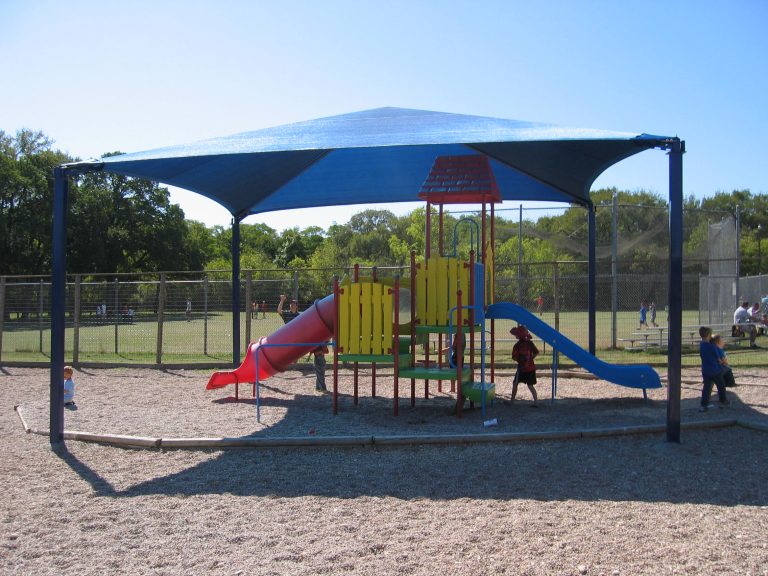
Image from WillyGoat
The approach to safer outdoor play involves shielding students from the sun, building designated rest zones, upgrading to age-appropriate commercial equipment, and maintaining impact-absorbing ground surfaces.
Implementing these foundational strategies ensures school playground safety while fostering active, healthy movement. Properly managed outdoor learning spaces actively contribute to long-term student well-being and physical development.
Step onto a lively schoolyard mid-recess, and the sound of children fully absorbed in play is immediately apparent. This effortless joy exists only because administrators and community leaders make deliberate decisions about the physical space.
There is growing national recognition that time spent outdoors is not merely a break from academic learning, but a direct contributor to it. The adults responsible for these environments want children to play more, and that requires settings that genuinely support safe movement.
1. Shield Students From the Sun
Recess in late spring and early fall often exposes children to peak ultraviolet hours without anyone noticing the intensity of the heat until the damage is done.
Unprotected UV exposure during midday outdoor activity is a documented health concern that significantly increases the risk of long-term skin damage in youth.
Recognizing this reality, responsible sun protection for students must be treated as an essential priority rather than an afterthought.
In a bustling educational setting, passive safety solutions consistently outperform active ones. Permanent overhead coverage protects every child without demanding additional effort from teachers on recess duty.
As schools move toward viewing overhead coverage as a long-term infrastructure investment, well-planned outdoor learning spaces increasingly treat purpose-built playground shade structures from WillyGoat as standard architectural elements.
These solutions give schools the flexibility to match coverage to their existing layout seamlessly.
The ultimate goal is never to limit outdoor time, but to extend it safely. By intentionally positioning shade over high-use zones, local school districts and municipalities can dramatically lower the ambient temperature of the playground.
Shade makes recess in the warmer months genuinely comfortable and enjoyable for everyone.
| Pro Tip: Beyond health benefits, shade structures extend equipment lifespan by preventing UV-related plastic brittleness and keep metal surfaces cool enough to touch safely during peak summer afternoons. |
2. Build In Places to Rest and Recharge
Active play naturally creates its own dynamic rhythm, characterized by energetic bursts of movement followed by necessary short recovery periods.
When spaces are designed without deliberate rest zones, children are inadvertently pushed to sit in unplanned, less visible spots.
Building in dedicated places to rest and recharge serves as both a comfort feature and a vital safety mechanism.
A thoughtfully designed rest zone accomplishes two critical things for school playground safety. It gives children a clear place to pause away from the action, and it provides supervisors with natural sightlines across the broader play area.
Incorporating durable amenities like heavy-duty benches and well-placed picnic tables ensures the area holds up well over time in a high-use school setting.
Furthermore, these designated rest spaces add a vital community dimension to the playground environment. They provide teachers on recess duty with a functional, comfortable post to observe from securely.
These practical strategies remind us that thoughtful spatial design is often about managing the flow of activity as much as the activity itself.
3. Upgrade to Equipment That Earns Its Place
One of the most frequently overlooked risks in outdoor spaces is aging equipment. According to federal statistics, each year, more than 200,000 children require a visit to emergency rooms for play-related injuries.
Furthermore, research indicates that children ages 5 to 9 account for more than half of all playground-related injuries. Upgrading to modern, age-appropriate commercial equipment is a proactive strategy that fundamentally shifts how a space is used safely.
Age-appropriate design involves meticulous calibration to ensure challenges engage children without exceeding their developmental readiness. Fall zones must be explicitly designed for the intended user height, and handholds should be correctly sized for smaller grips.
High-quality commercial-grade play systems distinguish themselves from residential alternatives through rigorous material durability and tested safety ratings. True safety also means true accessibility, ensuring every child can participate fully without physical barriers.
Approaching ADA compliance as a core design philosophy makes the play environment infinitely safer and more socially cohesive. Upgrading these safe recess environments can feel complex, but the most useful professional resources offer end-to-end design consultation.
This support makes the upgrade process highly navigable for administrators managing timelines and safety committees.
| Key Insight: Commercial-grade equipment represents a lower total cost of ownership than residential models. Its modular design allows for future repairs and additions without requiring a full site replacement. |
4. Keep the Ground as Safe as What’s Above It
The most carefully chosen play system still poses unnecessary risk if the surface beneath it cannot adequately absorb the energy of a fall.
Safety researchers report that more than 70 percent of all playground injuries involve children falling onto unsafe surfaces.
Therefore, establishing impact-absorbing ground coverage is an equal partner to the equipment itself in the overall ecosystem of school playground safety.
There are three widely used, impact-absorbing surface options that schools typically deploy to manage this specific risk effectively. These options give administrators flexibility based on their specific accessibility needs and maintenance capabilities.
- Rubber mulch: Highly durable, weather-resistant, and requires low ongoing maintenance, making it highly effective in large, open play zones.
- Poured-in-place rubber: A seamless, accessible surface that is ideal for high-traffic paths and transition areas immediately surrounding structures.
- Rubber tiles: Modular and easy to replace by zone, making them exceptionally well-suited for defined, heavy-use activity areas.
Because safe recess environments are maintained rather than just installed, active inspections prevent severe surface degradation.
Grounds teams should frequently inspect the play area for compaction and displacement, especially in high-landing zones like slide exits.
Building a seasonal surface depth audit into a school routine protects the children while actively managing long-term liability exposure.
| Important: Safety surfaces naturally thin out under swings and at slide exits. These “kick-out” areas require more frequent raking or specialized rubber mats to maintain the required impact-attenuating depth. |
A School That Got It Right
Consider the recent transformation of a small elementary school that recognized the subtle signs of an aging play space. For years, the yard featured sun-bleached equipment with no overhead coverage and a lack of designated seating.
Furthermore, heavily compacted wood mulch had thinned dangerously around the high-traffic swing zones. The administration implemented deliberate changes, including a permanent canopy, an age-appropriate commercial system, and fully refreshed safety surfacing.
The human outcome was immediate, as teachers observed children staying outside longer and playing more harmoniously. Heat-related complaints from students plummeted, and the changes fostered a renewed sense of shared community pride in the schoolyard.
The Big Picture
Safer outdoor environments do much more than simply prevent injury during daily schoolyard recess. They actively create the conditions for learning, physical growth, and genuine joy to happen without hesitation.
When we picture children playing freely, we are looking at the direct result of thoughtful, safety-first decisions made by dedicated community leaders.
It is important to remember that no single organization has to address all of these strategies overnight. Even one meaningful improvement, whether it is adding overhead shade or refreshing a surface, raises the baseline safety standard significantly.
The administrators, parks staff, and community leaders managing these outdoor learning spaces are doing incredibly important work. Fortunately, the right expertise is readily available to help administrators navigate these essential infrastructure decisions with confidence.
Trusted industry experts serve as knowledgeable partners that schools and communities can turn to when planning their upgrades. By leaning on experienced guidance for design and implementation, creating exceptionally safe environments becomes a clear, entirely achievable reality.
| Author Profile: WillyGoat is the leading online retailer of commercial playground equipment for schools, parks, churches, daycares, and communities across America. |