Why Simple Game Nights Are Bringing Communities Closer Again
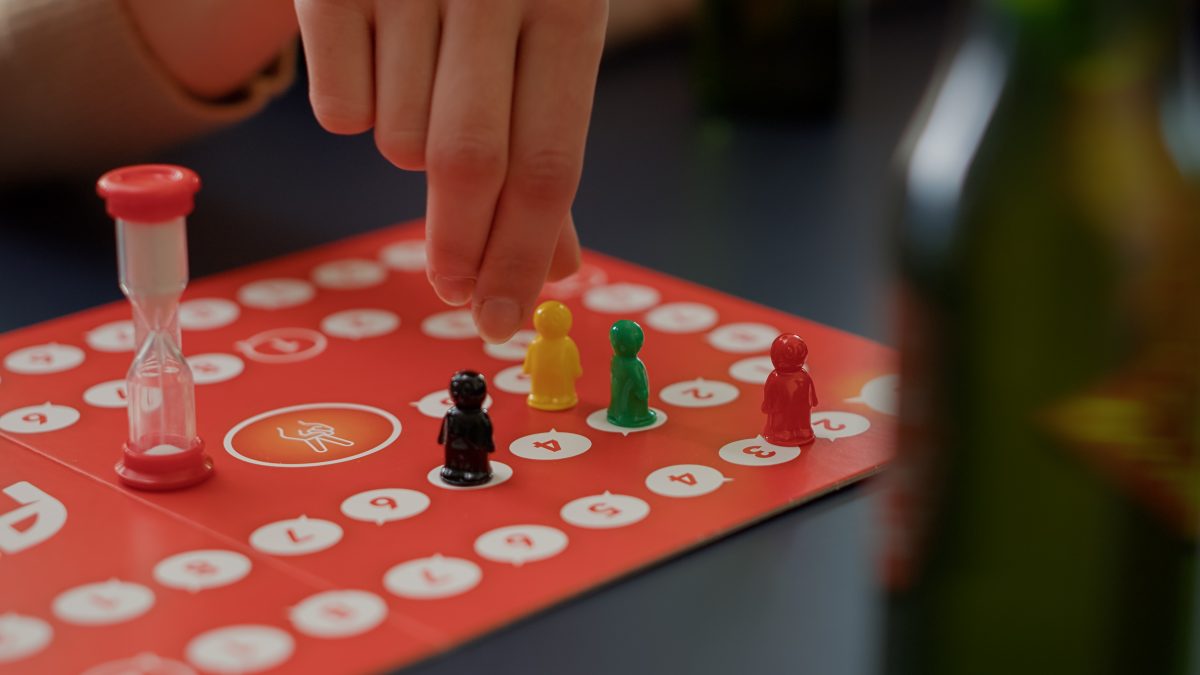
In many communities, connection used to come naturally. Neighbors knew each other, families spent evenings together, and social interaction was built into everyday life. Over time, however, routines changed. Work schedules became busier, digital devices took over more of our attention, and casual gatherings became less frequent.
Recently, there has been a noticeable shift in the opposite direction. People are beginning to rediscover the value of simple, intentional time spent together. Not through large events or elaborate plans, but through small gatherings that feel manageable and genuine.
Among the most popular of these are game nights.
A Return to Simplicity
What makes game nights appealing is their simplicity. They do not require significant planning, expensive arrangements, or perfect conditions. A table, a few participants, and a shared activity are often enough.
This simplicity removes many of the barriers that prevent people from gathering. It makes the idea of hosting or joining feel accessible rather than overwhelming.
At the same time, game nights offer something that many modern activities do not: active participation. Instead of passively consuming content, people engage directly with one another. They talk, react, laugh, and share moments in real time.
Structure Creates Comfort
One of the reasons games work so well in social settings is the structure they provide. Unlike open-ended gatherings, where conversation alone drives interaction, games introduce a framework.
There are rules, turns, and objectives. Everyone understands their role, which reduces the pressure to constantly initiate or sustain conversation.
This structure is especially helpful in mixed groups, where not everyone knows each other equally well. It provides a natural starting point and allows interaction to develop gradually. To make these gatherings run smoothly, many hosts take a few minutes beforehand to review guides on Playiro, ensuring that everyone understands how the games work before they begin. This small step helps avoid confusion and keeps the focus on the experience itself.
Bringing Different Generations Together
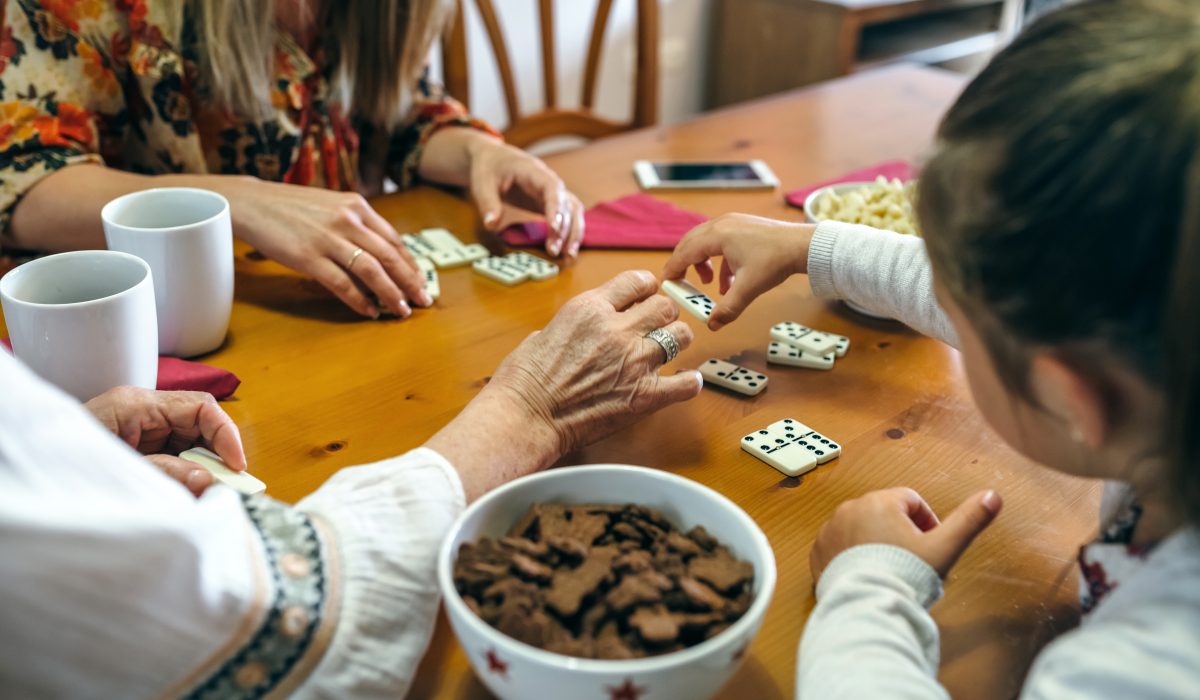
Game nights also have a unique ability to bridge generational gaps. Children, parents, and even grandparents can participate in the same activity, each contributing in their own way.
Unlike many forms of entertainment that cater to specific age groups, games often operate on simple, universal principles. This makes them accessible and inclusive.
In a time when different generations may spend less time together, this shared activity becomes especially valuable. It creates a space where interaction feels natural rather than forced.
Reducing the Role of Screens
Another reason for the growing popularity of game nights is the desire to step away from screens. While technology offers convenience and entertainment, it often does so at the cost of direct interaction.
Game nights provide an alternative. They encourage people to put devices aside and focus on the present moment.
This does not require a complete rejection of technology. In fact, many people use online resources to learn new games or find ideas. But once the activity begins, the focus shifts away from screens and toward shared experience.
Building Stronger Social Connections
Shared activities have a different impact on relationships compared to passive experiences. Watching a show together may create a shared reference, but it does not require active engagement.
Games, on the other hand, depend on participation. Every player contributes to the outcome, which creates a sense of involvement.
This involvement strengthens connection. People respond to the same events, react to each other’s decisions, and build a shared narrative as the game unfolds.
These moments often become lasting memories, something to look back on and talk about later.
The Role of Preparation
While game nights are simple, a small amount of preparation can make a significant difference. Choosing the right game, understanding how it works, and ensuring that everyone is comfortable with the format all contribute to a smoother experience.
Clear instructions are particularly important. Confusion over rules can interrupt the flow and reduce enjoyment.
By taking a few minutes to prepare in advance, hosts can create an environment where the activity runs naturally. This allows participants to focus on interaction rather than logistics.
Why This Trend Matters
The return of game nights reflects a broader shift in how people think about their time. There is a growing awareness that meaningful interaction does not require complexity.
In fact, simpler experiences often lead to stronger connections.
According to the American Academy of Pediatrics, shared family activities, including games, play an important role in strengthening relationships and supporting emotional well-being. This highlights the value of spending time together in a focused and interactive way.
A Practical Way Forward
Not every community gathering needs to be a large event. Sometimes, the most effective way to bring people together is through something small and manageable.
Game nights offer a practical solution. They are easy to organize, accessible to a wide range of participants, and naturally encourage interaction.
For families, they provide an opportunity to reconnect. For neighbors, they create a reason to gather. For communities, they offer a simple way to rebuild a sense of connection.
Bringing It Back to What Matters
At their core, game nights are not about the games themselves. They are about the experience they create. They provide structure without pressure, interaction without complexity, and connection without distraction.
In a world that often feels fast-paced and fragmented, these qualities stand out. And perhaps that is why they are making a comeback, not as a trend, but as a reminder of something fundamental: that meaningful connection often comes from the simplest moments.