The Growing Importance of Responsible Firearm Storage and Safety in American Households
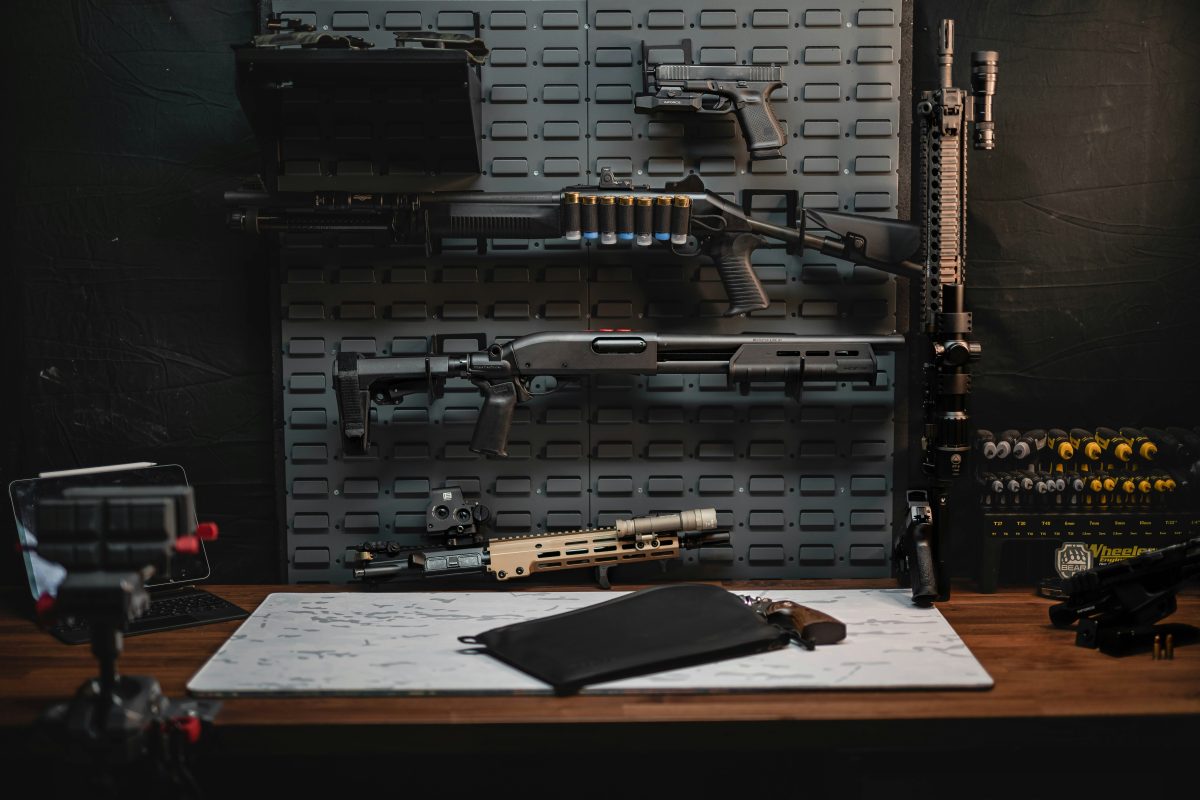
Photo by Thomas Tucker on Unsplash
Across the United States, conversations surrounding firearm ownership increasingly extend beyond purchasing decisions alone. More households are paying attention to long-term responsibilities connected to storage, maintenance, transportation, and overall safety practices. This shift reflects broader cultural changes where ownership is increasingly associated with education, preparation, and accountability rather than impulse or convenience.
In many communities, firearm ownership remains connected to long-standing traditions involving sport shooting, outdoor recreation, hunting culture, and collecting. At the same time, modern consumers are navigating a rapidly evolving market shaped by changing technology, expanding online information, and growing public attention surrounding safe handling practices. As a result, many owners are becoming more deliberate in how they research equipment, organize storage systems, and maintain their firearms over time.
This evolving mindset has contributed to increased demand for educational resources, secure storage products, maintenance tools, and professionally manufactured components designed to support reliability and long-term use.
Why Storage Practices Are Receiving More Attention
One of the most noticeable changes in recent years is the growing emphasis on secure firearm storage inside the home. While firearm ownership has long been part of American life, awareness surrounding accidental access, improper handling, and unsecured equipment has encouraged many households to rethink how firearms are stored on a daily basis.
Modern storage discussions increasingly focus on balancing accessibility with security. For some households, this involves investing in biometric safes or reinforced storage cabinets. Others prioritize trigger locks, separated ammunition storage, or climate-controlled environments designed to reduce wear and corrosion.
The conversation has also expanded beyond basic safety concerns. Many firearm owners now view proper storage as part of preserving equipment quality and protecting long-term value. Temperature fluctuations, humidity exposure, and poor organization can negatively affect mechanical performance over time, particularly for individuals who own multiple firearms or collectible models. This growing attention to responsible ownership has helped reshape how many Americans approach the broader culture surrounding firearms.
How Information Access Changed Consumer Behavior
The internet has dramatically transformed how people research specialized products. Decades ago, much of the information surrounding firearm ownership came from local retailers, magazines, or personal recommendations. Today, consumers have access to extensive technical reviews, instructional videos, online communities, and manufacturer specifications before making purchasing decisions.
This shift has created a more informed consumer base. Buyers increasingly compare materials, manufacturing standards, component compatibility, durability testing, and long-term maintenance considerations before investing in equipment.
That attention to technical detail is especially visible among owners researching AR 15 rifles, where discussions often extend beyond the firearm itself to include component quality, maintenance routines, replacement parts, and long-term platform reliability. Rather than focusing solely on appearance, many consumers now prioritize consistency, compatibility, and overall build quality when evaluating firearm-related products.
This more research-driven approach reflects broader consumer trends visible across multiple industries where buyers increasingly value technical transparency and detailed product information before making decisions.
Public Safety and Responsible Ownership Awareness
Organizations focused on firearm safety continue emphasizing the importance of education and responsible ownership practices within American households. Guidance supported by organizations including the National Shooting Sports Foundation continues highlighting the importance of safe firearm handling, secure storage practices, and responsible ownership education.
Industry-supported safety initiatives consistently emphasize several core principles: storing firearms securely when not in use, preventing unauthorized access, maintaining awareness of firearm condition, and ensuring owners understand proper handling procedures.
Educational campaigns have increasingly focused on helping households create layered approaches to safety that combine secure storage, maintenance routines, and owner education rather than relying on a single precautionary measure. These broader efforts reflect how firearm ownership discussions increasingly center on responsibility, preparation, and long-term risk reduction within modern households.
The Role of Maintenance in Long-Term Reliability
Proper maintenance has become another major focus among firearm owners who want to preserve reliability and performance over time. While maintenance routines vary depending on usage patterns, many enthusiasts now approach firearm care with the same level of attention seen in other performance-oriented hobbies.
Routine inspections, cleaning procedures, lubrication schedules, and parts replacement intervals are increasingly viewed as essential aspects of responsible ownership. Owners who participate in recreational shooting activities often invest significant time learning how different components interact and how environmental conditions can affect long-term performance.
This attention to detail has also increased interest in professionally manufactured parts and higher-quality materials designed to improve durability under repeated use. Rather than replacing entire systems, many consumers focus on maintaining and upgrading individual components as needed over time. The result is a more technically engaged consumer market that values consistency, reliability, and product longevity.
Cultural Shifts Around Ownership Responsibility

Photo by Getty Images on Unsplash
Public attitudes surrounding firearm ownership continue evolving alongside broader discussions about safety, accountability, and personal responsibility. While perspectives vary widely across regions and communities, many owners increasingly recognize that responsible ownership extends well beyond purchasing equipment.
Education, training, secure storage, and maintenance are becoming more central to how ownership is discussed within enthusiast communities. This shift is particularly visible among newer firearm owners who often spend significant time researching legal requirements, safety recommendations, and best practices before making purchases.
In many ways, the modern firearm market reflects larger consumer behavior trends visible across other specialized industries. Buyers increasingly prioritize informed decision-making, product transparency, technical support, and long-term usability rather than purely aesthetic appeal or marketing language. As information becomes more accessible, consumers are developing more nuanced expectations surrounding both product quality and ownership responsibility.
Why This Conversation Continues to Grow
The growing focus on firearm storage and responsible ownership is unlikely to slow in the coming years. As technology evolves and consumers become more informed, expectations surrounding safety practices, maintenance standards, and equipment reliability will likely continue expanding.
Manufacturers, retailers, and educational organizations are all responding to these changing expectations by placing greater emphasis on secure storage solutions, instructional resources, and long-term product performance.
At the household level, many owners increasingly view responsible firearm ownership as an ongoing process rather than a one-time purchase decision. Safe storage, regular maintenance, continuing education, and thoughtful product selection are becoming interconnected parts of modern ownership culture.
Ultimately, this broader shift reflects a growing understanding that responsible ownership depends not only on access to equipment, but also on preparation, awareness, and long-term commitment to safety-oriented practices.