Helping Your Child Stay Calm During Dental Visits
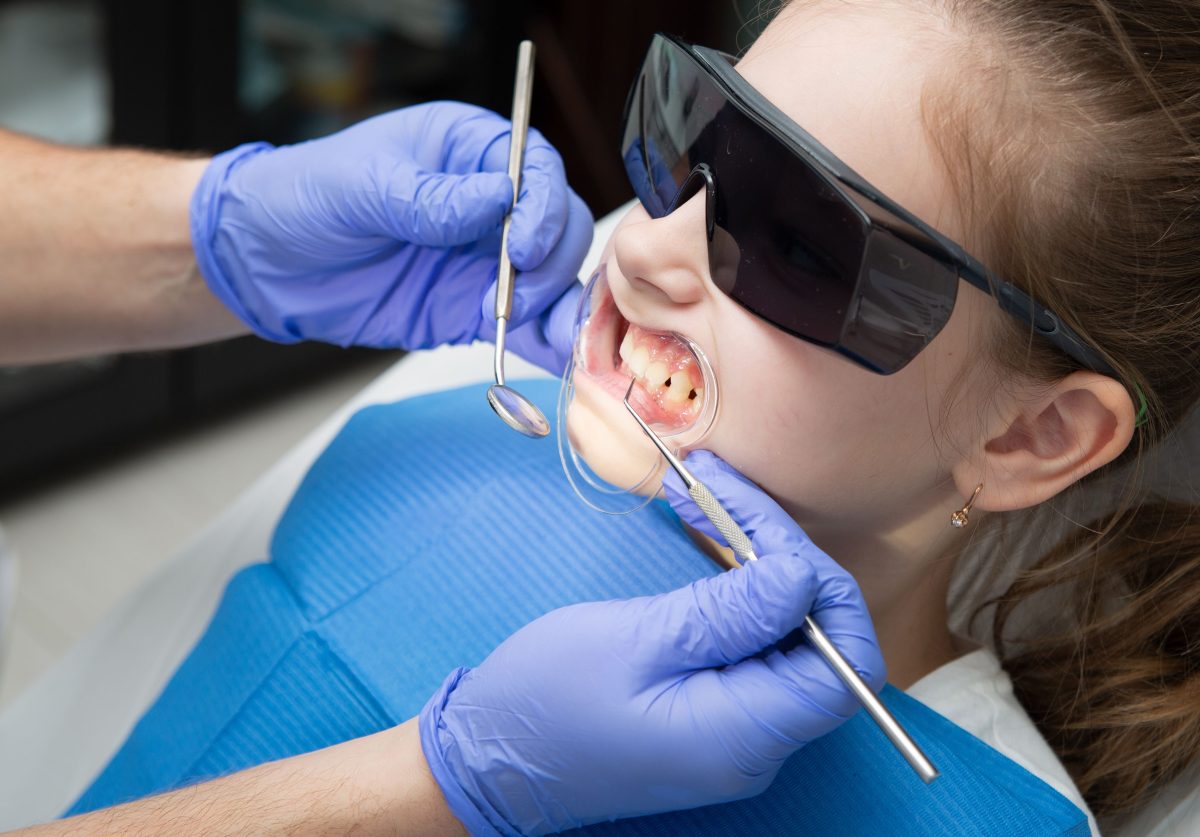
According to the American Academy of Pediatric Dentistry‘s 2023 guidelines, dental anxiety affects up to 20% of children, with the most severe cases often developing before age eight. What makes this particularly concerning is how early these fears form — and how quickly they can spiral into lifelong avoidance patterns that compromise oral health well into adulthood.
The landscape of pediatric dentistry has shifted dramatically in recent years, with practitioners increasingly recognizing that managing anxiety isn’t just about comfort — it’s about establishing the foundation for a lifetime of dental care. As research reveals more about how childhood fears develop and persist, the focus has moved from simply “getting through” appointments to actively preventing anxiety from taking root in the first place.
For parents, this creates both opportunity and pressure. The decisions you make about your child’s early dental experiences, from that first cleaning to how you talk about dentists at home, can influence their relationship with oral health for decades. Understanding why children develop dental anxiety differently than adults — and what actually works to prevent or reduce it — has become essential knowledge for any parent navigating those crucial early years of dental care.
How Dental Anxiety Develops and Early Signs to Watch For
Dental anxiety in children rarely appears overnight. Instead, it typically builds through a combination of sensory overwhelm, unpredictability, and developmental fears that intersect in powerful ways during those critical early visits.
The most common trigger isn’t pain — it’s the loss of control. Young children thrive on routine and predictability, yet dental visits involve lying back in unfamiliar positions, opening their mouth on command, and experiencing sensations they can’t anticipate or stop. The sounds of dental equipment, the bright lights, and even the taste of fluoride can feel overwhelming to developing nervous systems that haven’t yet learned to categorize these experiences as safe.
Many parents miss the earliest warning signs because they appear weeks or even months before dental appointments. Sleep disruptions often emerge first — a child who suddenly has trouble falling asleep after a dental visit has been scheduled, or who begins having nightmares involving doctors or medical procedures. Changes in eating patterns can also signal developing anxiety, particularly if a child becomes more sensitive about things touching their teeth or mouth.
Behavioral regression provides another early indicator. A potty-trained child might have accidents, or a typically independent child might become clingy when dental topics come up in conversation. These changes often puzzle parents because they seem unrelated to dentistry, but they reflect how children process anticipatory stress.
The most telling sign, however, is avoidance language that starts subtle and builds over time. A child might begin asking repeated questions about when their next appointment is, or start expressing reluctance about activities that weren’t previously problematic — like brushing teeth or eating crunchy foods. By the time physical symptoms like crying or tantrums appear, the anxiety has usually been building for weeks through these quieter behavioral changes.
How Children’s Dental Anxiety Differs from Adults
Unique Sensory and Emotional Triggers in Children
Children experience dental environments through fundamentally different psychological and sensory filters than adults. While adults can rationalize unfamiliar sensations or uncomfortable positions, children lack the cognitive framework to separate temporary discomfort from genuine threat.
Sensory processing differences create the most significant divide. A child’s developing nervous system amplifies sensory input in ways that can make routine dental procedures feel overwhelming. The high-pitched whir of a dental drill might barely register for an adult focused on treatment outcomes, but for a child, that same sound can trigger a fight-or-flight response that floods their system with stress hormones.
Developmental fears also play a crucial role that doesn’t exist in adult anxiety. Children between ages 3-8 naturally fear separation from parents, loss of control, and bodily harm — three elements that dental visits can trigger simultaneously. Unlike adults who understand that temporary discomfort serves a larger purpose, children experience each uncomfortable moment as potentially endless.
Time perception adds another layer of complexity. What feels like a routine 15-minute cleaning to an adult can feel interminable to a child whose concept of time remains fluid and emotion-driven. This distorted time sense means that even brief moments of discomfort can feel overwhelming and create lasting negative associations.
Behavioral and Verbal Indicators of Dental Fear in Kids
Children communicate anxiety differently than adults, often through behaviors that might seem unrelated to dental care. Physical resistance typically escalates gradually — starting with reluctance to sit in the dental chair, progressing to clenched teeth or closed lips, and potentially building to full-body rigidity or attempts to leave the treatment room.
Verbal indicators can be equally subtle. Instead of directly stating “I’m scared,” children might ask seemingly logical questions that reveal underlying fears: “Will the dentist hurt my teeth?” “What if my mouth bleeds?” “Can I go home now?” These questions often increase in frequency as appointments approach, creating a pattern of escalating concern that parents can learn to recognize.
Somatic symptoms — physical complaints without clear medical cause — frequently accompany childhood dental anxiety. Headaches, stomachaches, or feelings of nausea on appointment days often signal that a child’s stress response has activated, even if they can’t articulate their fears directly. These symptoms deserve attention rather than dismissal, as they represent genuine physiological responses to psychological stress.
Practical Strategies Parents Can Use to Manage Dental Anxiety
Preparation and Positive Reinforcement Techniques
The most effective parental strategies begin weeks before actual appointments, focusing on gradual familiarization rather than last-minute reassurance. Reading age-appropriate books about dental visits, playing “dentist” games at home, or watching educational videos together helps children develop mental frameworks for what to expect, reducing the fear of the unknown that drives much childhood anxiety.
Modeling calm behavior proves more powerful than verbal reassurance alone. Children pick up on parental anxiety through body language, tone of voice, and energy levels — often more than conscious reassuring words. Parents who manage their own dental anxiety, speak positively about oral health, and demonstrate relaxed attitudes around dental topics create environments where children feel safer expressing their own concerns.
Positive reinforcement systems work best when they focus on effort rather than outcome. Instead of promising rewards for “being brave” (which can inadvertently confirm that dental visits are scary), successful parents praise specific behaviors: sitting still, opening their mouth when asked, or asking questions. This approach builds confidence while acknowledging that some nervousness is normal and acceptable.
Creating predictable routines around dental visits helps children feel more in control. This might involve a special breakfast on appointment days, bringing a favorite stuffed animal, or planning a fun activity afterward. The key lies in consistency — establishing patterns that children can count on, which helps reduce the unpredictability that fuels anxiety.
Methods to Support Children During Dental Visits
Breathing techniques adapted for children can provide immediate anxiety relief during appointments. Teaching simple approaches like “smell the flower, blow out the candle” gives children active tools for managing stress rather than feeling helpless. These techniques work best when practiced at home first, making them familiar and accessible during stressful moments.
Distraction strategies prove most effective when they engage multiple senses simultaneously. Some successful parents bring noise-canceling headphones with favorite music, while others use visual distractions like ceiling-mounted televisions or mobile devices with engaging apps. The goal isn’t to eliminate awareness of dental procedures, but to provide competing sensory input that reduces the intensity of potentially uncomfortable experiences.
Gradual exposure approaches work particularly well for children with established anxiety. This might involve starting with just sitting in the dental chair during one visit, progressing to a simple cleaning during the next, and building toward more comprehensive care over time. While this requires more appointments, it often prevents the escalation of anxiety that can make future dental care increasingly difficult.
Communication strategies during visits should emphasize child agency whenever possible. Allowing children to signal when they need breaks, ask questions about procedures, or make small choices (like which flavor fluoride they prefer) helps maintain their sense of control within the structured dental environment.
How Pediatric Dentists Create a Calm Environment for Anxious Children
Child-Friendly Clinic Practices and Communication
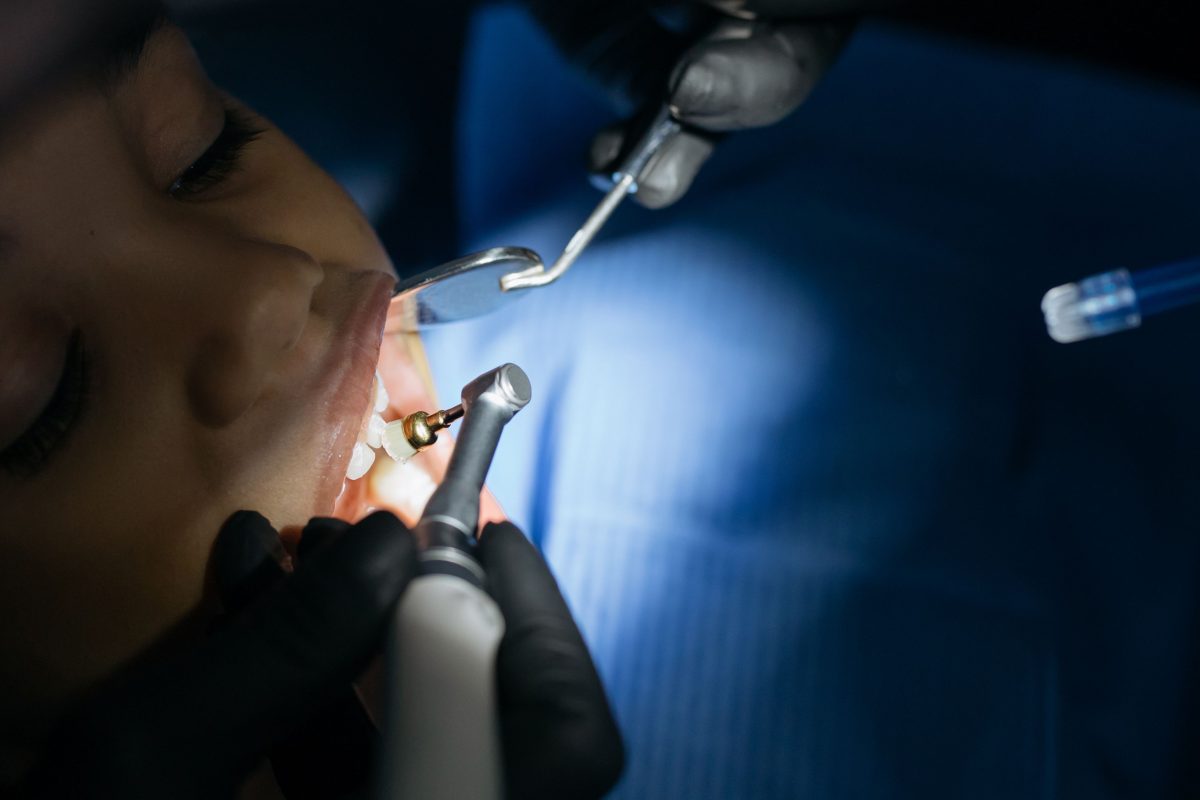
Modern pediatric dental offices design their environments specifically to reduce anxiety triggers that commonly affect children. Visual elements play a crucial role — from colorful, playful décor that feels more like a playground than a medical facility, to ceiling murals or televisions positioned where children can watch during treatment. These design choices help shift children’s mental associations away from traditional medical settings that might trigger fear.
Specialized communication approaches distinguish pediatric dentists from general practitioners. Instead of using medical terminology that might sound frightening, skilled pediatric dentists develop child-friendly language that explains procedures accurately while maintaining comfort. They might describe dental tools as “tooth counters” or “water squirters,” making unfamiliar equipment seem less threatening while still preparing children for what to expect.
Pacing strategies acknowledge that children process information and experiences differently than adults. Rather than moving directly into procedures, experienced pediatric dentists often spend time allowing children to explore the dental chair, touch instruments, or ask questions. This investment in relationship-building frequently prevents anxiety from escalating and establishes trust that makes subsequent procedures smoother. When parents seek quality pediatric dental care in New Braunfels, they often find that practices specializing in children’s needs incorporate these anxiety-reducing approaches as standard practice rather than special accommodations.
Behavioral and Sedation Techniques Used by Professionals
Tell-Show-Do methodology remains the gold standard for introducing anxious children to dental procedures. This systematic approach involves explaining what will happen in age-appropriate language, demonstrating the procedure on a model or stuffed animal, and then performing the actual treatment. This sequence helps children develop accurate expectations while building confidence through successful completion of each step.
Nitrous oxide (laughing gas) provides an effective middle ground for children whose anxiety can’t be managed through behavioral techniques alone. Unlike stronger sedation options, nitrous oxide allows children to remain conscious and responsive while reducing anxiety and discomfort. The gas takes effect quickly, wears off within minutes of removal, and helps children associate dental visits with relaxed, positive feelings rather than stress and fear.
Conscious sedation techniques serve children with severe anxiety or extensive treatment needs. These approaches range from oral medications taken before appointments to IV sedation administered during procedures. While more involved than behavioral techniques, sedation options allow anxious children to receive necessary dental care while avoiding traumatic experiences that could worsen their long-term relationship with oral health.
Emerging technologies like virtual reality headsets or interactive ceiling displays provide sophisticated distraction during procedures. These innovations engage children’s attention so completely that they often report being surprised when procedures are finished, having been absorbed in immersive experiences rather than focused on dental sensations.
Impact of Dental Anxiety on Children’s Oral Health and Well-being
Dental anxiety in children creates cascading effects that extend far beyond temporary discomfort during appointments. When anxiety becomes severe enough to cause appointment avoidance, children miss critical preventive care during the years when permanent teeth are most vulnerable to decay. This avoidance often begins with delayed or canceled appointments, but can progress to complete refusal to see dentists even when pain or infection develops.
The oral health consequences compound quickly in growing children. Untreated cavities that might have been simple fillings become infected teeth requiring extractions or root canals. Missed cleanings allow plaque buildup that leads to gum disease, while avoided fluoride treatments leave teeth more susceptible to decay. By adolescence, children with severe dental anxiety often present with significantly more extensive dental problems than their peers who received regular preventive care.
Social and emotional effects prove equally significant but less immediately visible. Children with poor oral health due to anxiety-driven avoidance often experience embarrassment about their appearance, leading to reduced smiling, reluctance to speak up in class, or withdrawal from social situations. These impacts on self-esteem and social development can persist into adulthood, affecting relationships, career prospects, and overall quality of life.
Behavioral patterns established in childhood typically intensify over time without intervention. Children who successfully avoid dental care through tantrums or refusal often carry these patterns into adulthood, creating lifelong cycles of avoidance, emergency-only dental treatment, and worsening oral health. Breaking these patterns becomes increasingly difficult as children age and their avoidance strategies become more sophisticated and entrenched.
The long-term trajectory for children with unmanaged dental anxiety often involves significantly higher dental costs, more invasive treatments, and greater medical complications as oral health problems affect overall physical health. Understanding these stakes helps parents recognize that addressing dental anxiety isn’t just about making appointments more comfortable — it’s about establishing patterns that will influence their child’s health and well-being for decades to come.
Rather than viewing dental anxiety as a phase children will outgrow, parents who recognize its potential long-term impact can take proactive steps to prevent or address fears before they become entrenched patterns. The investment in creating positive early dental experiences pays dividends that extend well beyond childhood, establishing foundations for lifelong oral health and confidence.