Key Factors Driving Solar Adoption in Residential Neighborhoods
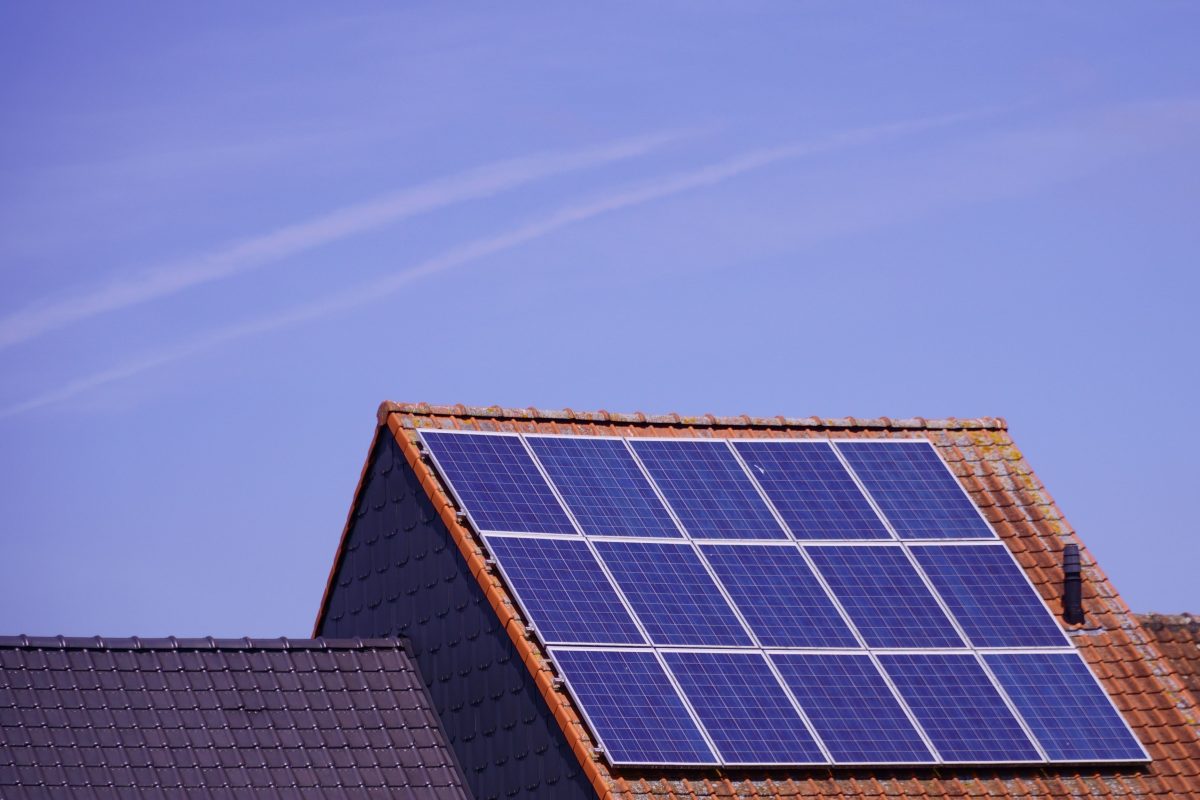
Roofs across suburban areas are changing appearance rapidly as dark panels replace traditional asphalt shingles. Homeowners notice striking visual upgrades happening throughout their local neighborhoods. Changes show a massive shift in how people view residential properties.
Property owners want direct control over their regular utility bills to avoid unexpected rate increases from providers. Moving away from standard municipal power grids helps local communities develop superior energy conservation habits.
Financial Savings And Incentives
Energy bills represent a major monthly expense for modern families trying to balance tight household budgets. Regular electrical rates continue climbing across the country as public grid infrastructure ages. Lower utility statements grab the attention of cost-conscious homeowners immediately.
Property owners review household expenses to identify areas where they can cut waste. Smart homeowners contact their solar installation experts to evaluate structural capacities and roof angles. Getting a professional inspection reveals the true payback timeline of clean power conversion.
Tax credits soften the initial setup expenses significantly for qualifying residential properties. Local utility rebates motivate property owners to choose green alternatives rather than standard options. Minimal long-term upkeep demands add to excellent financial benefits.
Rising Market Values
Upgraded properties attract prospective buyers looking for long-term utility efficiency and modern features. Clean technology additions boost home equity the moment construction finishes. Real estate markets value modern power setups highly in competitive areas.
A report from Fortune Business Insights noted the global residential solar market was valued at $102.93 billion. The research projects a market rise from $111.18 billion to $205.99 billion by 2034.
Suburban streets experience higher evaluation metrics when multiple houses select clean updates. Buyers look for modern power configurations that promise lower operational costs. Homes sell much faster when clean infrastructure is already attached to the property.
Battery Storage Progress
Modern batteries keep homes operating smoothly during unexpected regional blackouts and severe storm damage. Reliable backup options safeguard basic residential comfort for families during emergencies. People avoid food spoilage or extreme indoor temperatures when the main grid fails.
Storage technology improves with every manufacturing cycle as companies invest heavily in research. New batteries hold massive power capacities without taking up excessive wall space inside a home. Homeowners integrate sleek units into standard utility rooms or garages easily.
System performance relies on several design components:
- Lithium options provide long storage cycles for daily household use.
- Smart applications manage heavy distribution periods automatically.
- Compact designs fit standard garage walls without blocking vehicles.
Environmental Awareness Trends
Carbon reduction goals motivate modern community decisions as people think about the future. Neighborhoods seek to minimize local emissions without giving up daily comforts or electronic conveniences. Clean energy adoption matches the community goals perfectly.
An industry study by Global Market Insights stated the global residential solar PV market held a value of $94.2 billion. Projections show the sector reaching $198.9 billion by 2034.
Peer influence impacts decision-making across suburban cul-de-sacs and master planned developments. Watching a nearby neighbor implement clean upgrades sparks immediate curiosity among residents. Shared community action creates a steady chain reaction of local updates.
Streamlined Installation Processes
Permitting offices reduce waiting periods for engineering reviews to encourage local updates. Rapid paperwork processing moves home improvement projects forward without unnecessary administrative delays. Clear municipal regulations help contractors finalize designs quickly.
Professional construction teams complete structural setups with high-speed precision and safety gear. Trained technicians minimize daily disruptions for the family during the brief conversion process. Most system attachments take just a few days from start to finish.
Manufacturing quality metrics improve hardware safety standards across the renewable industry. Standard modern materials last decades without requiring constant maintenance or expensive parts replacements. Property owners enjoy long-term peace of mind with durable setups.
Grid Independence Desires
Traditional public utilities face heavy strain during extreme weather seasons and summer heat waves. Aging electrical lines fail frequently under severe conditions, leading to unexpected service interruptions. Centralized grids create clear vulnerabilities for modern suburban neighborhoods.
Generating power directly on site shields families from external utility blackouts and price spikes. Independent setups offer complete control over household power management throughout the entire year. Self-reliance becomes an attractive asset for many properties.
Localized energy production builds stability across municipal boundaries and regional networks. Distributed systems decrease the load on collective infrastructure during high-demand hours. Neighborhoods achieve greater security through decentralized energy choices.
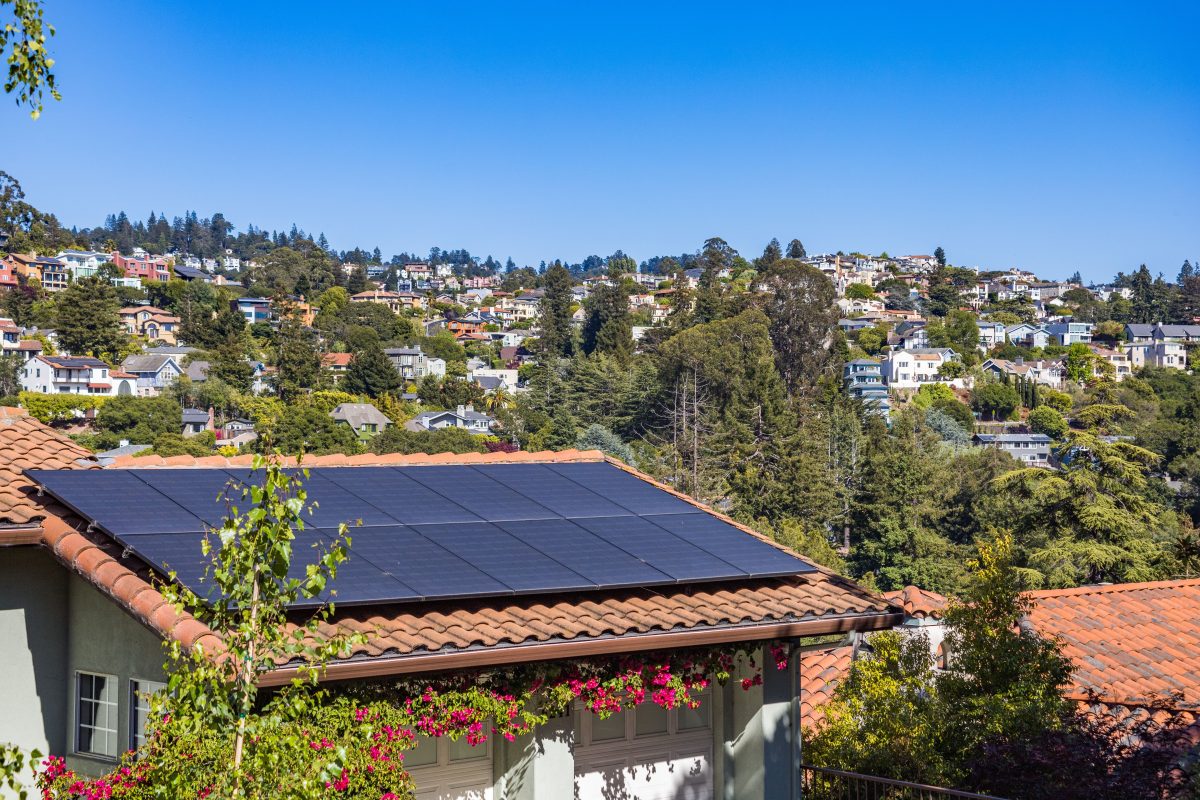
Residential clean energy choices expand across domestic neighborhoods as technology becomes more accessible. Lower electrical bills combined with smart system options make structural changes highly practical.
Clean power selections change community infrastructure for the better in the upcoming years. Local neighborhoods look toward a self-reliant future with modern upgrades.