The Case for a Park Chess Table in Every Community
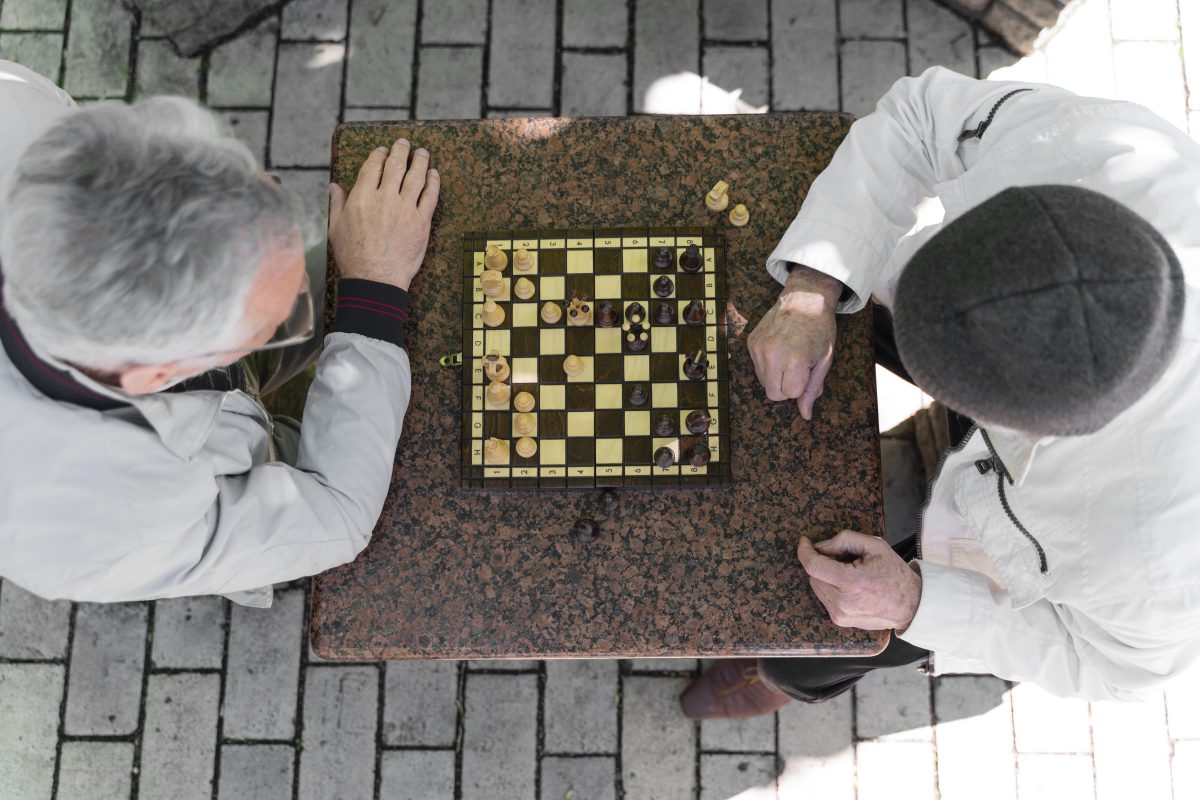
Public spaces shape the way people connect, relax, and participate in community life. A well-designed park can offer more than open grass, walking paths, and playgrounds. It can provide small but meaningful amenities that encourage people to gather, think, play, and stay longer. A park chess table is one of those amenities because it turns a simple seating area into a place for strategy, conversation, and shared experience. It is affordable compared with many larger recreation investments, yet it can serve people of many ages and backgrounds. Every community should consider adding park chess tables as part of a broader effort to create welcoming, active, and inclusive public spaces.
Why Chess Belongs in Public Parks
Chess has a long history as a public game because it is easy to observe, easy to teach, and endlessly engaging. Unlike activities that require athletic ability, specialized equipment, or large fields, chess can fit into a compact area and still create a strong sense of activity. A park chess table gives visitors a reason to sit face to face and interact in a focused, respectful way. It can attract experienced players, curious beginners, parents, students, seniors, and casual park users. This makes chess a rare amenity that feels both recreational and educational. When placed in a visible and comfortable part of a park, it can quickly become a familiar gathering point.
A park chess table also helps parks serve people who may not always feel included by traditional recreation features. Not everyone wants to play basketball, use fitness equipment, or join a sports league. Some people prefer quiet competition, mental challenge, or social activities that do not require physical intensity. Chess offers that option while still creating public energy. It allows people to participate at their own pace and comfort level. That flexibility is one reason chess tables deserve a place in every community.
A Small Amenity With Big Community Value
Communities often look for public space improvements that deliver visible benefits without requiring major construction. A park chess table fits that need well because it is compact, durable, and relatively simple to install. It can improve an underused corner, enhance a plaza, or add purpose to a shaded seating area. Even one table can signal that the park is designed for more than passing through. It tells visitors they are welcome to pause, play, and spend time together. That small invitation can have a meaningful effect on how people experience the space.
The value of a chess table grows when it becomes part of daily park life. Regular players may begin meeting at the same time each week. Children may stop to watch and ask questions. Older adults may find a comfortable routine that keeps them socially connected. Local clubs may use the area for casual matches or community events. Over time, a single park chess table can become a recognizable neighborhood feature. It creates a sense of place without needing a large budget or complex programming.
Encouraging Social Connection Across Generations
One of the strongest arguments for park chess tables is their ability to bring different generations together. A child can learn from a grandparent, a teenager can challenge an adult, and a retired player can mentor beginners. The chessboard gives people a shared focus, which makes conversation easier and less forced. In a time when many public interactions feel brief or distracted, chess encourages people to sit together and be present. It creates a natural rhythm of play, observation, teaching, and friendly competition. These moments help strengthen the social fabric of a community.
Intergenerational connection is especially valuable in parks because parks are among the few places designed for everyone. A playground may mainly serve families with young children, while a sports court may attract a narrower group of users. A park chess table can appeal to a much wider range of visitors. It can be used by people waiting for family members, neighbors enjoying a walk, students after school, or seniors spending time outdoors. Spectators can participate simply by watching and discussing the game. That broad appeal helps parks feel more inclusive and alive.
Supporting Learning Beyond the Classroom
Chess is often associated with patience, concentration, planning, and problem-solving. A park chess table makes those benefits available in an informal public setting. Children can practice thinking ahead while enjoying a game outside. Teens can develop focus and confidence through friendly competition. Adults can challenge themselves mentally during a lunch break or weekend visit. Seniors can enjoy a stimulating activity that also supports social engagement. The table becomes a small outdoor classroom without walls.
Communities can also use park chess tables to support local education programs. Schools, libraries, after-school groups, and recreation departments can organize lessons or casual chess meetups. Volunteers or chess clubs can teach beginners in a relaxed environment. Students who may not be drawn to traditional sports can find a competitive outlet that rewards patience and strategy. Public chess also makes learning visible, which can inspire others to join. When education happens in the open, it reinforces the idea that parks are places for growth as well as recreation.
Practical Benefits for Parks and Recreation Teams
A park chess table offers practical advantages for the teams responsible for public spaces. It requires far less space than many recreational amenities. It does not need electricity, moving parts, or daily staffing. Many outdoor models are designed to handle sun, rain, frequent use, and seasonal changes. Concrete, metal, stone, recycled plastic, and composite materials can all be used effectively when selected for the local climate. With proper installation, a quality table can provide years of service.
The maintenance needs are usually straightforward. Staff may need to clean the surface, check for damage, remove graffiti, and inspect anchoring or hardware. Compared with complex playground structures or athletic facilities, this level of maintenance is manageable for many communities. A chess table can also be added incrementally, allowing parks departments to test demand before expanding. If one table becomes popular, more can be installed nearby to support groups and events. This makes the amenity flexible for communities with different budgets and park sizes.
Useful features to look for include:
- A permanent chessboard pattern
- Weather-resistant materials
- Smooth, easy-to-clean surfaces
- Secure mounting or heavy construction
- Rounded edges for safety
- Accessible seating options
- Vandal-resistant hardware
Designing a Welcoming Chess Area
A park chess table works best when the surrounding area is comfortable, visible, and easy to reach. Placement should be close enough to foot traffic that people notice the table, but not so close that players feel crowded. Shade is especially important in warm climates because chess games can last longer than a quick rest stop. A level surface helps support stability and accessibility. Nearby benches can give spectators or waiting players a place to sit. Good design turns the table from a piece of furniture into a usable public destination.
Accessibility should be considered from the beginning. Some tables have fixed seats, while others leave open sides for wheelchair users. Parks should provide firm, stable pathways leading to the table. The area around the table should have enough room for mobility devices and comfortable movement. Lighting may also be helpful in parks that remain open into the evening. A well-planned chess area shows that the community values participation from all users.
Building Community Programs Around Chess
A park chess table becomes even more valuable when it is supported by simple programming. Communities can host beginner lessons, youth chess days, senior matches, family game afternoons, or weekend tournaments. These events do not need to be expensive or complicated. A local chess club, school, library, or volunteer group may be willing to help organize them. The table provides the permanent infrastructure, while programming brings people to the space. Together, they create a reason for residents to return regularly.
Programming can also help beginners feel welcome. Some people may hesitate to sit down if they think chess is only for experts. Signs with basic rules, event times, or friendly invitations can lower that barrier. A nearby library, recreation center, or park office may offer pieces for borrowing. Community events can pair experienced players with new learners. Over time, the chess area can develop its own culture of patience, respect, and inclusion.
FAQ About Park Chess Tables
Why should every community consider a park chess table? A park chess table supports recreation, learning, social connection, and inclusive public space design. It is a small investment that can create lasting community value.
Are park chess tables only useful in large parks? No. They can work in small neighborhood parks, plazas, campuses, trailside rest areas, and community courtyards. The key is choosing the right location and design.
What is the best material for a park chess table? Concrete is a popular choice for high-use outdoor spaces because it is heavy and durable. Metal, stone, recycled plastic, and composite materials can also work well when built for outdoor conditions.
How can parks prevent vandalism or theft? Choose durable materials, tamper-resistant hardware, permanent board designs, and secure installation methods. Good visibility and regular use can also discourage misuse.
Do players need to bring their own chess pieces? Many parks expect players to bring their own pieces. Communities can also offer loaner sets through libraries, recreation centers, or nearby facilities.
Can a park chess table be accessible? Yes. Tables with open sides, firm pathways, level surfaces, and proper clearance can support wheelchair users and visitors with mobility needs.
Making the Case for Long-Term Investment
The strongest case for a park chess table is not only about chess. It is about what the table makes possible. It creates a place where people can meet without spending money, learn without enrolling in a class, and compete without needing a large facility. It supports quiet recreation in a public world that often prioritizes louder and faster activities. It gives parks another layer of purpose and personality. That combination makes it a smart investment for communities of all sizes.
Every community needs public spaces that invite people to belong. A park chess table helps do that in a simple, durable, and meaningful way. It can serve children discovering the game, seniors looking for connection, students building confidence, and neighbors forming new friendships. It can support organized events or quiet one-on-one matches. It can transform a plain seating area into a place with identity and activity. For any community seeking affordable ways to improve public life, the answer may be as simple as adding a chessboard, two seats, and an open invitation to play.
Read more: Building Cognitive Skills with Board Games: From Chess to Card Games
Read more: How to Enjoy Gaming Culture in Your Neighborhood
Read more: Top Board Games for Solo Play, Small Groups, and Large Gatherings