How to Manage Swelling After Oral Surgery: Essential Recovery Tips
Photo by Quang Tri NGUYEN on Unsplash
According to the American Association of Oral and Maxillofacial Surgeons, post-operative swelling peaks within 48-72 hours after surgery and affects nearly every patient to some degree. Yet the way patients manage this swelling during those critical first days often determines whether their recovery takes one week or stretches into several. As dental practices increasingly emphasize patient education and home-care protocols, the gap between those who understand swelling management and those who simply endure it continues to widen.
The stakes here aren’t just comfort — poorly managed swelling can delay healing, increase infection risk, and extend the overall recovery timeline. For anyone facing oral surgery, from wisdom tooth extraction to dental implant placement, understanding how swelling develops and how to control it effectively makes the difference between a smooth recovery and weeks of unnecessary discomfort. What follows is a science-based approach to managing the inflammatory response that every oral surgery patient experiences.
How Swelling Develops During Oral Surgery Recovery
Swelling after oral surgery isn’t a complication — it’s your body’s natural healing response working exactly as designed. When surgical instruments create tissue trauma, your immune system immediately floods the area with white blood cells, nutrients, and protective proteins through increased blood flow. This inflammatory cascade causes blood vessels to dilate and become more permeable, allowing healing factors to reach damaged tissues but also allowing fluid to leak into surrounding spaces.
The inflammatory response follows a predictable timeline that patients can use to their advantage. Within the first few hours, chemical mediators like histamine and prostaglandins trigger vasodilation, creating the initial swelling. By 12-24 hours, neutrophils arrive to clear debris and prevent infection, intensifying the fluid accumulation. The peak typically occurs between 48-72 hours when macrophages dominate the healing site, bringing maximum blood flow but also maximum swelling.
Understanding this timeline explains why preventive swelling management works better than reactive treatment. The blood vessels are already dilating and leaking fluid — early intervention with cold therapy and elevation can limit how much fluid accumulates rather than trying to reduce it after the fact. Consider someone who has their wisdom teeth removed on Friday morning: applying ice immediately and maintaining head elevation through the weekend positions them for minimal swelling by Monday, while someone who waits until Saturday to address swelling may deal with facial distortion for another week.
The location of your surgery also determines swelling patterns. Lower jaw procedures typically cause more visible facial swelling due to gravity and the dense vascular network in that region, while upper jaw surgeries may cause swelling that extends toward the cheek and eye area. This anatomical reality shapes the specific management strategies that prove most effective.
Proven Recovery Techniques to Reduce Swelling
Cold therapy remains the gold standard for immediate post-operative swelling control, but timing and technique matter more than most patients realize. The goal isn’t just numbing — cold temperatures cause vasoconstriction, reducing blood flow to the surgical site and limiting fluid accumulation. Research from oral surgery journals consistently shows that patients who apply cold therapy within the first hour after surgery and maintain it for 20 minutes on, 20 minutes off during the first 48 hours experience significantly less peak swelling.
The key is understanding when cold helps and when it hinders. During the first 48 hours, cold therapy supports healing by controlling inflammation. After 72 hours, switching to gentle heat encourages circulation and helps clear accumulated fluid from tissues. Many patients make the mistake of continuing ice packs beyond the acute phase, potentially slowing the resolution of residual swelling.
Head elevation works through simple physics — keeping your head above your heart reduces the hydrostatic pressure that drives fluid into facial tissues. Sleeping propped up on 2-3 pillows for the first few nights prevents overnight fluid accumulation that leaves patients looking worse each morning. Some people find it helpful to sleep in a recliner for the first 2-3 nights, maintaining consistent elevation without the pillow-shifting that occurs in bed.
Proper medication management amplifies these physical interventions. Anti-inflammatory medications like ibuprofen don’t just control pain — they actively reduce the production of inflammatory mediators that cause swelling. The standard protocol typically involves 600-800mg of ibuprofen every 6-8 hours for the first 3-4 days, assuming no medical contraindications. This creates steady anti-inflammatory blood levels rather than the peaks and valleys that occur with as-needed dosing.
Hydration plays a supporting role that patients often overlook. Dehydration makes tissue fluid thicker and harder to clear, while adequate water intake helps the lymphatic system process inflammatory byproducts. The challenge is drinking enough without disrupting the surgical site — room temperature water through a straw (positioned away from the surgery area) or small sips from a cup work better than large gulps that create suction pressure.
Nutrition Strategies to Support Healing and Swelling Reduction
The foods you choose during recovery don’t just need to be soft — they can actively support your body’s healing mechanisms and minimize inflammatory responses. Anti-inflammatory nutrients become particularly valuable when your immune system is already working overtime to repair surgical trauma.
Omega-3 fatty acids found in foods like salmon, walnuts, and flaxseeds help resolve inflammation by promoting the production of specialized pro-resolving mediators — molecules that actively turn off inflammatory signals rather than just blocking them. A patient recovering from oral surgery procedures might blend salmon into a smooth soup or add ground flaxseed to a protein smoothie, getting inflammation-fighting compounds while maintaining the soft texture requirements.
Vitamin C and zinc support collagen synthesis and tissue repair, but they need to come from sources that won’t irritate the surgical site. Pureed fruits like mango or papaya provide vitamin C in a gentle form, while zinc-rich foods like smooth hummus or blended beans offer protein along with wound-healing minerals. The key is processing these foods until they require minimal chewing while preserving their nutritional value.
Hydration strategy extends beyond water to include foods with high water content and electrolyte balance. Coconut water provides natural electrolytes without the artificial additives in sports drinks, while blended soups contribute both hydration and nutrition. Avoiding alcohol and caffeine becomes particularly important because both can interfere with healing and increase inflammation.
Timing matters as much as food choice. Eating smaller, more frequent meals maintains steady blood sugar levels, which supports immune function without creating the digestive burden of large meals. Many patients find success with protein smoothies every 2-3 hours during the first few days, then gradually introducing more solid foods as swelling subsides and chewing becomes comfortable.
The temperature of foods also affects healing. Very hot foods can increase blood flow and potentially worsen swelling, while extremely cold foods might cause discomfort in sensitive teeth. Room temperature or slightly cool foods often provide the best balance of comfort and nutritional value during the acute recovery phase.
How to Recognize and Manage Swelling-Related Complications
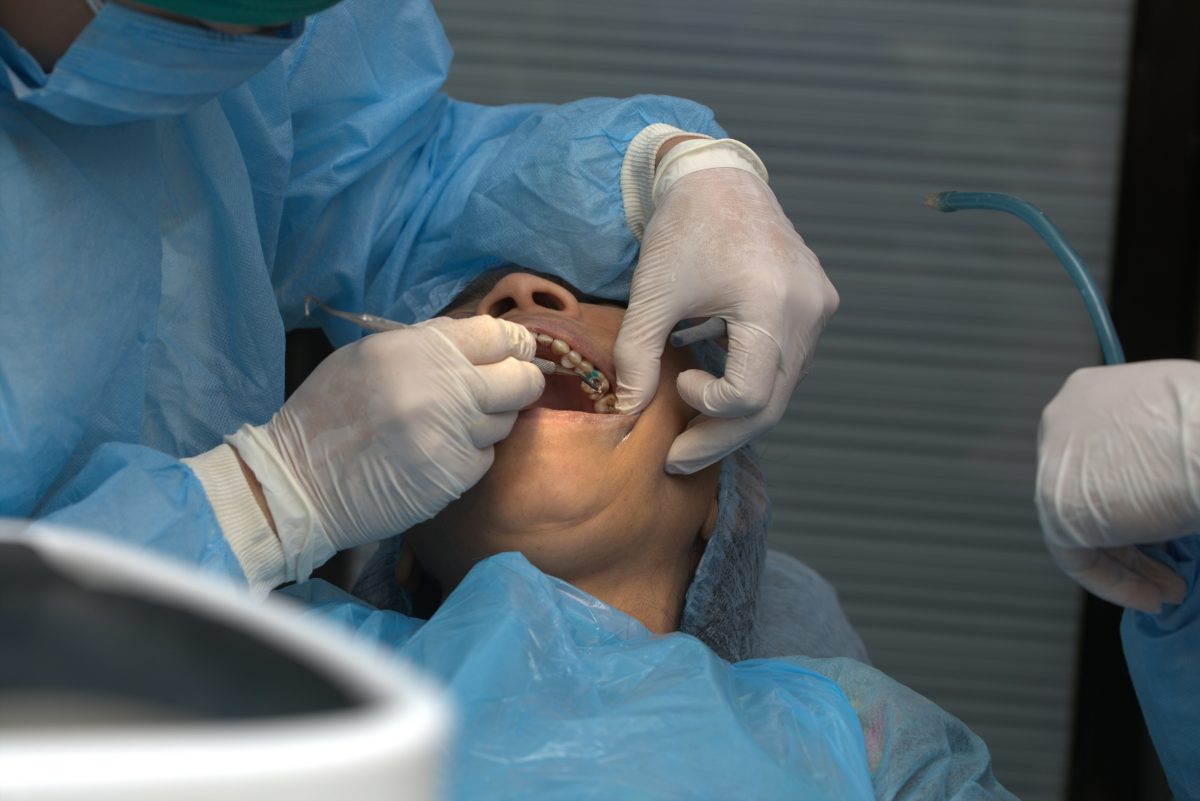
Photo by Rosario Fernandes on Unsplash
Normal post-surgical swelling follows predictable patterns that help distinguish healthy healing from complications requiring intervention. Expected swelling peaks between 48-72 hours, then gradually decreases over the following week. The swelling should be relatively symmetrical (if you had surgery on both sides) or proportional to the extent of the procedure. Skin color may show bruising that progresses from red to purple to yellow-green as it resolves.
Warning signs that suggest complications include swelling that continues increasing after the 72-hour mark, severe asymmetry that wasn’t present initially, or swelling accompanied by increasing pain rather than gradual improvement. Fever above 101°F, red streaking extending from the surgical site, or a foul taste and odor in your mouth may indicate infection requiring immediate attention.
Dry socket, a complication where the blood clot dislodges from the surgical site, typically presents with severe pain and may cause localized swelling around the extraction site. Unlike normal post-operative discomfort that gradually improves, dry socket pain often worsens between days 3-5 and has a characteristic throbbing quality. The exposed bone creates an inflammatory response that can cause persistent swelling in the immediate area.
Hematoma formation can cause swelling that feels different from typical post-surgical inflammation — it may be firmer, more localized, and accompanied by a bruised appearance that seems disproportionate to the procedure. While small hematomas often resolve on their own, larger ones may require evaluation to prevent complications.
The appropriate response to concerning symptoms involves contacting your oral surgeon rather than waiting to see if symptoms resolve. Most practices provide 24-hour emergency contact information specifically because distinguishing between normal and problematic healing can be challenging for patients. Taking photos of unusual swelling can help your surgeon assess the situation if an immediate office visit isn’t possible.
Medication interactions can also complicate recovery. Blood-thinning medications may increase bruising and swelling, while certain supplements can interfere with normal clotting. If your swelling seems excessive compared to what was predicted, reviewing your complete medication and supplement list with your surgeon may reveal contributing factors.
How Swelling and Recovery Vary by Surgery Type and Patient Factors
Wisdom tooth extraction typically produces the most dramatic facial swelling, particularly for impacted lower third molars that require bone removal. The proximity to major facial muscles and the extent of tissue manipulation create conditions for significant fluid accumulation. Patients can expect visible cheek swelling for 5-7 days, with the worst appearance usually on day 3.
Dental implant placement generally causes more localized swelling confined to the immediate surgical area. The controlled nature of implant surgery, combined with smaller tissue flaps, usually results in swelling that peaks earlier and resolves faster than extraction procedures. However, bone grafting performed simultaneously can extend both the swelling duration and intensity.
Patient age significantly influences both swelling severity and resolution speed. Younger patients often experience more dramatic initial swelling due to more robust inflammatory responses, but they also clear fluid from tissues more efficiently. Patients over 50 may have less intense initial swelling but longer resolution times as lymphatic drainage becomes less efficient with age.
Smoking status creates one of the most significant variables in swelling management. Nicotine causes vasoconstriction that impairs blood flow to healing tissues, while the physical act of smoking creates suction pressure that can disrupt surgical sites. Smokers typically experience prolonged swelling and increased complication rates, making the standard recovery timeline unreliable.
Chronic conditions like diabetes, autoimmune disorders, or cardiovascular disease can alter normal healing responses. Diabetes may cause unpredictable inflammatory responses, while blood pressure medications can affect tissue fluid dynamics. Patients with these conditions benefit from modified swelling management protocols developed in consultation with both their surgeon and primary care physician.
The reality is that recovery timelines represent averages, not guarantees. Someone having a single simple extraction might return to normal appearance within 3-4 days, while someone undergoing multiple impacted wisdom tooth removals might deal with facial swelling for two weeks. Setting realistic expectations based on your specific procedure and risk factors prevents the anxiety that comes from comparing your recovery to textbook timelines that may not apply to your situation.