The Finishing Touches That Turn an Ordinary Room Into a Statement Space
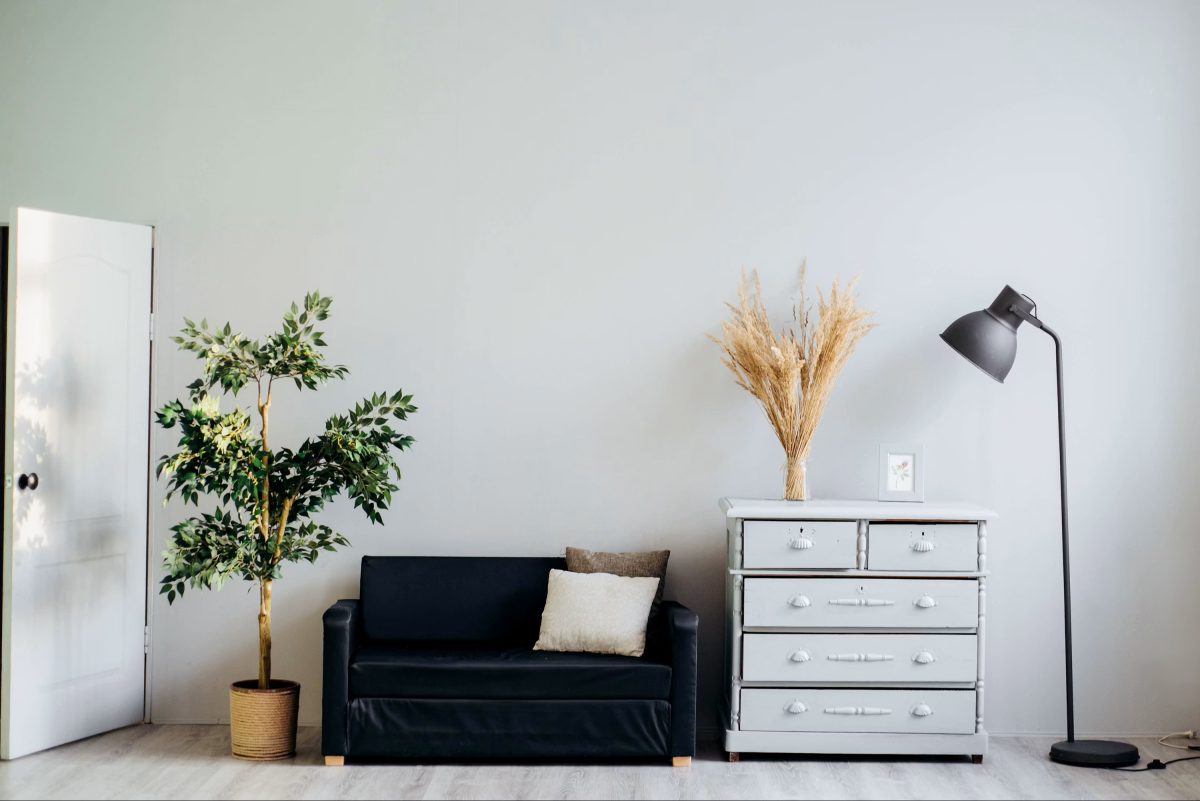
Photo by Alexandra Gorn on Unsplash
The difference between an ordinary room and one that leaves a lasting impression rarely comes down to its size or budget. Instead, it is often the finishing touches that transform a functional space into one with personality, warmth, and visual balance. While furniture establishes the room’s primary purpose, the smaller design decisions are what give it character and make it feel thoughtfully curated rather than simply furnished.
Interior designers frequently describe these final details as the elements that “complete the story” of a room. Lighting, texture, color, artwork, wall treatments, and carefully selected accessories all work together to create an environment that feels cohesive. Rather than adding decoration for its own sake, successful finishing touches strengthen the overall design while making the space more enjoyable to live in every day.
Start With Walls That Create Lasting Character
Walls occupy more visual space than almost any other surface in a room, making them one of the most influential design elements. While paint remains a timeless choice, textured wall coverings have become increasingly popular because they introduce depth, softness, and visual richness that flat finishes often cannot achieve. A carefully selected wall treatment immediately establishes the atmosphere before furniture and decorative accessories are even noticed.
Choosing velvet wallpaper adds another layer of sophistication by introducing texture alongside color and pattern. The luxurious appearance creates a sense of warmth while reflecting light in subtle ways that give interiors greater dimension. Whether used behind a bed, surrounding a fireplace, or defining a formal dining room, this type of wall covering naturally becomes a focal point without overwhelming the surrounding décor.
Layer Lighting Instead of Relying on a Single Fixture
Lighting has the ability to completely change how a room feels without altering any of its furniture or finishes. A single ceiling fixture may provide enough illumination for everyday activities, but it rarely creates the inviting atmosphere associated with professionally designed interiors. Layered lighting allows homeowners to adjust the mood depending on the time of day and the activities taking place.
Combining overhead lighting with table lamps, floor lamps, wall sconces, and accent lighting creates visual depth while highlighting architectural features and decorative details. Warm lighting softens textures and encourages relaxation, while brighter task lighting supports reading, cooking, or working from home. By using several light sources instead of one, a room gains flexibility as well as a more refined appearance.
Natural light should also be considered part of the overall lighting plan. Keeping windows unobstructed where possible and selecting window treatments that filter daylight gently can make interiors feel brighter, larger, and more comfortable throughout the day.
Mix Materials to Create Visual Depth
Rooms filled with matching materials often appear flat because every surface reflects light in similar ways. Introducing a variety of textures creates contrast that makes interiors feel richer and more inviting without requiring additional decoration. This layered approach is one of the defining characteristics of high-end residential design.
Natural wood furniture paired with soft upholstery, woven baskets, ceramic accessories, linen curtains, polished metals, and plush rugs all contribute unique tactile qualities. Together they create an environment that feels balanced rather than repetitive. Texture also encourages people to engage with a space differently, making it feel more comfortable and welcoming during everyday use.
Layering materials allows neutral color palettes to remain visually interesting. Even when the room contains only a handful of colors, contrasting finishes prevent the design from feeling plain or unfinished.
Choose Decorative Pieces With Purpose
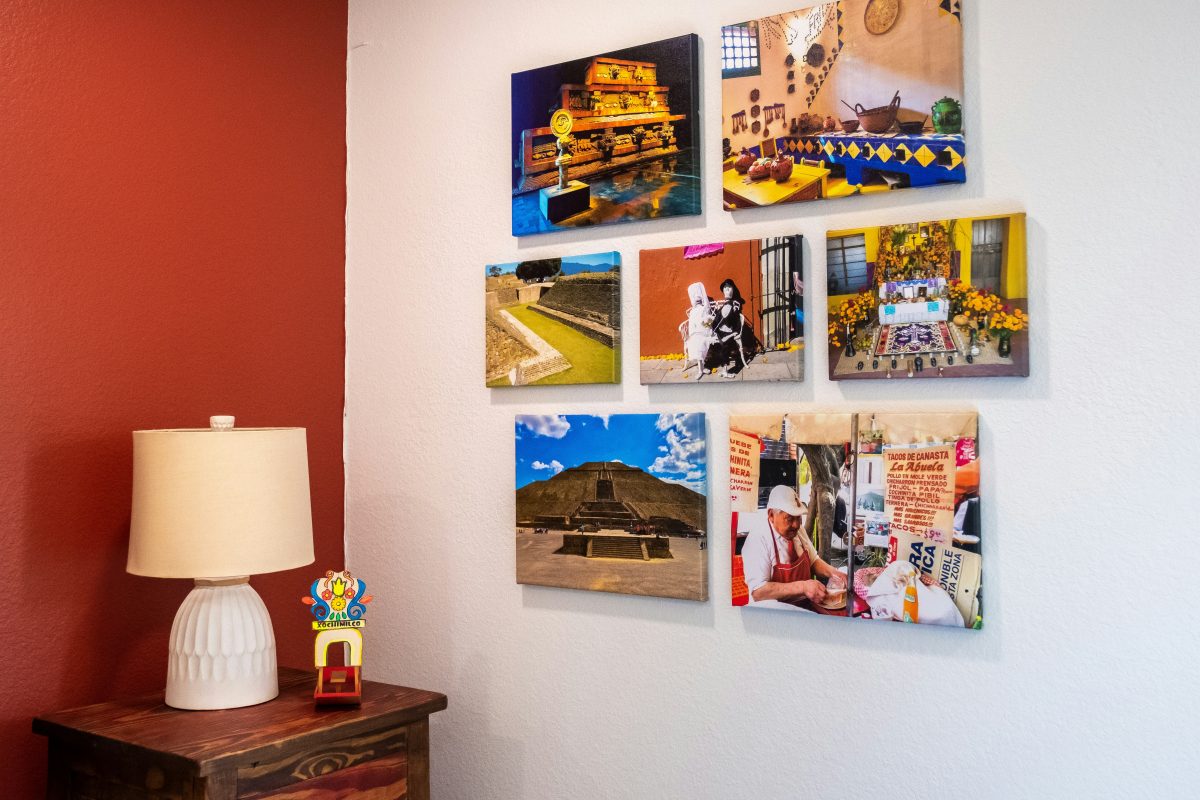
Photo by ASR Design Studio on Unsplash
Accessories are often added at the end of a decorating project, yet they have an enormous influence on the final result. The most successful interiors avoid filling every available surface and instead focus on displaying fewer pieces that genuinely contribute to the room’s personality.
Artwork, books, handcrafted ceramics, sculptural objects, and meaningful travel souvenirs create visual interest while reflecting the homeowner’s interests and experiences. Rather than purchasing decorative items simply because they match a trend, selecting objects with personal significance helps the room feel authentic.
Scale also matters. Larger statement pieces frequently have greater impact than numerous small decorations competing for attention. Leaving some surfaces intentionally uncluttered allows carefully chosen objects to stand out while making the entire room feel calmer and more sophisticated.
Bring Comfort Into Every Design Decision
A visually beautiful room quickly loses its appeal if it isn’t comfortable to use. The finest interiors combine elegance with practicality, ensuring that every design choice supports everyday living rather than existing purely for appearance. Comfortable seating, soft textiles, thoughtful furniture placement, and accessible storage all contribute to a space that people genuinely enjoy spending time in.
Comfort extends beyond physical furnishings. Good acoustics, pleasant room temperatures, and layouts that encourage natural movement all influence how welcoming an interior feels. Small adjustments, such as positioning seating to encourage conversation or placing side tables within easy reach, often improve the experience of using a room without requiring significant expense.
When comfort becomes part of the design process from the beginning, the finished room feels effortless rather than staged. This balance between beauty and function is what allows statement spaces to remain enjoyable long after the decorating project has been completed.
Let Every Element Support the Overall Vision
Strong interior design is rarely created through one dramatic feature alone. Instead, it emerges when every element contributes to a consistent visual story. Wall treatments, furniture, lighting, color palettes, textiles, and decorative accessories should work together instead of competing for attention. This sense of cohesion is often what distinguishes professionally designed interiors from rooms assembled around individual purchases.
Finishing touches are most effective when they reinforce the atmosphere the homeowner wants to create. A relaxing bedroom, an elegant dining room, or a welcoming living space each benefits from different design decisions, yet they all rely on the same principle of thoughtful balance. By focusing on quality, texture, proportion, and carefully selected details, even an ordinary room can become a memorable space that feels timeless, inviting, and uniquely personal.