What Should You Do Immediately After a Motorcycle Accident?
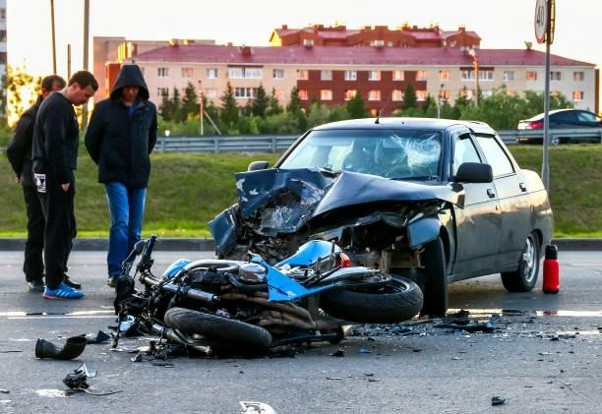
Immediately after a motorcycle accident, you should prioritize your safety, seek medical attention, report the crash to law enforcement, document the scene, and protect your legal rights. The moments following a collision can be confusing and stressful, especially when injuries or significant property damage are involved.
Taking the right steps early can help safeguard both your health and any future insurance or legal claim. Knowing what to do after a motorcycle accident can make a significant difference in your recovery and your ability to obtain compensation for your losses.
Understanding these actions before an accident occurs can help you respond more effectively if the unexpected happens.
Prioritize Safety First
Your first concern should always be safety.
If you are able to move and it is safe to do so, get yourself away from active traffic and other immediate dangers. However, if you suspect a serious injury, particularly involving your head, neck, or back, avoid unnecessary movement and wait for emergency responders.
Motorcyclists are especially vulnerable to severe injuries because they lack the physical protection offered by passenger vehicles.
Check yourself and others involved for injuries and call 911 as soon as possible.
Seek Medical Attention Immediately
Even if you believe your injuries are minor, it is important to obtain medical evaluation as soon as possible.
Some injuries may not show symptoms right away, including:
- Concussions
- Internal bleeding
- Soft tissue injuries
- Neck and spinal injuries
Prompt medical treatment helps protect your health and creates medical records that may later serve as important evidence.
Delaying treatment can not only worsen injuries but may also give insurance companies an opportunity to question the seriousness of your condition.
Contact Law Enforcement
Always report a motorcycle accident to the police.
When officers arrive, they will typically investigate the scene and prepare an accident report. This report often contains valuable information such as:
- Driver statements
- Witness information
- Road conditions
- Vehicle details
- Preliminary observations
Remain cooperative and provide accurate information, but avoid speculating about fault or making statements that could later be misunderstood.
The police report may become an important piece of evidence if a claim is filed.
Gather Evidence at the Scene
If your condition allows, document as much information as possible before leaving the accident scene.
Helpful evidence may include:
- Photographs of vehicle damage
- Images of road conditions
- Traffic signs and signals
- Visible injuries
- Debris and skid marks
You should also collect contact information from:
- Drivers involved
- Witnesses
- Responding officers
The more evidence you preserve, the easier it may be to establish what happened later.
Avoid Admitting Fault
Many people instinctively apologize after an accident, even when they are not responsible.
While being polite is appropriate, avoid making statements that could be interpreted as admitting fault.
Determining liability often requires a detailed investigation involving evidence, witness statements, and accident reconstruction.
Even seemingly harmless comments can be used against you during insurance negotiations or litigation.
Stick to factual information when speaking with police officers, other drivers, and insurance representatives.
Notify Your Insurance Company
Most insurance policies require timely reporting of accidents.
Provide your insurer with basic facts regarding:
- The date and location of the accident
- Parties involved
- Police report information
- Known injuries and damages
Be truthful but cautious. Avoid guessing about facts that are still unknown.
If an insurance adjuster requests a recorded statement, consider speaking with an attorney first, particularly if serious injuries are involved.
Preserve Records and Documentation
The period following a motorcycle accident often generates significant documentation.
Keep records of:
- Medical treatment
- Prescription costs
- Repair estimates
- Insurance correspondence
- Lost wages
- Out-of-pocket expenses
Organized documentation can strengthen a future claim and help demonstrate the full extent of your damages.
The more complete your records, the easier it may be to prove your losses.
Understand Your Legal Responsibilities
Motorcycle accidents may involve important legal obligations depending on where the crash occurs.
For example, Florida Statutes § 316.062 requires drivers involved in accidents resulting in property damage, injury, or death to provide certain identifying information and render reasonable assistance when necessary.
Failing to comply with applicable legal requirements can create additional complications after an accident.
Understanding these responsibilities helps ensure compliance with the law while protecting your interests.
Consider Consulting a Motorcycle Accident Attorney
Serious motorcycle accidents often result in substantial medical expenses, lost income, and long-term recovery challenges.
An attorney may help:
- Investigate the accident
- Preserve evidence
- Communicate with insurers
- Calculate damages
- Pursue compensation
Legal guidance can be especially valuable when liability is disputed or injuries are severe.
Seeking advice early may help protect your rights throughout the claims process.
Key Takeaways
- Prioritize safety and seek emergency assistance immediately after a motorcycle accident.
- Obtain prompt medical treatment, even if injuries seem minor.
- Contact law enforcement and ensure an official accident report is prepared.
- Gather photographs, witness information, and other evidence whenever possible.
- Avoid admitting fault or speculating about the cause of the accident.
- Notify your insurance company promptly and carefully.
- Keep detailed records of medical care, expenses, and losses.
- Florida Statutes § 316.062 outlines certain responsibilities following an accident.
- Early legal guidance may help protect your rights and strengthen a potential claim.