How to Choose the Right Warmer for Breast Milk
Warming breast milk seems like it should be simple, but many parents quickly discover it’s easy to get wrong. Milk heated unevenly can scald a baby’s mouth in one sip and feel lukewarm in the next, while milk left in hot water too long risks breaking down some of the beneficial compounds it took months to build in your own body. For new parents, especially those handling groggy overnight feeds, the pressure to get temperature right quickly, without hovering over a stove or guessing with a hand test, is real. This is where a dedicated warmer for breast milk changes the daily routine. Instead of relying on inconsistent methods, a good warmer brings milk to a safe, feeding-ready temperature in minutes, protects its nutritional value, and works the same way every single time regardless of who is preparing the bottle. Whether you are exclusively pumping, combination feeding, or storing milk for a caregiver, understanding what separates a reliable warmer from a mediocre one will save you stress at night and confidence during the day. This guide walks through what actually matters when choosing and using one.
Why Warming Breast Milk the Right Way Matters
Breast milk isn’t a static liquid, it contains live enzymes, antibodies, and delicate fats that respond to heat. Warm it too aggressively, such as boiling or microwaving, and some of those protective components lose effectiveness while the milk itself can develop dangerous hot spots that don’t feel hot to the touch but can burn a baby’s mouth or throat. On the other end, milk that isn’t warmed enough may cause a baby to refuse the bottle altogether, since many infants strongly prefer body-temperature milk over anything cold or lukewarm.
Consistency also matters for digestion. Milk that swings between too hot and too cold across feedings can unsettle a baby’s stomach and disrupt sleep, exactly what tired parents can’t afford. A dependable approach to warming isn’t about convenience alone, it is about preserving what makes breast milk valuable in the first place while making sure every bottle feels familiar to your baby. This is precisely the gap that specialized warming equipment is designed to close, offering a controlled process that a stovetop pot or running tap water simply cannot match in accuracy or repeatability.
What to Look for in a Warmer for Breast Milk
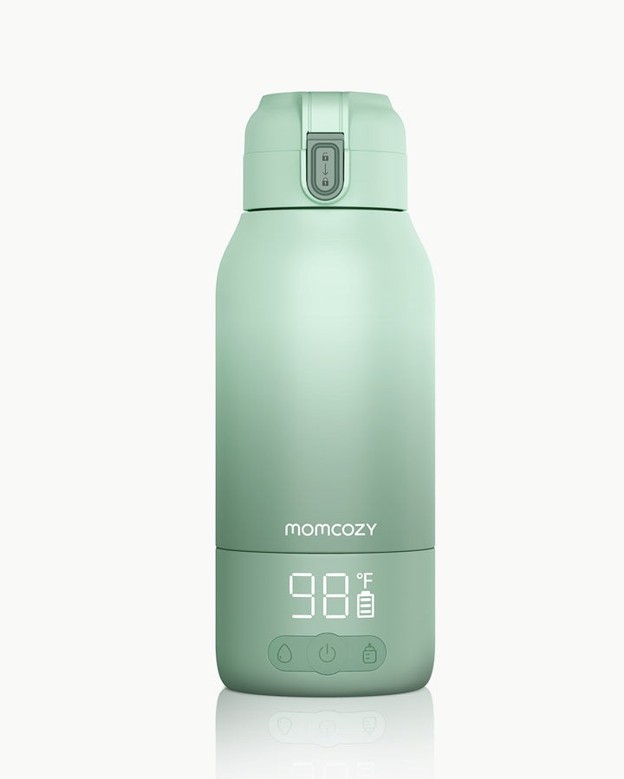
Not every warming device performs the same job well, so it helps to know which features actually matter before choosing one. Even, gentle heat distribution should top the list, since milk warmed unevenly in a bottle can have a scalding layer near the container wall while the center stays cool. Devices that circulate water or use gentle steam tend to outperform ones that apply direct, concentrated heat to a single spot.
Temperature control is another essential. A well-designed warmer for breast milk should let you set or maintain a target range rather than simply running for a fixed time, because milk volume, starting temperature, and bottle material all affect how quickly it heats. Some parents keep breast milk refrigerated, others keep it frozen, and a warmer that adjusts to both starting points without guesswork saves time and reduces the chance of overheating.
Ease of cleaning deserves attention too. Milk residue and mineral buildup from water can accumulate quickly, so removable parts and simple wipe downs matter more than they might seem at first glance. Finally, look at how the device signals that milk is ready, an audible alert or clear indicator prevents the common habit of opening the lid repeatedly to check, which lets heat escape and slows the whole process. Together, these features determine whether a warmer becomes a trusted part of the daily routine or an appliance that ends up back in its box within a month.
Fast and Quiet Warming for Nighttime Feeds
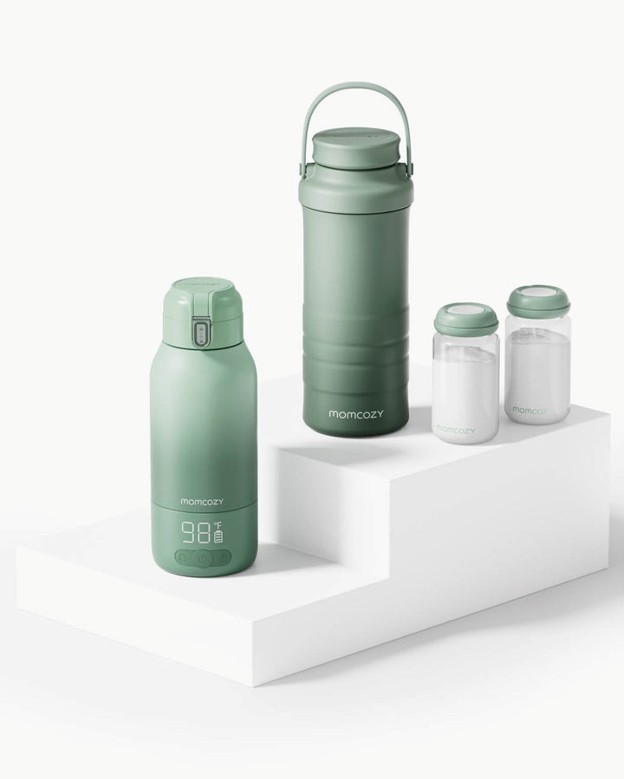
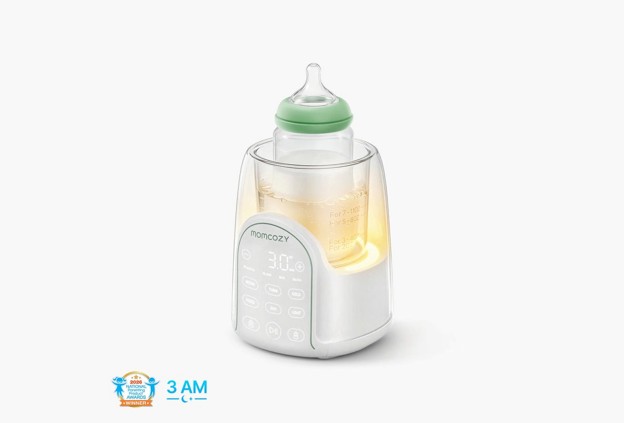
For parents handling overnight feeds, speed and quiet operation matter as much as safety. A warmer that takes a long stretch of time to bring a bottle to temperature isn’t practical when a hungry newborn is already crying, and a unit with loud beeps or a whirring motor can wake a baby who was still settling down. Look for warming cycles measured in just a few minutes, along with a low-noise design that doesn’t announce itself throughout the house.
Dim or soft indicator lights are a small detail that make a real difference in the middle of the night, since a harsh bright display can startle both baby and the half-asleep adult holding them. Placement in the routine matters as well, keeping the warmer on a nightstand or nearby counter rather than in another room cuts down on the number of steps between a cry and a calm feed. When speed, quiet, and easy nighttime access come together, warming breast milk stops being another obstacle in an already exhausting stretch of the night and becomes one less thing to think about.
Portability for Travel, Daycare, and On-the-Go Feeding
Not every feed happens at home, and parents who travel, commute, or drop off milk at daycare need a warmer that can keep up outside a kitchen. Compact size matters here, a bulky unit that only works near an outlet limits where and when it can be used. Battery powered or car adapter compatible options give parents the flexibility to warm milk during a road trip, at a relative’s house, or in a hotel room without hunting for the right plug.
Daycare providers also benefit from a warmer that’s simple enough for someone unfamiliar with your specific routine to operate correctly on the first try, since clear controls reduce the chance of milk being warmed incorrectly while you’re away. Momcozy’s approach to portable feeding gear reflects this same thinking, focusing on lightweight designs that fit into a diaper bag without adding significant bulk. When a warmer travels as easily as the rest of your baby gear, feeding schedules stay consistent no matter where the day takes you, which matters more than most parents realize until they’re caught without one.
Common Mistakes to Avoid When Warming Breast Milk
Even attentive parents fall into a few avoidable habits. Microwaving is the most common mistake, since microwaves heat unevenly and can destroy some of milk’s beneficial properties while creating pockets hot enough to injure a baby. Repeated reheating is another issue, milk that has already been warmed once and cooled should not be cycled through the process again, as this increases bacterial risk.
Guessing temperature by touch alone is unreliable too, what feels warm on an adult wrist can still be too hot or too cold for a baby’s sensitive mouth. Overfilling a warming container so water spills into the bottle’s opening is a smaller but real risk, one that a snug-fitting design helps prevent. Finally, ignoring manufacturer guidance on maximum warming time can lead to slowly cooking the milk rather than gently warming it. Avoiding these missteps is often less about buying new equipment and more about building a consistent, careful routine around whatever warmer you already use.
Simple Steps to Warm Breast Milk Safely at Home
Building a safe warming routine doesn’t need to be complicated once the basics are in place. Start by thawing frozen milk in the refrigerator overnight whenever possible, rather than warming it from frozen, since this reduces total warming time and heat exposure. Then follow a short, repeatable sequence:
- Place the bottle in the warmer without the lid sealed too tightly, allowing pressure to release.
- Set the appropriate cycle for the milk’s starting temperature, refrigerated versus frozen.
- Swirl the bottle gently once warming finishes to even out any remaining temperature differences.
- Test a small drop on your wrist before feeding, even with an automatic shutoff.
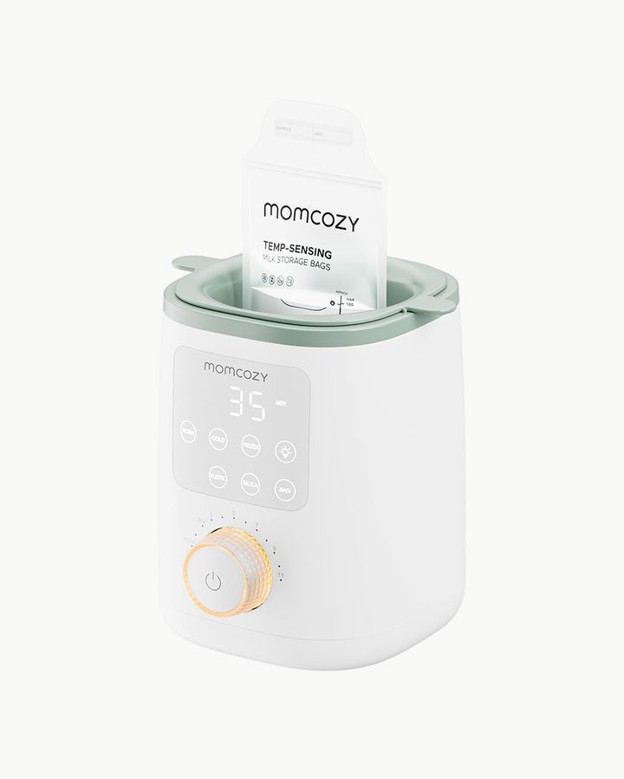
Momcozy designs its warming products around exactly this kind of routine, aiming to remove guesswork from each of these steps rather than adding more decisions for tired parents to make. Once this sequence becomes automatic, warming milk stops feeling like a task and simply becomes part of the rhythm of feeding, whether it’s the middle of the afternoon or the middle of the night.
Warming Breast Milk Should Never Be Guesswork
Choosing the right way to warm breast milk comes down to protecting what makes it valuable while making daily feeding easier for whoever is holding the bottle, whether that’s an exhausted parent at midnight or a caregiver at daycare. Even heat distribution, reliable temperature control, quiet fast cycles, and true portability aren’t small conveniences, they directly affect how safely and consistently a baby is fed. Avoiding shortcuts like microwaving or repeated reheating protects both nutrition and safety, while a simple, repeatable warming routine turns a stressful moment into a calm one.
There’s no single warmer that fits every family’s exact routine, but understanding these priorities makes it far easier to identify which features actually matter for your household. As feeding routines shift between home, travel, and childcare, having a dependable method for warming milk means one less variable to manage in an already demanding stretch of parenthood. Focus on safety and consistency first, and the right choice becomes much clearer.