Before You Buy a Generator, Understand How People Get Hurt
Every extended outage produces the same sequence. The power goes out, it stays out longer than anyone expected, and the hardware store sells every portable generator on the shelf by mid-morning. Most of those units get used safely. A small number are used in ways that kill people, and the deaths are almost entirely preventable and follow a pattern so consistent that safety agencies have been issuing the same warning for decades. Anyone buying a generator should understand that pattern before they need to use one.
Carbon Monoxide Is the Actual Danger
The hazard that causes fatalities is not fire or electrocution. It is carbon monoxide, an odorless gas produced by any engine burning fuel, and a portable generator emits it in quantities that can make an enclosed space lethal remarkably quickly. The deaths tend to share circumstances: the generator was run in a garage, on a porch, in a basement, or just outside a window, and people inside were asleep. Nobody smelled anything, because there is nothing to smell, and by the time symptoms register a person may not be capable of acting on them. This is why the safety rule is not “ventilate” but “outdoors and well away.”
Choose the Type Before the Model
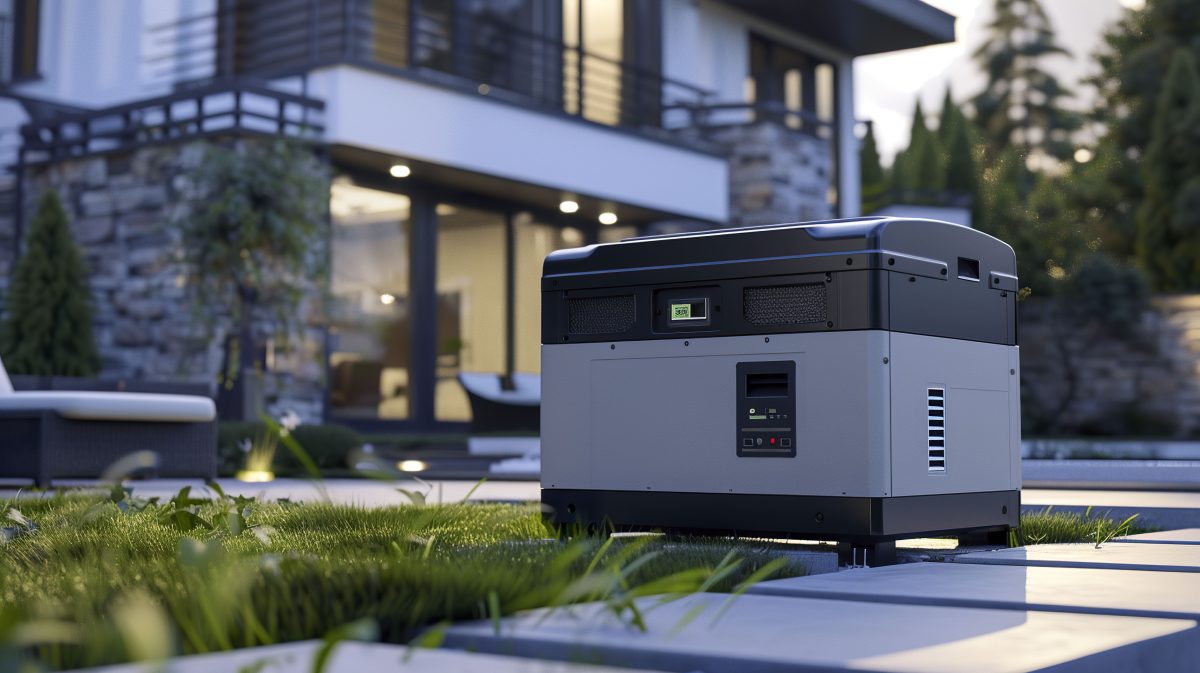
There are two genuinely different products sold under the same general name. A portable generator is fueled manually, started manually, and connected either by extension cords to individual appliances or through a properly installed transfer switch. A standby generator is permanently installed outside the house, runs on natural gas or propane, and starts automatically when utility power fails. Standby units cost substantially more and require professional installation and permitting, and they eliminate most of the ways people get hurt, since there is no refueling, no cord management and no temptation to bring anything indoors. A load calculation from Oregon Generators or another qualified installer is the sensible starting point for the standby route, because sizing is genuinely technical and guessing produces either an expensive overspend or a unit that stalls under load.
The Rules That Actually Prevent Deaths
For portable units, the guidance is specific and worth following exactly. The Consumer Product Safety Commission advises operating portable generators outdoors only, at least twenty feet from the home, with the exhaust directed away from doors, windows and vents, and it warns explicitly that garages, basements, crawlspaces and porches are not safe locations regardless of ventilation. It also recommends working battery-operated carbon monoxide alarms inside the home, which is the single most useful thing a household can add before a storm, since the alarms cost little and address exactly the failure mode that kills. Newer portable models with automatic CO shutoff features add another layer, and they do not replace the placement rules.
Never Backfeed Through an Outlet
The other lethal shortcut deserves naming because it is common and it kills people who had nothing to do with the decision. Plugging a generator into a wall outlet to energize a home’s wiring, sometimes called backfeeding, sends power back through the meter and onto the utility line, where it can electrocute a lineworker attempting a repair. It also bypasses the circuit protection in the panel. The correct method is a transfer switch or interlock installed by a licensed electrician, which safely isolates the house from the grid before the generator carries any load. This is not an area where a workaround is acceptable, and most jurisdictions require a permit and inspection for the installation.
Fuel, Storage and the Things That Go Wrong Quietly
A generator that will not start during an outage is a common and infuriating outcome, and the causes are predictable. Gasoline degrades in months, so fuel stored since last winter may not run an engine that would otherwise be fine. Ethanol blends attract moisture, which is why fuel stabilizer and periodic rotation matter. Engines that sit unused develop carburetor problems. Refueling a hot engine risks igniting spilled fuel, so units need time to cool first. The practical routine is to start the generator every few months, run it briefly under some load, and keep fuel fresh, which takes twenty minutes a year and is the difference between owning a generator and owning a heavy object.
Work Out What You Actually Need Running
Sizing is where most buyers either overspend or under-buy. Rather than aiming to power everything, list what genuinely matters during an outage: the refrigerator and freezer, some lighting, a furnace fan in winter, medical equipment where relevant, and a way to charge phones. Motors draw considerably more current at startup than while running, which is why a unit sized on running watts alone will stall when the well pump kicks in. Anyone with medical equipment that depends on power should treat this as a planning matter rather than a convenience one and should discuss backup arrangements with their provider.
Decide Now, Not During the Storm
The last point is about timing. Generators sell out ahead of forecast weather, electricians book up, permits take time, and a household making decisions under pressure makes worse ones. Working out which route suits your home, what it would cost, and what safety equipment you need is a calm afternoon’s work in a month when nothing is happening. The households that come through long outages comfortably are not usually the ones who bought the largest unit. They are the ones who thought it through before the lights went out.