Design Strategies That Help Developers Build Stronger, More Resilient Multifamily Communities
Modern multifamily development is evolving as residents, investors, and municipalities place growing emphasis on resiliency, long term performance, and community appeal. The demand for rental housing continues to rise, but so does the expectation that these communities should be built to last. Developers who understand how to incorporate resiliency from the earliest stages of planning are able to deliver projects that withstand shifting conditions while offering strong value over time.
A resilient multifamily community is not simply durable. It must also support comfortable living, efficient operations, and adaptable spaces that remain relevant as needs change. This requires thoughtful design, careful material selection, strong project coordination, and an understanding of how each choice influences long term outcomes.
Success in this area often depends on collaboration with knowledgeable partners. Builders like ELITE construction play a critical role by offering practical guidance, construction insight, and reliable quality control throughout the project. When experienced teams work together from concept to completion, developers are better positioned to create multifamily communities that remain functional, attractive, and cost effective well into the future.
Why Resiliency Matters in Modern Multifamily Development
Resiliency has become a key priority for developers across the country. Weather patterns, regulatory updates, and evolving tenant expectations all influence how communities must be designed and built. Multifamily housing is a long term investment, so it is essential that structures remain safe, efficient, and appealing through future changes.
Several factors contribute to the growing focus on resiliency:
- Changing climate patterns that impact building performance
- Rising operational costs that make efficiency more valuable
- Increased tenant expectations for comfort and sustainability
- Insurance considerations in regions with environmental risks
- Municipal requirements for safer, more durable construction
Developers who recognize these challenges early can create communities that maintain strong performance for decades. Resiliency also supports financial stability by reducing long term maintenance needs and attracting renters who value well planned environments.
Early Design Decisions That Shape Long Term Performance
The earliest stages of development have the strongest influence on long term success. Choices made during conceptual planning, engineering, and initial design determine how well a building will withstand both environmental and operational challenges over time.
Here are several early design strategies that improve resiliency:
- Thoughtful site selection and orientation
The location of a structure determines how it interacts with sun, wind, water, and surrounding infrastructure. Proper orientation can also reduce heating and cooling needs. - Choosing structural systems that support longevity
Reinforced materials, high quality framing systems, and durable foundations all contribute to long term performance and reduced maintenance. - Incorporating efficient mechanical systems
Mechanical, electrical, and plumbing systems must be designed to operate reliably and economically. Early decisions influence energy use, maintenance costs, and overall building comfort. - Planning for future adaptability
Design flexibility makes it easier to adjust spaces as resident needs evolve. Modular interior walls, adaptable common areas, and multi use layouts support long term relevance. - Prioritizing drainage and water management
Effective drainage systems protect foundations and reduce water related damage. This is especially important in regions with heavy rainfall.
By focusing on these elements early in the design process, developers build a strong foundation for durability, safety, and efficient operation.
Creating Multifamily Spaces That Balance Function and Longevity
Interior and exterior design choices directly influence tenant satisfaction, maintenance requirements, and long term building performance. When a community is designed with functionality and durability in mind, developers benefit from reduced turnover, lower repair costs, and more predictable operational outcomes.
Key design considerations include:
- Efficient interior layouts that support comfortable, functional living
- Natural lighting strategies that enhance resident well being and reduce energy use
- Durable finishes such as flooring, cabinetry, and surfaces that withstand heavy use
- Outdoor amenities that encourage community interaction and long term resident engagement
- Smart storage solutions that improve daily convenience
Developers should also consider the maintenance impact of every design choice. Materials that resist wear, moisture, and staining support longer service life and reduce recurring costs. Simple design decisions like using high quality paint, durable countertops, and robust hardware can have a meaningful effect on longevity.
A well designed community also creates a sense of belonging. Spaces that feel intentional, inviting, and cohesive help attract residents who want to stay long term, strengthening the overall performance of the property.
Construction Practices That Strengthen Project Outcomes
While strong design establishes the foundation for resiliency, construction practices determine whether those ideas translate into real world performance. Quality control, communication, and consistent oversight play essential roles in ensuring that buildings are constructed to meet long term expectations.
Developers benefit from focusing on practices such as:
- Establishing a clear chain of communication among all project partners
- Coordinating trades effectively to avoid schedule conflicts
- Monitoring installation quality throughout the project
- Reviewing materials to ensure they meet specifications
- Verifying compliance with local codes and safety guidelines
Experienced contractors are especially important during this stage. ELITE construction brings hands-on industry insight that helps reduce delays, anticipate challenges, and maintain consistency across all phases of the project. Their involvement supports better planning, clearer documentation, and smoother workflows from start to finish.
It is during this stage that developers see the value in specialized areas of knowledge, including multifamily construction, which helps ensure that both design intent and long term goals are achieved. When construction teams understand the unique demands of multifamily environments, they can implement methods that strengthen durability, safety, and operational efficiency.
How Strong Partnerships Improve Resilient Development
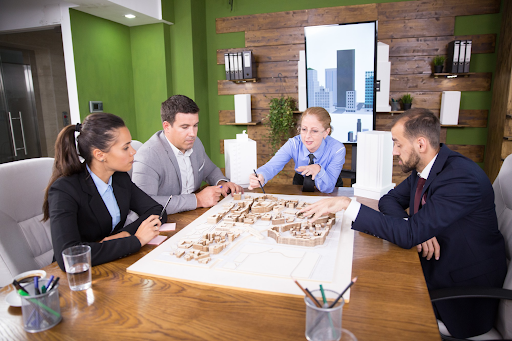
Resilient multifamily communities are the result of collaboration among developers, architects, engineers, and contractors. Each partner contributes experience that influences building quality and long term performance. Strong communication and shared understanding reduce risks while improving outcomes.
Working with an experienced contractor offers several advantages:
- Better coordination across teams and trades
- More accurate scheduling and procurement planning
- Increased transparency with progress updates and project decisions
- Improved accountability at every stage of construction
- Reduced risk of unexpected expenses or delays
When all partners work together with a clear vision, multifamily projects benefit from higher quality workmanship, stronger durability, and improved long term financial performance. Consistent collaboration ensures that each part of the project aligns with both immediate goals and long term objectives.
Conclusion
Resilient multifamily communities rely on more than modern architecture or appealing amenities. They require thoughtful planning, intentional design, and construction practices that support long term performance. As renter expectations and market pressures continue to evolve, developers who focus on durability, efficiency, and adaptability will create communities that stand out in competitive markets.
Partnerships with experienced builders like ELITE construction play a key role in this process. Their insight and reliability help ensure that design goals are achieved, construction quality remains consistent, and long term performance stays strong. By prioritizing resiliency from the earliest stages of development, developers can create communities that deliver lasting value to residents, owners, and investors alike.
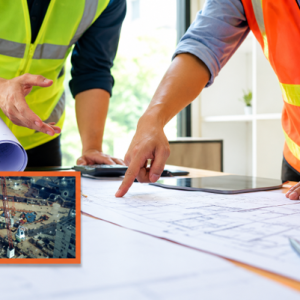
Read more: construction workers looking at plan
Read more: How Home Staging Helps Vacant Homes Feel More Inviting to Potential Buyers
Read more: The Exterior Upgrades That Add Protection and Lasting Value