The Impact of University Learning on Modern Career Growth
Navigating a career path demands continuous learning and adaptation. Advanced education equips professionals with structured knowledge, practical techniques, and credential recognition.
Modern workplaces value structured qualifications that demonstrate personal discipline and specialized competence. Strategic learning decisions create clear paths toward long-term professional development.
Building expertise through tertiary study opens doors across dynamic industries. Knowledge gained in classroom settings allows individuals to adapt to changing organizational demands. Professional growth relies on combining practical experience with formal instruction.
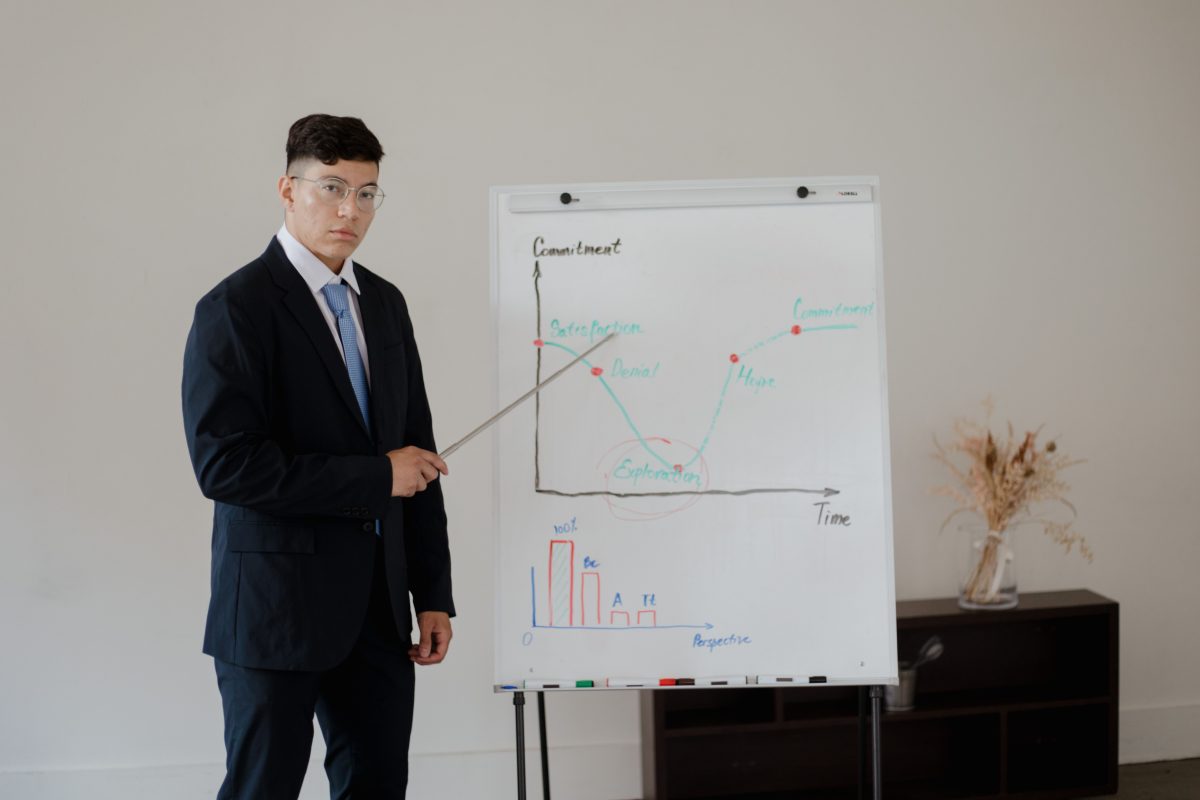
Higher Education Expands Industry Career Pathways
Stepping into modern industries often requires specialized qualifications that validate your skill set. Academic credentials signal to hiring managers that an applicant possesses rigorous training and core field knowledge.
Staying relevant in competitive job markets requires ongoing skill development and formal learning. Many ambitious individuals enroll in a bachelor degree course to gain specialized expertise that sets them apart from other candidates. Structured academic programs offer frameworks that prepare candidates for specialized roles.
Workplace expectations continue shifting as organizations seek specialized talent. Higher qualifications allow candidates to pivot into emerging fields with confidence.
Formal study exposes learners to current industry standards and updated methodologies. Professional credentials serve as clear indicators of readiness for complex assignments.
Stronger Earning Potential Over A Career
Formal credentials directly influence baseline salary offers and long-term earning trajectories. Financial security remains a primary goal for working professionals seeking advanced qualifications.
Data from national education statistics indicates that bachelor’s degree completers achieved median earnings of $49,500, marking 35 percent higher earnings than associate degree holders. Financial gains compound over decades of steady employment.
Higher qualifications unlock distinct financial advantages:
- Higher starting salaries in competitive corporate entry points.
- Accelerated eligibility for high-paying managerial roles.
- Increased negotiation leverage during performance evaluations.
Earning potential grows when workers possess recognized qualifications. Higher baseline compensation leads to larger bonuses and stronger retirement contributions over decades of active work.
Higher Employment Security Across Markets
Economic shifts affect workforce stability across every industry sector. Advanced qualifications provide a buffer during periods of economic realignment and corporate restructuring.
European statistical figures showed an 87.0 percent employment rate for recent tertiary graduates, compared to 77.2 percent for individuals with medium education levels. Higher education levels consistently correlate with stronger workforce retention.
Graduates adapt faster when market conditions change, or technology alters workplace needs. Comprehensive academic preparation builds adaptable skill sets that employers retain during downturns.
Organizations protect assets by retaining highly trained talent during market shifts. Specialized skills make workers adaptable when companies reallocate staff to core priorities.
Long-Term Career Stability And Low Unemployment
Job security extends beyond initial hiring metrics into long-term career resilience. Working professionals with advanced degrees face reduced risk of extended joblessness.
Labor market statistics indicate that higher educational attainment corresponds directly with decreased unemployment rates and increased earnings across career stages. Consistent employment creates financial stability and career momentum.
Organizations prioritize retaining workers with specialized academic training during organizational shifts. Technical understanding combined with systematic problem-solving makes educated workers invaluable to leadership teams.
Steady employment allows professionals to build continuous work histories without long operational breaks. Consistent career progression supports long-term personal financial goals.
Developing Advanced Critical Thinking Skills
Academic environments challenge professionals to analyze complex scenarios and evaluate strategic options. University coursework goes beyond technical knowledge by building analytical capabilities.
Students learn to process unstructured information and formulate evidence-based solutions. These cognitive skills apply directly to high-level decision-making in corporate settings.
Professional challenges require methodical analysis rather than simple intuition. Classrooms provide structured debates and research projects that sharpen reasoning abilities.
Strong analytical skills allow managers to evaluate market risks accurately. Decision makers rely on evidence-based reasoning to steer organizations through operational challenges.
Good thinking skills help you adapt when things change at work. Seeing different viewpoints helps you make smarter calls. Research and teamwork sharpen your problem‑solving, even outside the classroom. These skills help you find opportunities, tackle challenges, and plan well. They also set you up for growth and leadership down the road.
Building Professional Networks That Last
University campuses and online cohorts connect professionals with peers, mentors, and industry contacts. Collaboration during academic projects builds relationships that extend into future business ventures.
Peer connections established during study often turn into referral networks and collaborative partnerships. Mentors provide career guidance, industry insights, and introductions to prospective employers.
Networking within academic settings creates organic connections built on shared experiences. Long-term professional growth relies heavily on strong industry relationships.
Alumni networks connect graduates across global corporate markets. These connections open doors to unadvertised positions and strategic business collaborations.

Investing time and energy into higher education builds a foundation for lifelong career achievement. The benefits reach beyond individual paychecks into personal growth, job stability, and professional resilience.
Professionals who pursue academic advancement gain tools needed to navigate evolving global markets successfully. Strategic educational choices open doors to sustainable leadership opportunities.
Read more: Why Continuous Learning Matters for Nurses Today
Read more: How Education Grants Are Fueling Growth at Local Colleges and Universities
Read more: How Virtual Education Is Transforming Learning Opportunities Across Different Age Groups