Beyond Recovery: Adjusting To Life After A Serious Injury
When a severe accident occurs, the immediate focus is naturally on survival, emergency medical intervention, and stabilizing the patient. The weeks and months that follow are typically consumed by intensive medical treatment and physical therapy. However, once the initial medical crisis has passed, survivors face an entirely different and often more daunting challenge: adjusting to a new reality. Moving “beyond recovery” means acknowledging that life may not return to exactly how it was before the accident.
Instead, it involves a multifaceted journey of physical, emotional, and social adaptation. This transition requires immense resilience, support, and patience as individuals learn to navigate a world that may look and feel fundamentally changed.
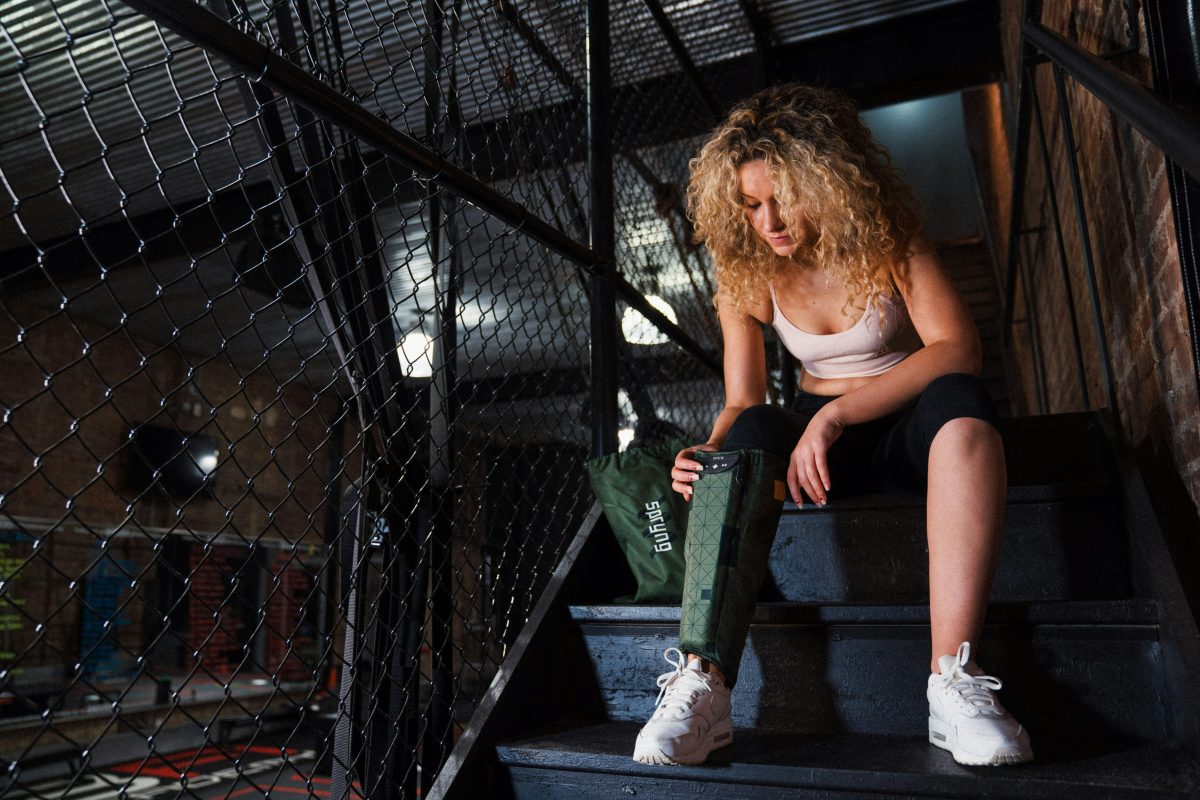
Defining the Scope of the Injury
The first step in this long-term adjustment process is fully understanding the nature of the medical condition. While many serious injuries eventually heal, allowing individuals to resume their previous lifestyles, others result in permanent, life-altering consequences. Patients and their families must understand what qualifies as a catastrophic injury. Catastrophic injuries typically include severe traumatic brain injuries (TBIs), spinal cord damage resulting in partial or total paralysis, amputations, or severe burns.
These are injuries that permanently prevent an individual from performing any gainful work or fundamentally alter their ability to live independently. Understanding this distinction is vital, as it shifts the focus from temporary rehabilitation to long-term life planning, specialized care requirements, and securing the necessary resources for a lifetime of support.
The Physical Adjustment
Adjusting to life after a severe physical trauma often necessitates relearning how to perform everyday tasks. For someone who has experienced paralysis or the loss of a limb, simple routines like getting dressed, preparing a meal, or navigating a home environment become significant challenges. This phase relies heavily on ongoing occupational and physical therapy.
Furthermore, the physical adjustment frequently involves adapting the living environment. Installing wheelchair ramps, widening doorways, and retrofitting bathrooms are often necessary steps to reclaim independence. Chronic pain is also a frequent companion for survivors of serious trauma. Managing this pain requires a comprehensive approach that goes beyond medication, often incorporating alternative therapies, adaptive technologies, and ongoing consultation with specialists. Non-profit organizations provide extensive resources for individuals learning to navigate the physical complexities of life-altering mobility impairments, ensuring survivors do not have to figure out these physical adaptations alone.
The Psychological and Emotional Toll
The invisible scars of a severe injury are often just as profound as the physical ones. It is entirely normal for survivors to experience a deep sense of grief – mourning the loss of their former abilities, their previous lifestyle, and sometimes, their perceived future. Conditions such as post-traumatic stress disorder (PTSD), severe anxiety, and clinical depression are incredibly common among trauma survivors.
The emotional adjustment requires professional intervention just as much as the physical body requires a physician. Therapy, counseling, and psychiatric support are critical components of long-term healing. Ignoring the mental health aspect of recovery can severely hinder overall progress and drastically reduce a survivor’s quality of life.
Social and Interpersonal Changes
A life-altering injury impacts not just the individual but their entire social ecosystem. Family dynamics often shift dramatically following a severe accident. A spouse may suddenly become a primary caregiver, or a parent may need to rely on their adult children for assistance, reversing established roles. These shifts can breed feelings of guilt, frustration, and isolation for all parties involved if not managed with open communication.
Furthermore, survivors may find that their friendships change, particularly if previous social activities revolved around physical hobbies they can no longer participate in. Building a new community is essential. Joining support groups, whether in-person or online, allows survivors to connect with others who truly understand the unique hurdles they are facing. Shared experiences foster a sense of belonging and can provide practical, lived-in advice for navigating daily challenges.
Navigating the Financial and Professional Reality
The financial devastation that accompanies a serious injury is a primary source of stress during the adjustment period. The combination of astronomical medical bills, the cost of ongoing care, necessary home modifications, and a sudden loss of income can quickly deplete a family’s savings.
Many individuals with severe injuries are unable to return to their previous line of work, necessitating vocational rehabilitation. This process involves assessing current physical and cognitive abilities, retraining for new career paths, or exploring reasonable accommodations that allow for a return to the workforce in a modified capacity. Seeking guidance from state-sponsored disability services or educational institutions is often a critical step in regaining financial stability and a renewed sense of professional purpose.
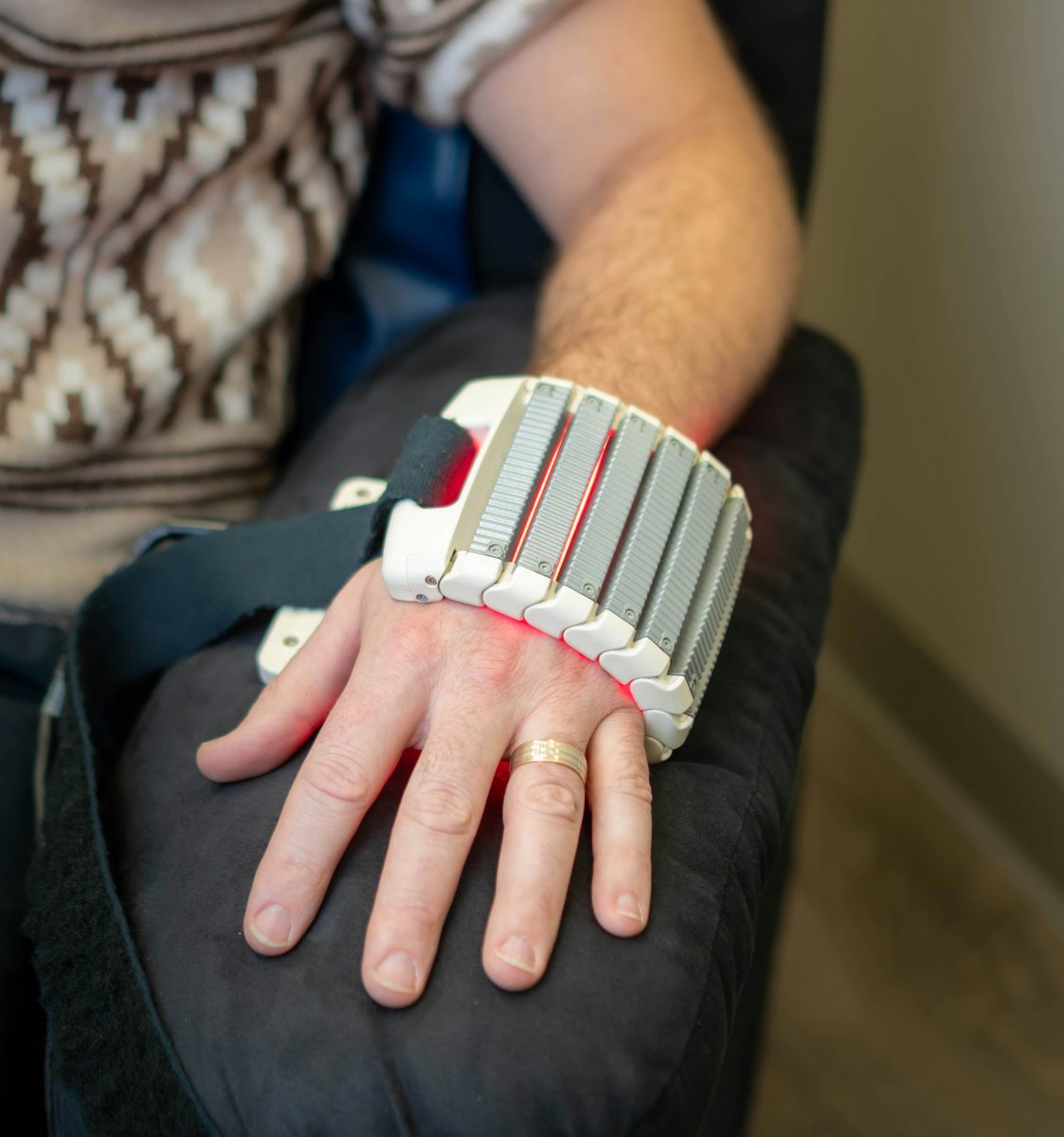
Adjusting to life after a serious injury is not a linear process; it is a marathon fraught with setbacks, frustrations, and unexpected triumphs. It requires redefining what constitutes a fulfilling life and learning to find joy and purpose in entirely new ways. While the journey is undeniably arduous, the human spirit is remarkably adaptable. By embracing comprehensive support systems, encompassing physical rehabilitation, mental health care, community engagement, and financial planning, survivors can move beyond the shadow of their injuries. They can build a “new normal” that, while different from their past, is still rich with meaning, connection, and infinite possibility.
Read more: Occupational Therapy: Regaining Independence After a Major Setback
Read more: The Injury That Follows You Long After the Accident
Read more: Signs a Child’s Head Injury Needs More Than Rest