What Should Property Owners Know About Tenant Expectations
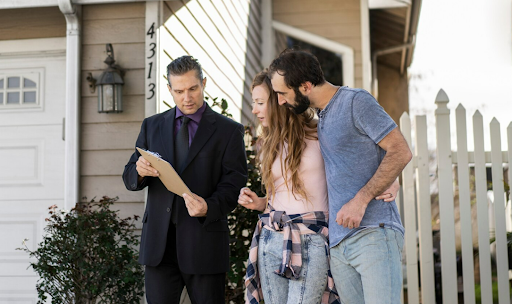
Tenants rarely judge a rental only by its square footage or kitchen finishes. They also notice how quickly questions are answered, whether repairs are handled properly, how clear the lease is, and whether move-in matches what was promised.
Those expectations matter financially. Current U.S. Census Bureau figures put Atlanta’s median gross rent at $1,711, while just 46.4% of occupied housing units are owner occupied. That means rental housing serves a substantial share of Atlanta households. Atlanta housing data
Owners do not need to offer luxury service. They do need to provide a safe, functional rental and a predictable experience from application through move-out.
Start With Accurate Expectations Before Move-In
Tenant expectations begin before the lease is signed.
Listings should accurately describe the property, monthly rent, required fees, included appliances, pet policies, parking, utilities, available date, and other significant conditions.
Photos should reflect the home’s current condition rather than an earlier renovation or staged version that no longer exists.
Clear advertising accomplishes two things. It helps qualified renters decide whether the property fits their needs, and it reduces disappointment after move-in.
The same principle applies during showings. If landscaping responsibilities, HOA requirements, parking restrictions, or utility arrangements will affect the tenant, explain them before the lease is executed.
How Property Management Companies in Atlanta Help Set Expectations
Professional property management companies in Atlanta can help create consistency between what applicants are told, what the lease requires, and what tenants experience after they receive the keys.
That may include leasing communication, screening, rent collection, maintenance coordination, inspections, documentation, renewals, and resident support.
Consistency becomes especially important when owners manage multiple homes or cannot personally respond to every inquiry.
When comparing Atlanta rental property management companies, landlords should look beyond promises of convenience. Ask how tenant questions are handled, how maintenance requests are prioritized, how lease requirements are communicated, and what happens when a service issue remains unresolved.
A dependable process helps both sides understand what should happen next.
Tenants Expect a Safe and Functional Home
Most renters are not expecting perfection. They are expecting basic systems to work.
Plumbing, electrical systems, heating and cooling, appliances included with the lease, exterior doors, locks, windows, and safety equipment should be checked before occupancy.
A cosmetic issue may be annoying. A failed HVAC system during an Atlanta heat wave is a different matter.
This is where proactive maintenance becomes valuable. Owners who inspect systems between tenancies and address developing issues early are less likely to begin a new lease with repeated repair calls.
For single family home property managers Atlanta owners evaluate, this expectation extends beyond the interior. Single-family homes can include lawns, garages, fences, drainage, exterior lighting, roofs, and other features that require clear maintenance responsibilities.
Prompt Maintenance Matters More Than Instant Maintenance
Tenants generally understand that every repair cannot happen immediately. What causes frustration is silence.
A useful maintenance process acknowledges the request, identifies its urgency, explains the next step, and provides updates when scheduling changes.
True emergencies need immediate attention. Routine repairs still deserve reasonable follow-through.
Owners should also give tenants a clear maintenance reporting channel rather than relying on scattered texts, calls, and emails.
Full service rental managers Metro Atlanta landlords consider often use centralized maintenance systems because documentation becomes especially important when multiple properties, vendors, and open work orders are involved.
The goal is not to promise impossible response times. It is to keep tenants informed while getting legitimate problems resolved.
Renters Are Under Real Housing Cost Pressure
Clear financial communication matters because rent already represents a significant expense for many households.
HUD’s latest national housing-needs report identifies 8.46 million very low-income renter households with worst-case housing needs. It also reports that only 59 affordable units are available for every 100 very low-income renter households. Rental housing needs data
Owners cannot control the wider housing market, but they can control how clearly financial obligations are communicated.
Rent, required fees, due dates, late-payment terms, utilities, deposits, and renewal changes should not come as surprises.
Clear financial expectations reduce disputes and help tenants budget realistically before committing to a lease.
Communication Should Be Predictable, Not Constant
Tenants do not necessarily need frequent contact with a landlord or manager. They need to know how to reach the right person when something matters.
Set communication procedures at move-in.
Explain how tenants should report maintenance, where rent is paid, whom they should contact in an emergency, and how routine questions are handled.
Owners should also establish reasonable boundaries. A professional rental relationship does not require being available for every nonurgent question at every hour.
Good Atlanta residential landlord services create channels that are responsive without becoming chaotic.
Privacy and Proper Notice Matter
A rental is an investment for the owner, but it is also the tenant’s home during the tenancy.
Routine inspections, repairs, preventive maintenance, and other legitimate access may be necessary. Those visits should be handled professionally and in accordance with applicable lease terms and legal requirements.
Avoid unnecessary drop-ins.
Whenever practical, tell tenants why access is required, provide appropriate notice, and define an expected window.
Respectful access builds trust while still allowing owners to monitor property condition and complete necessary work.
Information Gain: Run a Tenant Expectation Gap Audit
Many landlords inspect the physical property but never inspect the rental experience itself.
A Tenant Expectation Gap Audit looks for places where what the tenant expects and what the owner actually delivers are drifting apart.
Review five moments in the tenancy:
Listing to showing: Did the property match the advertisement?
Showing to move-in: Were fees, conditions, rules, and responsibilities explained consistently?
Move-in to first maintenance request: Did the tenant know exactly how to request help?
During the lease: Were inspections, rent procedures, and communication predictable?
Renewal or move-out: Were timelines and next steps explained before deadlines became urgent?
Give each stage a simple rating: clear, inconsistent, or unclear.
Any stage rated unclear deserves attention first.
This audit is useful because tenant dissatisfaction does not always start with one large failure. It often grows from repeated small gaps between what someone reasonably expected and what actually happened.
Tenants Expect Fair and Consistent Lease Enforcement
Lease rules lose credibility when they are enforced randomly.
If rent is due on a certain date, maintenance responsibilities are assigned to the tenant, pets require approval, or landscaping standards apply, those expectations should be written clearly and administered consistently.
The same principle applies to owner responsibilities.
Tenants should not have to repeatedly request something the lease or normal property operation clearly requires.
Consistency protects the relationship from becoming personal. Decisions can be tied back to documented procedures rather than changing depending on the tenant or situation.
Convenience Has Become Part of the Rental Experience
Online payments, digital lease signing, maintenance portals, electronic notices, and organized property records can make routine tenancy easier.
Technology itself is not the goal.
A complicated portal that nobody understands is worse than a simple system that works.
The best property management for landlords in Atlanta should combine convenient technology with access to real support when an issue cannot be solved through an automated process.
Owners should think about friction. Every unnecessary step involved in paying rent, reporting repairs, finding documents, or receiving updates makes an otherwise straightforward tenancy harder.
Five Questions Property Owners Commonly Ask
What do tenants expect from a good landlord?
Tenants generally expect a safe and functional home, clear lease terms, reasonable privacy, dependable maintenance, accurate financial information, and professional communication. They do not necessarily expect every request to be completed immediately. They do expect legitimate concerns to be acknowledged and handled through a consistent process.
How quickly should landlords respond to maintenance requests?
Response time should reflect the urgency of the problem. Emergencies require immediate attention, while routine repairs can follow normal scheduling. Even when work cannot be completed quickly, landlords should acknowledge the request, explain what happens next, and update the tenant if the repair schedule changes.
What information should tenants receive before moving in?
Tenants should understand rent, required fees, utility responsibilities, payment procedures, maintenance reporting, parking, pet rules, property-specific responsibilities, emergency contacts, and important lease requirements. Providing this information before or during move-in reduces confusion and gives both landlord and tenant a shared reference point for the tenancy.
Do tenants expect landlords to make upgrades during a lease?
Tenants usually expect necessary repairs and agreed property standards to be maintained, not continuous cosmetic upgrades. Optional improvements depend on the property and lease. Owners should prioritize safety, functionality, preventive maintenance, and items affecting normal use before considering purely decorative changes requested during an active tenancy.
How can landlords improve tenant retention?
Retention improves when the home stays functional, communication remains professional, maintenance is handled consistently, financial expectations are transparent, and renewal decisions are communicated early. Owners should also review recurring complaints. Solving repeated sources of friction can be more valuable than adding expensive amenities that tenants never requested.
Actionable Takeaways for Atlanta Property Owners
Tenant expectations are easiest to manage when they are defined before problems occur.
Start by reviewing your listing, lease, move-in instructions, maintenance process, payment procedures, inspection communication, and renewal workflow.
Then run the Tenant Expectation Gap Audit.
Focus first on places where your process is inconsistent or unclear rather than spending money on amenities simply because other rentals offer them.
A professionally managed rental experience comes down to a few repeatable habits: accurately represent the property, maintain essential systems, communicate responsibilities clearly, respond to legitimate issues, document important decisions, and apply lease terms consistently.
Owners who get those basics right make the tenancy easier for renters while also protecting the property and reducing avoidable management problems.
Read more: How to Choose a Fitout Builder in Melbourne: A Guide for Commercial Tenants
Read more: Understanding Your Rights as a Tenant: How to Protect Yourself from Unfair Treatment
Read more: A Tenant’s Guide to Landlord Harassment Prevention