Planning Ahead for Severe Weather: Protecting Valuables Before a Storm
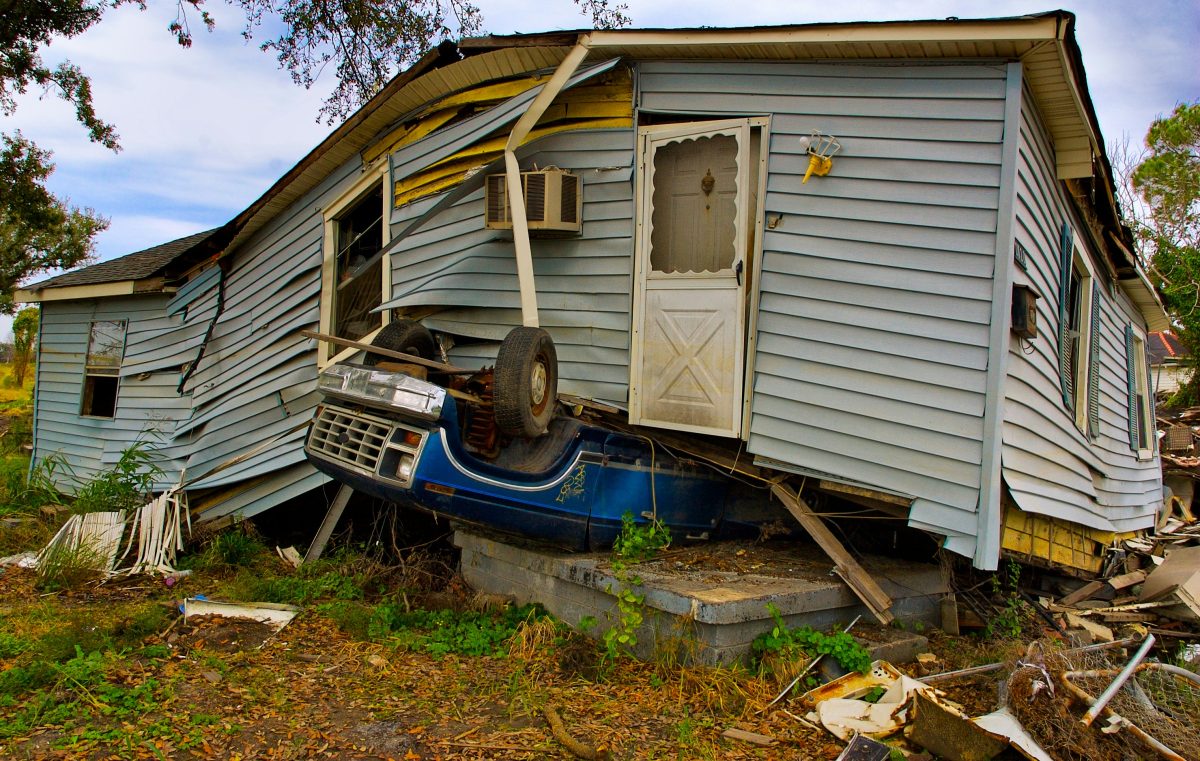
Photo by John Middelkoop on Unsplash
Have you ever seen a tornado warning flash across your tv and panicked because your garage is full of irreplaceable items?
The majority of people just wait. They wait for sirens. They wait until they get an evacuation notice… By then all you can do is grab the dog and leave.
Here’s the problem:
Storms are increasing in frequency and vastly more costly. There were 23 billion-dollar disasters in the US in 2025 alone, totaling around $115 billion. This isn’t some anomalous year. This is the new normal.
The good news?
Nearly everything that can be destroyed in a storm can also be lifted, relocated or photographed weeks before. Preparation costs little. Replacement does not.
What’s covered below:
- Why Storm Damage Keeps Climbing
- Getting Valuables Off The Property
- The Home Inventory Most People Skip
- Protecting What Stays Behind
Severe Weather Is Not Slowing Down.
The numbers tell an uncomfortable story.
Massive disasters used to occur years apart. In the 1980s there were even months between billion-dollar disasters. The U.S. now sees a billion-dollar weather calamity once every 10 days. Tornado outbreaks, hailstorms, flash floods, hurricanes — they pile on with little time for recovery in between.
Nor are homeowners stepping up. Studies reveal that one in three homeowners have made no effort to protect their homes whatsoever, and almost half of those attribute it to thinking their area is not at risk.
That’s what you don’t believe. That’s the pricey part. Storms don’t look at a map first. Inland flooding, quarter-mile winds and hail damage occur hundreds of miles off the coast.
Getting Valuables Off The Property Entirely
The safest place to keep valuables during bad weather is somewhere the weather isn’t. Moving boxes upstairs is a little better. Moving them off premises is MUCH better.
That’s where rented storage makes itself valuable. A dry unit on elevated ground behind a steel door and up off the concrete floor is infinitely better place for photo albums, tools and musical instruments than a garage that sits four inches above the water table. Storage locker prices are also more affordable than most people think – often less per month than one family night out to dinner. Check out storage locker prices in your area before the next storm season: https://www.sparefoot.com/near-me/locker-storage.html
Oh, and book early. Outdoor storage units closest to the coast go FAST once a named storm shows up on a weather map, and locker rates are typically cheaper wayyyy outside hurricane season.
What’s worth moving out before the weather turns:
- Family photographs, albums and heirlooms
- Power tools, garden equipment and bicycles
- Business stock, paperwork and equipment
- Instruments, artwork and collectibles
- Anything currently living in a basement or ground-floor garage
Simple rule of thumb. If you can’t purchase it again with an insurance cheque, don’t keep it in the lowest level of your home.
Build A Home Inventory Before It’s Needed
Insurance claims live or die on proof.
Adjusters won’t believe anyone about what was in the living room. Without proof, a claim becomes a memory contest that no one wins following a bad week.
Ten minutes is all the fix takes. Videotape yourself with a phone walking through the house. Talk yourself through the house as the rooms pass. Open closets. Open kitchen cabinets. Slide out drawers. Take pictures of serial numbers on the back of TVs, laptops, and appliances.
A solid inventory should include:
- Video or photos of every single room
- Serial numbers for electronics and appliances
- Receipts or valuations for expensive items
- A written list backed up somewhere off-site
Most importantly that last point. If your inventory is only saved on the laptop sitting in the flooded room, then it isn’t an inventory. Email yourself a copy, save it on cloud storage, or leave a copy in the envelope with the items in the storage locker.
Do it once, then update it once a year. That’s it.
Read The Policy Before The Sky Opens
Confidence and coverage are two very different things.
Just 30% of surveyed homeowners have looked at their policy to see what is and isn’t covered when it comes to severe weather or storm damage. The rest are guessing. And they usually guess positive.
Flooding is the archetypal trap. Regular homeowners insurance policies cover almost nothing about rising water. Flood insurance is separate, and most flood policies include a waiting period before they go into effect. Buying one as the storm develops is way too late.
Worth asking the insurer directly:
- Is flood damage covered, or does that need a separate policy?
- Are there separate wind or hail deductibles?
- Are belongings covered while stored off-site?
- Is the payout replacement value or depreciated value?
Used value of a decade-old sofa purchases nearly nothing. Anticipating that beforehand alters how much is transitioned to storage versus thrown to the wind.
Protect Whatever Has To Stay Behind
Not everything fits in a locker, and not everything needs to.
If you have to leave items on the floor, pick them up. Put shelving or pallets under anything box-like, or heck even a tower of cinder blocks will help keep them above flood level. And remember, most flood damage occurs within the first few inches from the floor. Another tip: plastic storage totes that have snapped lids will outperform cardboard boxes every time. When cardboard gets wet, it loses it’s shape. And in a flood, things will definitely get wet.
Documents get special consideration. Passport, deeds, birth certificates, insurance forms and titles should be kept in a waterproof pouch that you can grab with one hand on your way out.
Electronics should be unplugged long before the storm arrives. Surges cause silent, permanent damage you don’t know about until the lights come back on.
Prepare The Property Too
Loose objects turn into projectiles.
If you try to push a patio chair into 70 mph winds it will break through a window without stopping. Then window breaks and pressure change and rain do the rest.
Before the forecast gets serious:
- Clear gutters and downpipes
- Trim overhanging branches
- Bring in furniture, grills and planters
- Take down umbrellas and secure trampolines
- Park vehicles away from large trees
None of this is last-minute scramble work. Cleaning gutters in the rain is hard and seldom effective, so they should be on the calendar when the season begins.
Putting The Plan Into Action
Severe weather isn’t going to get gentler, and the costs keep climbing every year.
Households that weather storms well are not the fortunate ones. They are ones who did tedious tasks beforehand — relocating valuables to safer ground, photographing each room’s contents, reading the policy while there was still sun.
A quick recap:
- Move irreplaceable items off the property early
- Compare unit sizes and prices before the rush
- Record a full photo or video inventory and back it up
- Confirm what the insurance policy genuinely covers
- Raise, wrap and seal whatever stays home
None of that takes an entire weekend. All of it is better than standing in a soggy driveway wondering how much your family photos are worth.