How to Pack Smarter for a Weekend Away Without Taking Half the House
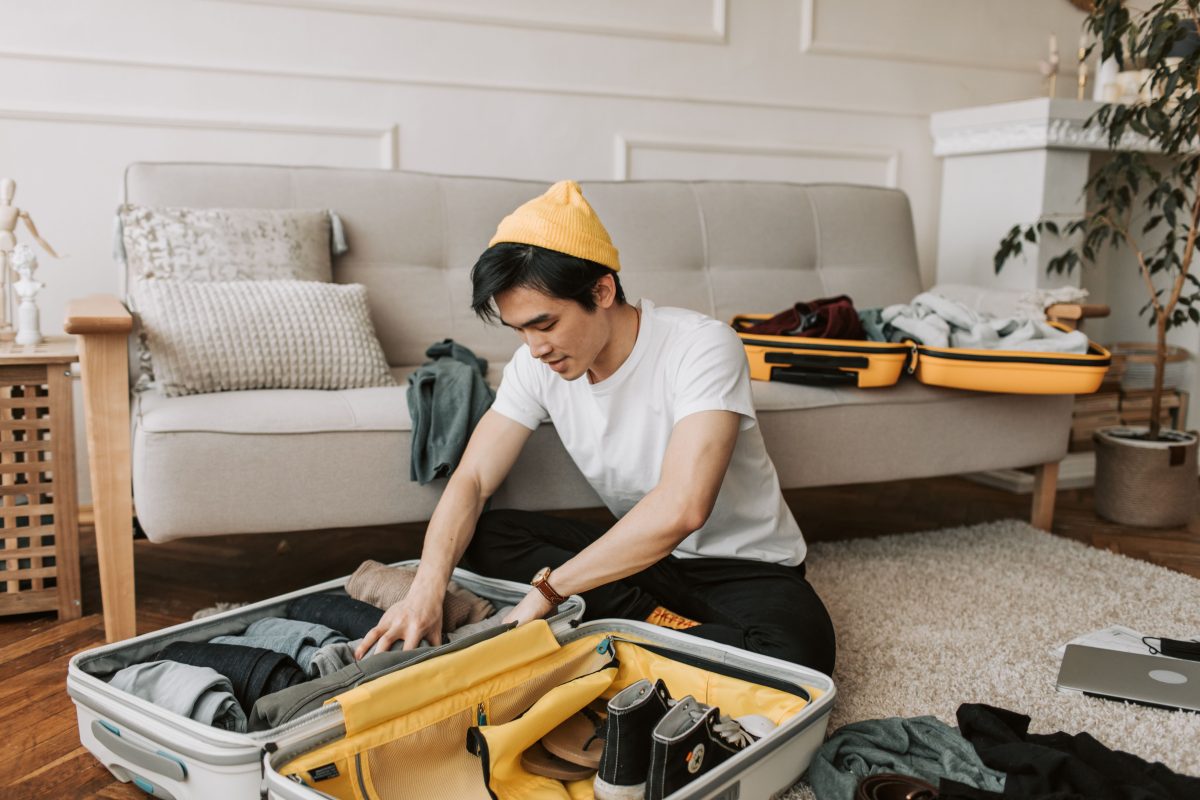
A weekend away should feel like a break, not a house move. Yet it is surprisingly easy to fill the trunk with clothes, shoes, coolers, toiletries and “just in case” items before a two-night trip.
For families heading to the Mississippi Gulf Coast, a campground, a ball tournament or somewhere along the Natchez Trace, too much luggage creates work at both ends of the journey. Every extra bag has to be carried, unpacked, repacked and brought home again.
That tension will sound familiar to local travelers. Writing about a Mississippi Gulf Coast getaway, The Clinton Courier’s Kara Kimbrough observed that “the thought of packing the car … can be overwhelming” (Kimbrough, 2025).
The solution isn’t to leave useful things behind. It is to make each item earn its space.
Start With the Trip You Are Actually Taking
One of the easiest ways to overpack is to prepare for imaginary versions of the weekend.
Before opening a suitcase, write down what you genuinely expect to do. A Friday evening arrival, Saturday outdoors, and Sunday morning drive home require a very different wardrobe from a wedding weekend or a camping trip.
Then check the forecast and your accommodations. A rental with towels, toiletries, laundry facilities, or a hair dryer immediately removes items from your packing list. A campground, on the other hand, may require more self-sufficiency.
Think about larger equipment the same way. Compact items are particularly useful when several people and their belongings have to share a vehicle. Outdoor brands such as Ozzi Gear focus on chairs and other gear designed to pack into smaller spaces, reflecting a useful principle for any short trip: bulky equipment should justify the room it occupies.
Pack Outfits, Not Individual Clothes
The “maybe I’ll wear it” pile is usually where a weekend bag gets out of control.
Instead, build a small group of clothes that work together. For a typical two-night casual trip, that may mean two daytime outfits, one evening option, sleepwear, underwear, and a light extra layer. Adjust the list for weather and planned activities.
Choose pieces that can be mixed rather than packing an unrelated outfit for every possible occasion. One pair of shorts or jeans that works with two shirts takes less room than three complete outfits.
Shoes deserve particular scrutiny because they are among the bulkiest things in a bag. Wear the largest pair while traveling when practical, then pack only the additional footwear you know you will need.
There is little benefit in squeezing a dozen outfits into a suitcase simply because they fit. Smart packing is about reducing decisions as much as reducing volume.
Give Every Bag a Job
Organization is easier when bags have clear purposes.
Rather than putting everything wherever there is space, use one main bag for clothing, a smaller toiletry bag and a day bag for things needed while traveling. Families can give each child a backpack for books, headphones, games, and other personal belongings.
AAA similarly recommends keeping children’s travel necessities together and notes that seatback organizers can keep frequently used items within easy reach (AAA Club Alliance, n.d.).
This approach also prevents a common roadside problem: opening the entire trunk because somebody needs a charger or sweatshirt.
Keep medications, identification, wallets, chargers, water and anything required during the journey accessible. Things needed only after arrival can go deeper in the vehicle.
Shrink the Toiletry Bag
Bathroom products can quietly consume a remarkable amount of space.
For a weekend, there is rarely a reason to pack full-size shampoo, conditioner, body wash and skin-care bottles. Use travel-size containers or take advantage of products supplied by your hotel or rental when you know they will be available.
Flying makes smaller containers more than a convenience. The Transportation Security Administration’s 3-1-1 rule generally limits liquids, gels, creams, aerosols, and pastes in carry-on luggage to containers of 3.4 ounces (100 milliliters) or less, placed in one quart-sized clear bag per passenger (Transportation Security Administration [TSA], 2023). Medically necessary liquids are subject to separate provisions.
Even on a road trip, applying the same discipline can keep a toiletry kit compact.
Don’t Confuse Packing Light With Packing Unprepared
There is one category where cutting back can be a false economy: safety equipment.
For a road trip, the National Highway Traffic Safety Administration recommends carrying a roadside emergency kit. Its suggested items include a phone and charger, first-aid supplies, flashlight, jumper cables, tire-pressure gauge, drinking water, nonperishable food and basic repair equipment (National Highway Traffic Safety Administration [NHTSA], n.d.).
NHTSA also advises motorists to check weather, traffic and road conditions before leaving and to review the route in advance, even when using GPS (NHTSA, n.d.).
That is an important distinction. An extra pair of shoes you probably will not wear is clutter. A charged phone, prescribed medication, or roadside kit is preparation.
Pack less where inconvenience is minor, not where a missing item could create a genuine problem.
Leave Some Empty Space
A suitcase packed to its absolute limit before departure rarely becomes easier to close on Sunday morning.
Leave a little unused capacity. Clothes are seldom folded quite as neatly on the journey home, and weekend trips have a habit of producing extras: a souvenir, wet swimsuits, children’s crafts, shopping or snacks purchased along the way.
A lightweight tote or laundry bag is useful for separating worn clothes without adding much bulk. It can also keep sandy beachwear or muddy outdoor clothing away from clean items.
For motorists, how the vehicle itself is packed also matters. AAA recommends securing luggage and oversized items so they don’t slide around, particularly when the cargo area is open to the passenger compartment (AAA Club Alliance, n.d.).
NHTSA likewise advises drivers not to overload vehicles or carry poorly secured cargo (NHTSA, n.d.).
Do a Final “Would I Miss It?” Check
Once everything is laid out, make one last pass before closing the bag.
Pick up each noncritical item and ask a simple question: If I left this at home, would it meaningfully affect the weekend?
If the answer is no, take it out.
This works particularly well for duplicate clothing, backup shoes, large entertainment items and products available at the destination. It is far easier to remove unnecessary belongings while standing in your bedroom than to regret carrying them through a hotel lobby.
Families can also keep a reusable master checklist for future weekends. Divide it into clothing, toiletries, children’s items, electronics, food, and safety gear. After each trip, delete what went unused and add anything genuinely missed. Over time, the list becomes specific to the way your family travels.
Conclusion
Packing smarter isn’t a competition to see who can survive with the smallest bag. The goal is to bring what makes a weekend comfortable without letting possessions take over the trip.
Plan around real activities, choose clothes that work together, limit bulky extras, and keep frequently used belongings accessible. At the same time, make room for the safety items that matter on the road.
The payoff is simple: fewer bags to load, less clutter to manage, and a quicker departure when Sunday comes around. For a two-night getaway, that can mean spending more of the weekend enjoying where you went instead of keeping track of everything you brought.
References
AAA Club Alliance. (n.d.). Get in the zone for easy road trip packing. The Extra Mile.
National Highway Traffic Safety Administration. (n.d.). Drive safe: Secure your load. U.S. Department of Transportation.
National Highway Traffic Safety Administration. (n.d.). Summer driving tips. U.S. Department of Transportation.
Transportation Security Administration. (2023). TSA travel tips. U.S. Department of Homeland Security.