A Beginner’s Guide To Trading Vocabulary
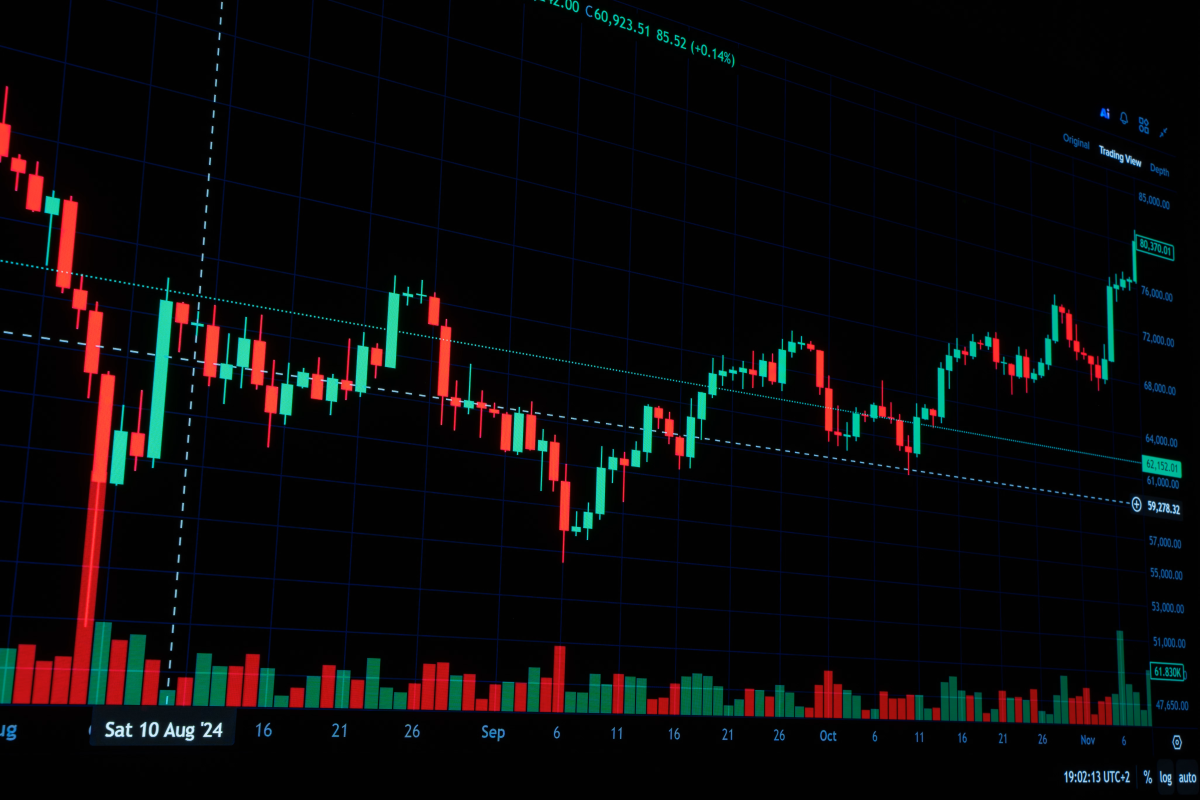
Some of the terms used in a trading screen might look like foreign words to you, especially if you are unfamiliar with them.
Words like spread, leverage, margin, pip, and lot are used all over trading platforms, but just knowing what these words mean does not help you understand their impact on your trade. Therefore, even the simplest trading information can be confusing if you are not yet familiar with each term.
The simpler way is to know the trading vocabulary in context.
Rather than memorizing a long list of definitions, tie each to its function and purpose in a trade. The information on a trading screen may be easier to follow once those connections are clearer, which can help you understand what you’re seeing prior to making decisions.
To make that easier, here’s a list of the most important trading terms to understand so you can see and enter what you want.
1. Start With Basic Market Language

A good starting point is with words that indicate prices and positions. The price that a buyer is willing to pay is called a bid, and the price at which a seller is willing to sell is called an ask. The spread is the difference between them. Each pip is an incremental change in the value of many currency pairs, and a lot refers to the number of units being traded.
You don’t have to remember all of the definitions at once. If a word is unfamiliar, a trading help center can quickly explain it. Match each word to its representation on a trading screen. It makes it easier to remember the vocabulary and get you ready to understand how orders work.
2. Learn the Main Types of Trading Orders

Once the market language has been mastered, the subsequent step is to understand how orders work. An order is a command to buy or sell an asset, and the order type dictates how the order is processed.
For instance, a market order is used to purchase or sell at the prevailing market price, while a limit order specifies the maximum price you’re willing to pay or the minimum price at which you’re willing to sell. A stop order, on the other hand, is only activated when a certain price level is reached.
Keep these three terms in mind:
- Market order: seeks execution at the market price.
- Limit order: sets a specific price.
- Stop order: activates after a specified price is reached.
Familiarizing yourself with these differences is crucial because sometimes the asked price and the executed price in the market can fluctuate. A stop order can execute at a price different from its stop price during volatile markets. Once these order types are understood, the next step is comprehending the money behind a position.
3. Understand Leverage, Margin, and Exposure
With order types covered, the next step is understanding leverage and margin, which determine how much capital supports a position.
Margin generally refers to funds required to support a leveraged position, while leverage allows a trader to control a larger position with less capital. Because leverage increases market exposure, it can also amplify gains and losses.
As market movements affect a leveraged position, they can also affect the account. A margin call can occur when required margin levels are no longer met. Meanwhile, equity reflects account value after unrealized gains or losses, while balance excludes those changes. Together, these terms explain how trading capital is affected.
4. Know Terms That Describe Trading Costs

Trading is about more than whether an asset goes up or down because trading costs can also affect your results. The difference between the buy and sell prices is the spread, and some trades may incur commissions or swap fees for holding onto a trade.
When checking trading costs, look at:
- Spread between prices.
- Any commissions that apply.
- Swap or financing costs.
These can cut down your returns; thus, it is important that you know these costs to see the true cost of a trade. These costs can still lessen the outcome of a trade even if it is in your favor. By checking them first, you will have a better understanding of what you are getting yourself into before taking a position.
5. Build Vocabulary for Risk and Position Management
Risk-related terms help you understand how traders plan around unfavorable price movements.
A stop-loss is an instruction designed to close a position when the market reaches a specified level. A take-profit order is used to close a position at a target. Volatility describes how much and how quickly prices move.
A few useful terms to remember:
- Position size: the amount of an asset or instrument being traded.
- Stop-loss: an instruction linked to an exit level.
- Take-profit: an instruction linked to a target.
- Volatility: the degree and speed of price movement.
As you learn these terms, connect each one to its purpose. That keeps the concepts from feeling like isolated definitions. By this point, the pieces fit together: market terms explain prices, order terms explain instructions, cost terms explain expenses, and risk terms explain position management.
Conclusion
Trading vocabulary becomes easier when you stop treating each term as an isolated definition.
Start with basic market language, then connect those terms to orders, leverage, costs, and risk. This approach gives you a clearer picture of how different parts of a trade relate. Keep checking unfamiliar words in context as you continue learning, rather than trying to remember everything at once. Most importantly, remember that understanding a term is different from deciding whether a trade suits you.
A stronger vocabulary does not remove market risk, but it gives you a foundation for understanding information, asking better questions, and continuing your education with greater clarity and confidence.