Breeders’ Cup Odds: Form, Post Position and Other Factors Bettors Should Watch
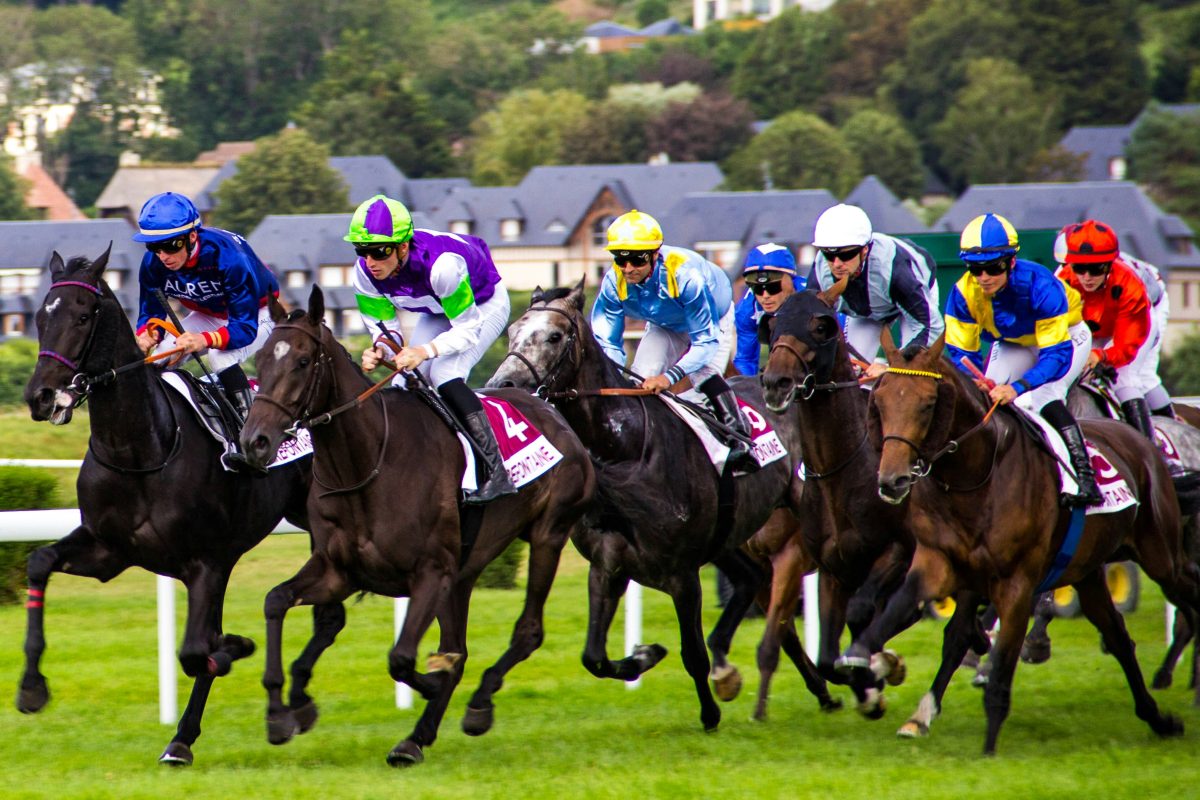
The Breeders’ Cup brings together many of the best horses in the world, but finding the strongest contender involves more than scanning the shortest price on the board. Recent form, post position, pace, surface preference and race-day conditions can all change how a horse should be viewed.
The 2026 Breeders’ Cup World Championships take place at Keeneland on October 30 and 31, featuring 14 Grade 1 races across two days.
The final fields and post positions aren’t set yet. The official pre-entry deadline is October 19, with post times and race order due to be announced October 21. That leaves bettors time to digest the important information still to come.
Recent Form Still Comes First
A horse’s latest finish matters, but the number beside its name rarely tells the entire story. A narrow defeat against elite opposition may be more encouraging than an easy victory against a weaker field.
The more useful analysis looks at how the performance unfolded. A strong finish after being held up, a wide trip around the turn, or the ability to respond when challenged can all add important context to the result. A runner finishing second after overcoming a difficult trip may have produced a stronger performance than the placing alone suggests.
October provides invaluable evidence because Keeneland’s Fall Meet runs from October 2 through October 24 and features 22 stakes worth $10.7 million. Eight are part of the Breeders’ Cup “Win and You’re In” series, offering eligible winners automatic starting positions in designated championship races.
The opening weekend has already begun producing championship qualifiers. Emphatic secured a Breeders’ Cup place by winning the Grade 1 Darley Alcibiades on October 2 after making the running and holding off multiple challenges.
Post Position Can Change the Race
The starting gate can look like a small detail until 12 or 14 horses are trying to reach the same first turn.
An inside post can allow a runner to save ground, but it can also leave a horse trapped behind rivals if the early pace becomes crowded. A wide draw offers more room but may force a horse to cover extra ground or use valuable speed simply to find a position.
Distance matters too. A horse in a longer race has more time to recover from an awkward start or wide trip than a runner in a short sprint, where a few lost lengths can be costly.
Keeneland’s championship schedule includes races ranging from the 5½-furlong Juvenile Turf Sprint to longer dirt and turf contests, so post position won’t carry the same weight in every event.
The final Breeders’ Cup draws haven’t been announced, making this one of the most important pieces of information still to come. A horse that looks attractive today may face a more complicated tactical assignment once its starting gate is known.
Pace Can Make a Favorite Vulnerable
Race shape is where handicapping becomes less about evaluating one horse and more about evaluating how the whole field fits together.
A front-runner wants to establish position early. A stalker typically sits just behind the speed, while a closer prefers to conserve energy before producing a late run. Those styles can either complement or clash with one another.
Several aggressive front-runners in the same race can create an uncomfortable early pace, potentially helping horses that finish strongly. A lone speed horse may face much less pressure and conserve more energy for the stretch.
Large fields add another complication. Closers can encounter traffic, while horses drawn wide may need to decide between losing ground and pushing forward sooner than ideal.
That’s why current Breeders’ Cup odds on FanDuel are most useful when read alongside likely race shape. A short price can reflect reputation and recent results, but it doesn’t erase tactical questions about where a horse will sit or how much early pressure it may face.
Surface and Distance Can Expose Weaknesses
Strong overall form doesn’t automatically translate to every Breeders’ Cup race.
Dirt and turf often reward different qualities, while sprinting and route racing place different demands on speed and stamina. The 2026 championships include events across both surfaces and a wide range of distances.
A horse stepping up in distance may have looked dominant over shorter trips but still need to prove it can sustain that effort. A runner cutting back may possess stamina but lack the early speed required to stay close enough to the leaders.
Surface switches deserve just as much attention. Turf form shouldn’t automatically be treated as evidence of dirt ability, or vice versa.
Previous performances under similar conditions are often more informative than a horse’s most recent result alone. Proven effectiveness over the relevant trip and surface can remove one layer of uncertainty before championship weekend.
Trainers, Jockeys and Preparation Still Matter
The horse supplies the talent, but the people around it still shape the outcome.
Trainers must decide when to race, when to rest and whether a final prep is necessary. Some horses arrive at the Breeders’ Cup off a recent start, while others are given a longer gap to recover and train toward the championship.
Jockey familiarity can matter in crowded fields. Knowing whether a horse settles comfortably behind runners, prefers clear space or responds quickly when asked for an effort can influence split-second decisions.
Keeneland’s October schedule also gives teams based locally an opportunity to train and race over the same venue before the Breeders’ Cup. The track’s 17-day Fall Meet continues through October 24, only six days before championship weekend begins.
International preparation brings different challenges. The 2026 Breeders’ Cup offers travel awards of $40,000 for international starters and $10,000 for North American starters based outside Kentucky.
Travel doesn’t automatically weaken a horse’s chance, but adapting smoothly to a new environment remains part of the preparation puzzle.
Track Conditions Could Change Everything
Weather is one of the last variables bettors may learn.
A horse proven on fast dirt may look less convincing if significant rain changes the surface. Turf runners can also react differently when the ground becomes softer than expected.
Track condition can influence pace as well. Some surfaces reward horses racing prominently, while others make it easier for runners to close from farther back.
Earlier races on the Breeders’ Cup card can provide clues. If horses near the rail are repeatedly struggling or front-runners keep carrying their speed, that pattern may be worth noting before later championship races.
The Best Read Comes From Combining the Clues
No single factor should decide every Breeders’ Cup selection. Recent form may make one horse appealing, only for a difficult draw to complicate the picture. Another runner may lack the same headline résumé but bring proven form over the right surface and distance, along with a more favorable pace setup.
The strongest handicapping usually comes from combining those clues rather than chasing one statistic. By the time the gates open at Keeneland, the best-prepared bettors won’t just know who the favorites are. They’ll understand why each horse’s chances have changed.
Read more: Why the Forego Stakes Is One of Saratoga’s Key Sprint Races for Bettors
Read more: The Triple Crown Journey: How the Preakness Stakes Impacts the Series
Read more: Preakness Stakes 2025: Everything You Need to Know